Table of Contents
Cleaning takes longer when dirt lands on surfaces you have already finished or a product leaves residue you must remove again. A better routine starts with the right order, the right amount of cleaner, and instructions suited to the surface.
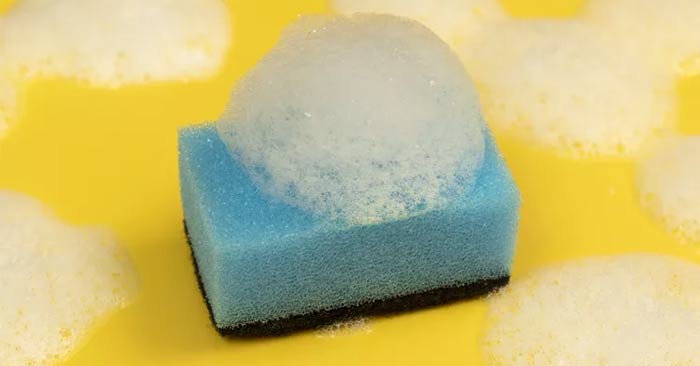
1. Cleaning lower surfaces first
Work from higher surfaces toward lower ones so falling dust does not undo your work. Dust shelves before wiping the counter below them, and clean the floor last. In a bathroom, address wall surfaces before giving the tub or shower base its final rinse.
Prepare the cloths and products before starting. This also gives you a chance to separate bathroom tools from those used on food-preparation surfaces.
2. Using too much product
Extra cleaner can leave sticky or dull residue and increase rinsing time. Follow the label's dilution and application directions. More concentrated is not automatically more effective, and some finishes can be damaged by an unsuitable product.
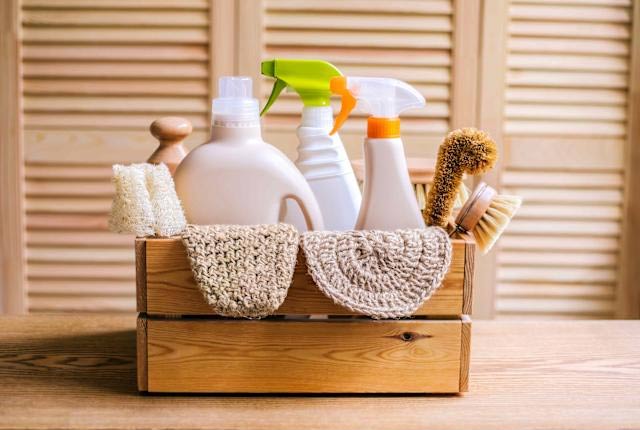
3. Ignoring the product’s working time
A cleaner may need time to loosen a deposit, while a disinfectant has a specified contact time. Follow the actual label rather than a universal “leave it for a few minutes” rule. Some products or surfaces require prompt rinsing and should not be left to dry.
For disinfection, the surface must remain wet for the stated contact time. The CDC's home-cleaning guidance also explains safe use and ventilation. Never mix cleaning chemicals to make a stronger solution.
4. Moving dust instead of collecting it
Use a clean microfiber cloth or a lightly dampened cloth where the surface permits. Fold it to expose a clean section as you work. Shake-out dusting can send particles elsewhere and create another task.
There is no need for a fixed 20-minute pause between every dusting and floor-cleaning job. Focus on collecting dust effectively, then vacuum or mop after the higher surfaces are finished.
5. Scrubbing dried food before loosening it
For cookware that allows soaking, let the pan cool and use warm water with the recommended detergent to loosen dried food. Then use a suitable non-scratch tool. Check the care instructions first: prolonged soaking is inappropriate for some materials, coatings, handles, and seasoned cookware.
Do not pour cold water into a very hot pan or boil a detergent mixture as a generic cleaning shortcut. Use the cookware manufacturer's method for stubborn burnt deposits.
6. Using the same method on every material
A product that works on ceramic tile may be unsuitable for natural stone, wood, or a screen coating. Test an inconspicuous area if the care instructions recommend it, and stop if the finish changes.
Electronics need their own approach too. For example, cleaning a headphone housing is not permission to introduce liquid into openings. Follow the device manufacturer's instructions and use only the amount of moisture it permits.
Related Articles
 15 habits of wasting time need to be removed immediately
 Top 10 habits to waste time to eliminate
 The biggest time wasting cleaning mistakes
 Places you shouldn't waste time cleaning regularly
 There are only 25,000 mornings in life, here are 8 ways to not waste another day
 The truth about recycling e-waste and its effectiveness
Reader Comments 0
Sign in with email or Google to join the discussion.