Table of Contents
This guide provides a clear, practical overview of steps to resize start menu on Windows 10, with useful context, important details, and straightforward takeaways for everyday readers.
1. How to manually resize the Start Menu on Windows 10
On Windows 10, you can optionally change the size of the Start Menu vertically and horizontally to suit the needs of each person. To change the size of the Start Menu, you just need to do the following:
Step 1: Please press the Windows button on the keyboard or the Start icon on the screen to open the Start Menu.
Step 2: Then, move your mouse to the top border of the Start Menu to display a double-headed arrow. Now, just hold the mouse and drag them to resize the Start Menu.
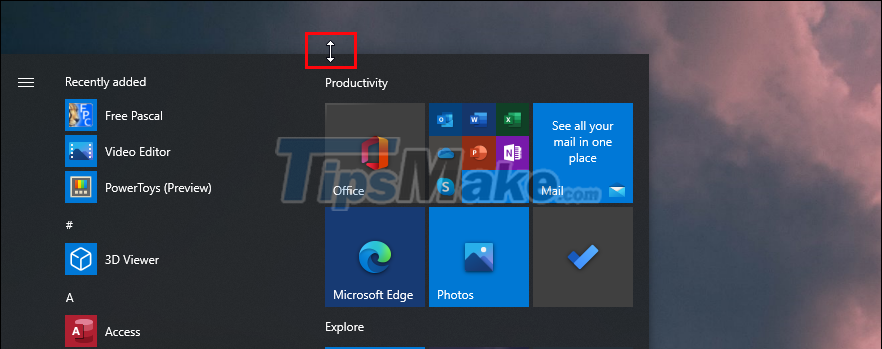
Step 3: For the width of the Start Menu, you also do the same to change the size.
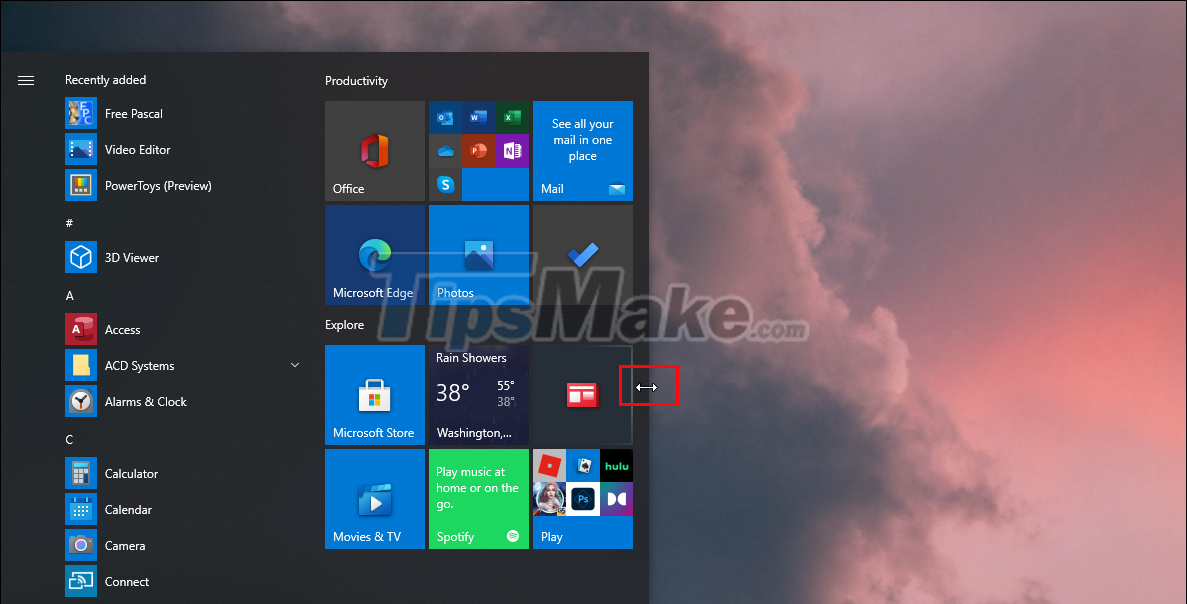
Step 4: When increasing the width of the Start Menu, the suggested applications will be rearranged into 02 columns and each column will have 03 small horizontal cells. When changing the size of the horizontal, pay attention to the best division of cells.

Step 5: When you want to resize both sides of the Start Menu at the same time, you just need to move the mouse pointer to the corner of the Start Menu and drag them.

Step 6: After resizing the Start Menu is complete, the system will automatically save it for the next use, you do not need any more operations.
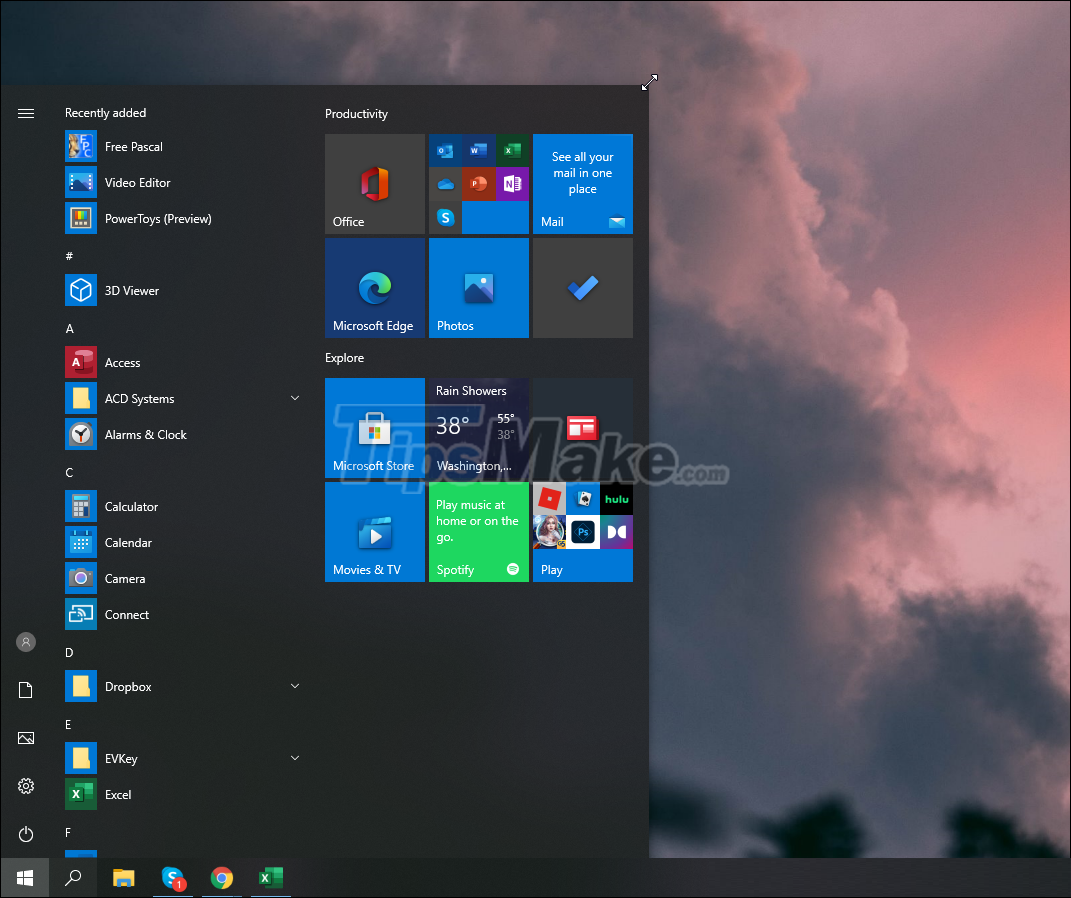
2. How to Enlarge the Start Menu to Full Screen
In How to manually resize the Start Menu, you can easily see that they are limited in size. That way only allows you to expand the Start Menu to 3/4 of the screen and cannot be larger. To enlarge the Start Menu to full screen, you will have to tweak it in Windows Settings.
Step 1 : Open Settings on Windows by pressing Windows + I combination .
Step 2: Then, you select the Personalization item to change the personal interface.
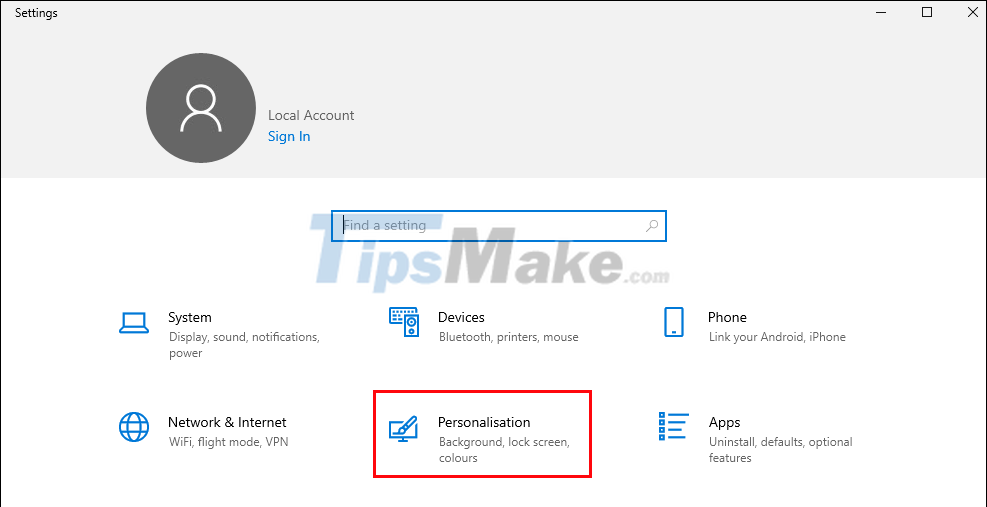
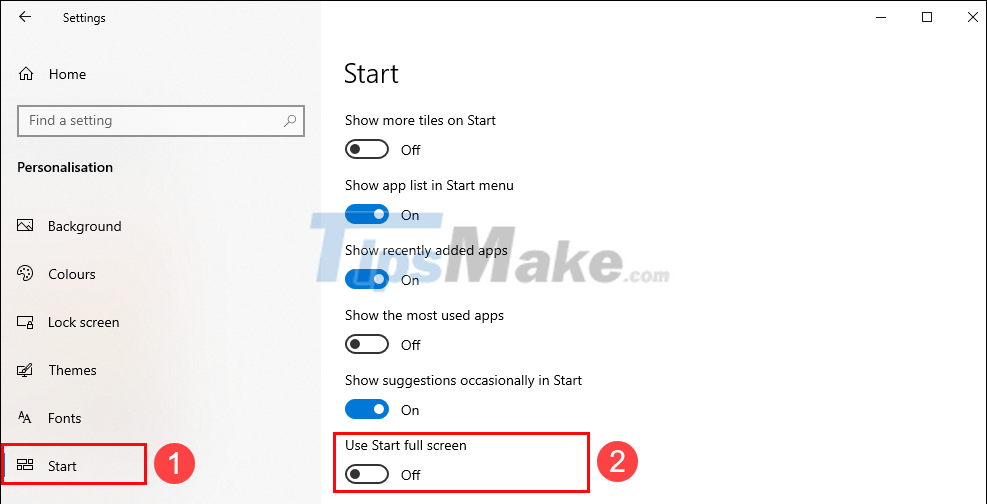
Step 3: Next, select the Start tab (1) and select Use Start full screen (2) to activate the Start Menu to full screen.
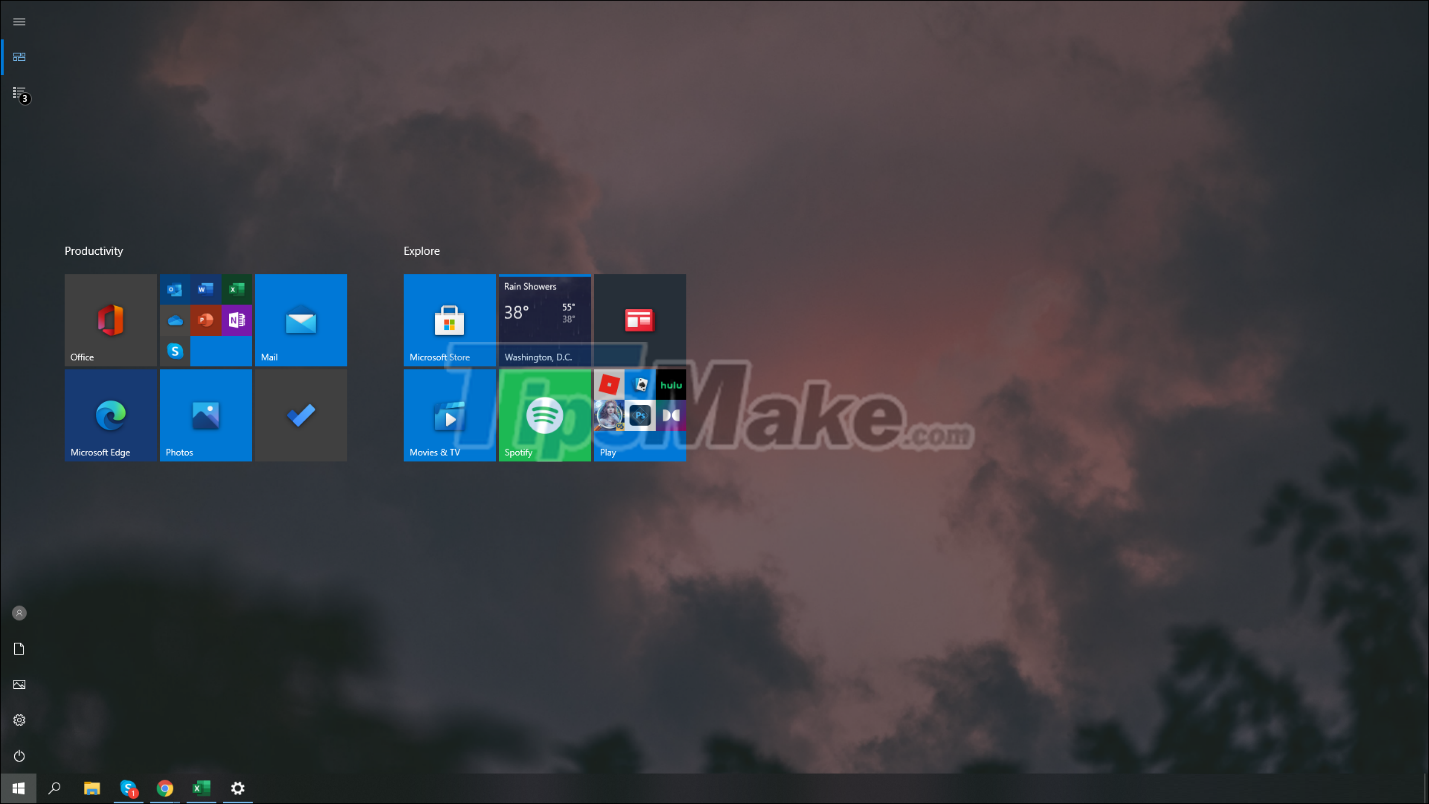
Step 4: Now, the Windows Start Menu will display full screen instead of displaying a corner as before.
In this article, TipsMake has shown you how to change the size of the Start Menu on Windows 10 quickly and effectively. Have a nice day!
Key Takeaways
Use the information above as a practical reference for steps to resize start menu on Windows 10. Review each step carefully, confirm any requirements, and choose the option that best fits your situation.
FAQ
What does this guide explain about Steps to Resize Start Menu on Windows 10?
It explains the main concepts, practical considerations, and useful steps related to steps to resize start menu on Windows 10 without requiring advanced knowledge.
Who can benefit from learning about Steps to Resize Start Menu on Windows 10?
This information is useful for readers who want a clear overview, practical guidance, and reliable steps related to steps to resize start menu on Windows 10.
What should I check before applying this information?
Review the requirements, confirm that your device, software, or situation matches the instructions, and back up important data before making major changes.
Related Articles
 How to Resize the Start Menu in Windows 104 minutes read
 3 Ways to Fix Start Menu on Windows 10 Stopped Working5 minutes read
 Windows 11 Is Hiding a Second Start Menu: Why Should You Use It?8 minutes read
 Instructions to Transfer Windows 11 Start Menu to Windows 104 minutes read
 How to Pin Any File to Start Menu on Windows 103 minutes read
 How to Use the Windows 10 Start Menu7 minutes read
Reader Comments 0
Sign in with email or Google to join the discussion.