Table of Contents
This guide provides a clear, practical overview of steps to hide the inserted sound icon in PowerPoint, with useful context, important details, and straightforward takeaways for everyday readers.
Instructions to hide the sound icon in PowerPoint
Step 1:
First, you insert audio into the presentation slide as usual. To see how to insert audio into PowerPoint, please refer to the article below.
Step 2:
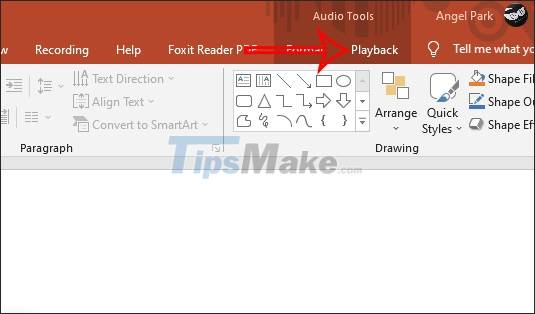
Then click on the audio icon inserted in the slide and then look at the toolbar and click on the Playback item.
Step 3:
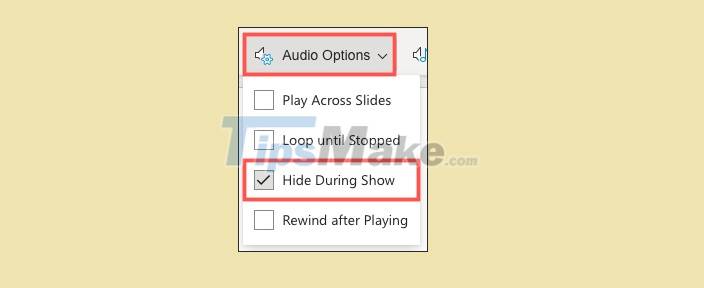
Now show more options below, select Hide During Show in the Audio Options management group to hide this icon when presenting slides.
So when you present the slide will not display the sound icon in the slide as before.

In case you use the web-based version of Microsoft PowerPoint, also click on the audio icon inserted in the slide then look up at the Audio section, then in the Audio Options section click on the drop-down arrow icon and also tick Hide. During Show is okay.
Key Takeaways
Use the information above as a practical reference for steps to hide the inserted sound icon in PowerPoint. Review each step carefully, confirm any requirements, and choose the option that best fits your situation.
FAQ
What does this guide explain about Steps to Hide the Inserted Sound Icon in PowerPoint?
It explains the main concepts, practical considerations, and useful steps related to steps to hide the inserted sound icon in PowerPoint without requiring advanced knowledge.
Who can benefit from learning about Steps to Hide the Inserted Sound Icon in PowerPoint?
This information is useful for readers who want a clear overview, practical guidance, and reliable steps related to steps to hide the inserted sound icon in PowerPoint.
What should I check before applying this information?
Review the requirements, confirm that your device, software, or situation matches the instructions, and back up important data before making major changes.
Related Articles
 Fixed a Bug with the Speaker Icon with a Red X, the Computer Has6 minutes read
 How to Delete / Hide the Language Icon on the Windows 10 Taskbar4 minutes read
 How to Hide and Show the Bluetooth Icon on the Windows Taskbar4 minutes read
 How to Turn Off, Turn on, Hide, Icon Icon on the Taskbar in Windows 102 minutes read
 PowerPoint 2016: How to Insert Sound into PowerPoint: What You Need to Know8 minutes read
 How to Hide Icons on Windows 11 Desktop?4 minutes read
Reader Comments 0
Sign in with email or Google to join the discussion.