Table of Contents
This updated guide examines Share Your Password: Share Passwords -- Small, Dangerous Jobs and organizes the essential facts, background, and practical takeaways in clear American English.
Responsible-use note: Apply security techniques only to systems you own or are explicitly authorized to test.
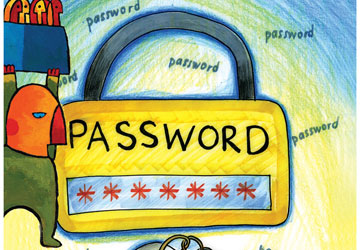
BitDefender experts have shown that women are more likely to share passwords with friends than men. 42% of women interviewed admitted this, compared to only 28% in men. While 78% of respondents use passwords to protect their laptops, only 50% conduct similar security measures with mobile phones. Men have better security than women, with 81% of men aged 18-25 setting passwords to protect their devices, compared with 74% of women. BitDefender said web users aged 18-25 are aware of the need to use different passwords on different social networks, with 72% of British students acknowledging that they have done this. However, the information security measures are not strictly applied, indicating that 1 in 10 students admitted to having downloaded viruses from social networks. The main reason is to encounter strange links, hot topics from friends, curiosity and click. According to USA Today's calculations, as many as 50% of current Internet users have at least one account on a social networking site. Three-quarters of these users are between the ages of 18 and 24. Research by the Pew Research Center shows that: 89% of these people use social networking sites to keep in touch with friends, 57% use Use these pages to plan with friends and 49% to make friends. These shared, open and interactive goals cause many young people to not yet respect the safety of personal information, which is very easy to become a 'reactionary' threat when you graduate and start working.. And above all, even if teenagers are interested in protecting their computers one way or another, the most worrisome statistics are the easy way to share passwords. The experts BitDefender described, like you closed all the main doors, all the windows in the house, but then forgot the back door, and the storm kept pouring into the house. Another study conducted by Pew Research found that: 40% of users allow people to access their profile freely. 60% of users restrict access to friends, family or colleagues. Sharing personal information with strangers is dangerous and BitDefender recommends that users list a list of things that should not be shared on social networks, like the following 10 things: - Personal conversations - Social plans - Other contacts related to family and work - Information about your business - Photos of children in the family - Home address and phone number - Personal financial information - Password - Questions suggest password identification - Any other information you don't want anyone to know.
FAQ
What is Share Your Password: Share Passwords -- Small, Dangerous Jobs about?
It provides a structured overview of Share your password, explains the main context, and highlights practical takeaways for readers.
Why does this topic matter?
Understanding the main concepts helps readers evaluate the issue, avoid common mistakes, and make better-informed decisions.
How should readers use this information?
Use the guidance as a practical starting point, confirm details that may have changed, and follow current product, safety, or security recommendations.
Related Articles
 How to Share Passwords on iPhone / iPad with Airdrop5 minutes read
 4 Easiest and Quickest Ways to Share Wi - Fi Password8 minutes read
 Jobs at Risk of Being Eliminated by AI in the Future: Complete Guide7 minutes read
 Recover Passwords with Free Utilities (Part 1)5 minutes read
 Microsoft Warns of the Dangerous Usage Habits of Millions of3 minutes read
 How to Share Wi-Fi Password on iPhone3 minutes read
Reader Comments 0
Sign in with email or Google to join the discussion.