Table of Contents
MOCHI is a new transparent insulation material that helps reduce heat loss through windows and saves energy effectively.
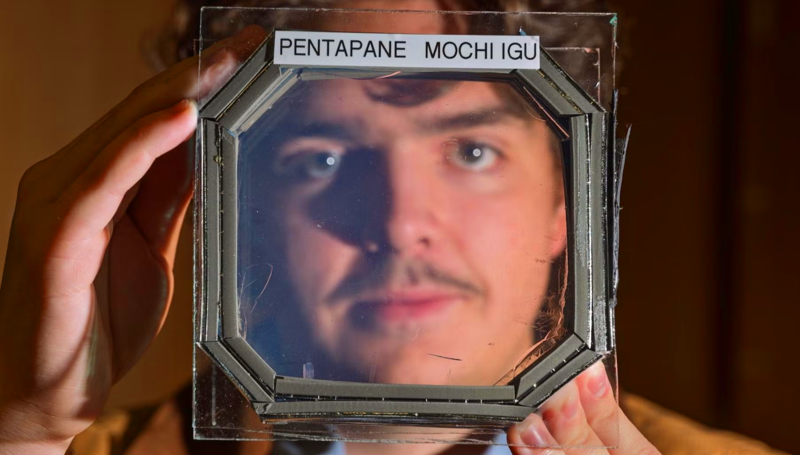
The new material is officially called Mesoporous Optically Clear Heat Insulator, abbreviated as MOCHI. MOCHI can be produced as thick blocks or thin, flexible sheets, and can be directly attached to the inside of conventional windows. Currently, MOCHI is only produced in the laboratory and is not yet commercially available, but researchers say it is durable, strong, and almost completely transparent.
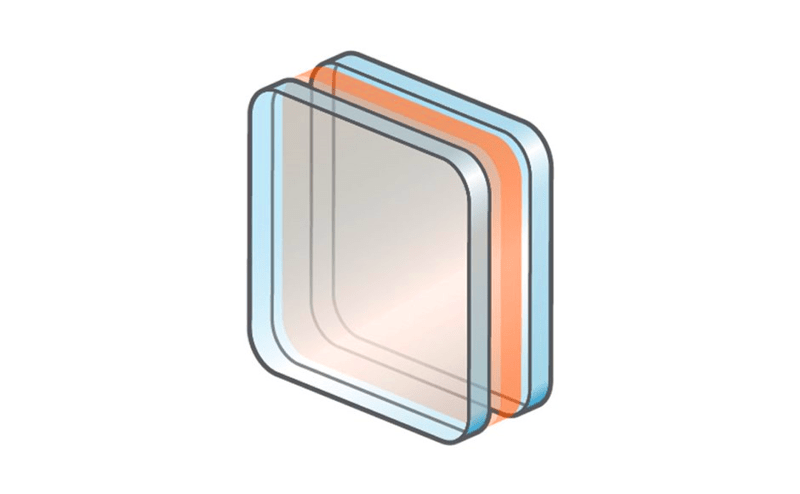
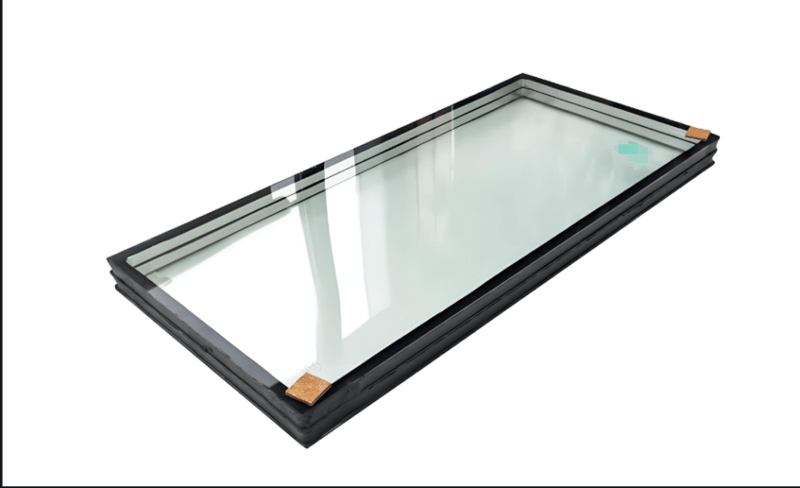
Thanks to its high transparency, MOCHI does not obstruct the view, which sets it apart from many other window insulation products on the market.
This research was published on December 11 in the scientific journal Science.
Why is heat loss through windows important?
Buildings, from houses to office towers, account for approximately 40% of total global energy consumption . A large portion of this energy is wasted as heat escapes in winter or heat from the outside enters on hot days .
Smalyukh and colleagues hope that MOCHI can slow down this unwanted heat exchange process .
MOCHI is a type of silicone-based gel with an extremely complex internal structure. Inside, air is trapped in tiny pores , much thinner than a human hair. These tiny air pockets are what make MOCHI an extremely effective heat insulator . In fact, a sheet of MOCHI just 5 mm thick is enough to safely hold a flame close to it .
How does MOCHI control light and heat?
According to Smalyukh, MOCHI's secret lies in the precise arrangement of the airbags.
This material is similar to aerogel – a well-known insulating material used in many industries (NASA uses aerogel in its Mars rovers to keep electronic equipment warm). Aerogel also contains air pores, but these are usually arranged randomly, causing light to scatter. Therefore, aerogel often appears opaque, sometimes referred to as 'frozen smoke'.
The research team at CU Boulder wanted to create a material that was both a good insulator and maintained high transparency.
To create mochi, scientists mix surfactant molecules with a liquid mixture. These molecules then assemble themselves into tiny, fibrous structures, similar to how oil and vinegar separate in salad dressing. Silicone molecules in the mixture then adhere to the surface of these tiny fibers.
After several controlled processing steps, the researchers removed the clusters of detergent, replacing them with air. The result is a silicone framework surrounding a network of microscopic air channels. Smalyukh likened this structure to a 'plumber's nightmare' because it's so complex. Air makes up more than 90% of MOCHI's volume.
Molecular-level heat blocking
Heat transfer through gas is like a chain reaction in billiards . When energy is present, the gas molecules move faster and collide with each other, thereby transferring heat.
In MOCHI, the air pores are so small that the gas molecules cannot collide freely . Instead, they constantly bump against the silicone walls , preventing heat from dissipating easily.
"The molecules don't have a chance to freely collide with each other to exchange energy,"
Smalyukh explains.
"Instead, they collide with the walls of the void."
Despite its strong heat-blocking capabilities, MOCHI only reflects about 0.2% of the light that hits it , allowing almost all visible light to pass through .
Potential and future applications of MOCHI
Researchers envision numerous applications for a transparent yet heat-retaining material. One idea is to create a device that harvests heat from sunlight and converts it into a sustainable, low-cost energy source .
"Even on cloudy days, you can still generate a lot of energy for heating water or warming the space inside your house,"
Smalyukh said.
Currently, MOCHI is not ready for commercialization because the laboratory production process is still time-consuming. However, Smalyukh believes that a more efficient production method can be developed in the future. The ingredients that make up MOCHI are relatively inexpensive , opening up the potential for long-term scaling.
At the present time, MOCHI's future remains very promising - much like the clear view through a window covered with this material .
FAQ
What should you know about new transparent window materials may offer better insulation than walls?
MOCHI is a new transparent insulation material that helps reduce heat loss through windows and saves energy effectively.
Why is heat loss through windows important?
Buildings, from houses to office towers, account for approximately 40% of total global energy consumption.
How does MOCHI control light and heat?
According to Smalyukh, MOCHI's secret lies in the precise arrangement of the airbags. This material is similar to aerogel – a well-known insulating material used in many industries (NASA uses aerogel in its Mars rovers to keep electronic equipment warm).
Related Articles
 Nanowood White Materials Promise Special Insulation4 minutes read
 Holding a 1,200 Degree Celsius Brick with Your Bare Hands3 minutes read
 Simple and Effective Way to Treat Moldy Walls: Main Insights5 minutes read
 100-inch Transparent TV as Thin as Hair, Super Sharp Image, 1/103 minutes read
 Watch Your Eyes on the Talented Graffiti Artist Turn Ugly2 minutes read
 How to Create Transparent Background Mode on Windows 105 minutes read
Reader Comments 0
Sign in with email or Google to join the discussion.