Table of Contents
Explore microplastic Particles Found in Antarctic Snow for the First Time, including key concepts, practical steps, useful tips, and common questions.
Microplastic Particles Found in Antarctic Snow for the First Time: Overview
Previously, data on Antarctic snow showed virtually no trace of microplastics, although they have been found in deep-sea sediments, marine sediments, the sea, and the region's surface waters.
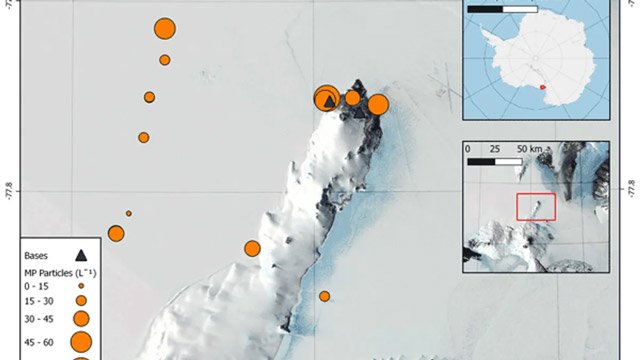
The study, published in The Cryosphere, a journal of the European Geosciences Union, states: "The impact of microplastics on remote areas like Antarctica is enormous. Antarctic organisms have adapted to harsh environmental conditions for millions of years, and rapid environmental changes are threatening the unique ecosystems there."
Researchers collected 19 samples between November 30 and December 2, 2019, across locations on Ross Island, Antarctica. Six samples came from locations near research stations, and 13 from "remote, less human-inhabited sites."
The suspected microplastic particles were chemically identified at a laboratory in New Zealand. Microplastics were found in all samples, with a total of 109 particles confirmed across 19 field samples.
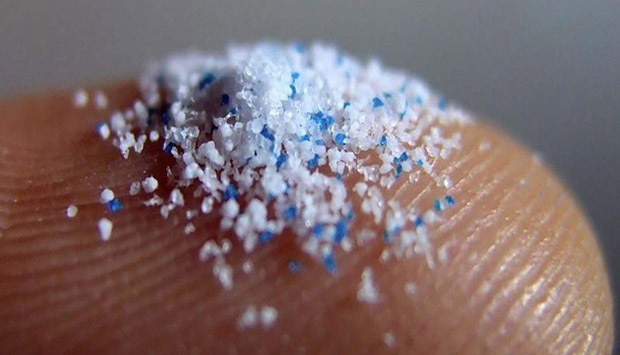
The study states: "Microplastics can accelerate the melting of permafrost when they appear on ice and snow in high-altitude or polar regions." "They can also further impact the climate by acting as ice nuclei in the atmosphere."
High-altitude predators including gentoo penguins, adélie penguins, chinstrap penguins, and king penguins have also been found to have microplastics in their food. The impact of pollution also puts emperor penguins at risk, with current models predicting their populations will decline by 81% by 2100.
For most samples, the most likely short-term source of microplastic particles is from northerly winds blowing over local bases. But the wind trajectories don't pass over any manned research stations, so the microplastics could be blown from nearby seas into the snow.
The study also stated: 'Specifically, the average concentrations of microplastic particles found in this study were higher than those in the surrounding Ross Sea and the concentrations reported in the ice of the East Antarctic Sea.'
FAQ
What should you know about microplastic particles found in antarctic snow for the first time?
Explore microplastic Particles Found in Antarctic Snow for the First Time, including key concepts, practical steps, useful tips, and common questions.
Do the steps or features vary by device or software version?
They can. Menu names, available settings, and compatibility may differ by device, region, account type, or software version, so check the options shown on your own screen.
What should you do if the recommended method does not work?
Repeat the steps in order, confirm that the requirements are met, and restart the relevant app or device when appropriate. Also check for updates and review any error message before trying again.
Related Articles
 Chewing Gum Can Release Thousands of Microplastic Particles into Saliva5 minutes read
 New Research Points to Serious Health Risks of Microplastics4 minutes read
 Scientists Discover What's Left of the Oldest Antarctic Creature3 minutes read
 Is the Antarctic Once Covered by Lush Subtropical Forests?4 minutes read
 Why Are the Antarctic Glaciers in France Interested in by Scientists?5 minutes read
 How to Buy a Desktop Computer10 minutes read
Reader Comments 0
Sign in with email or Google to join the discussion.