Table of Contents
Explore researchers develop rechargeable lithium batteries, including the key concepts, practical examples, important considerations, and useful guidance.
- "Dissecting" lithium batteries to understand the cause of fires and explosions caused by power banks?
Creating more durable batteries was the initial goal
The researchers weren't aiming to figure out how to recharge lithium batteries. That was just a fun byproduct of the original research – creating more durable batteries. Of course, everyone would wholeheartedly support a battery that could outlast their device. But, being both rechargeable and having a longer lifespan is even better. A few years ago, researchers developed a copolymer to help batteries last longer.
It all began with studying how and why lithium batteries degrade over time. As the electrodes fragment after multiple recharge cycles, the lithium in the battery becomes isolated, reducing the battery's capacity. Over time, the components break down to the point where they are unusable in the current battery.
That's where battery recycling comes in handy. Many components can be reused in new batteries, helping to reduce overall costs.
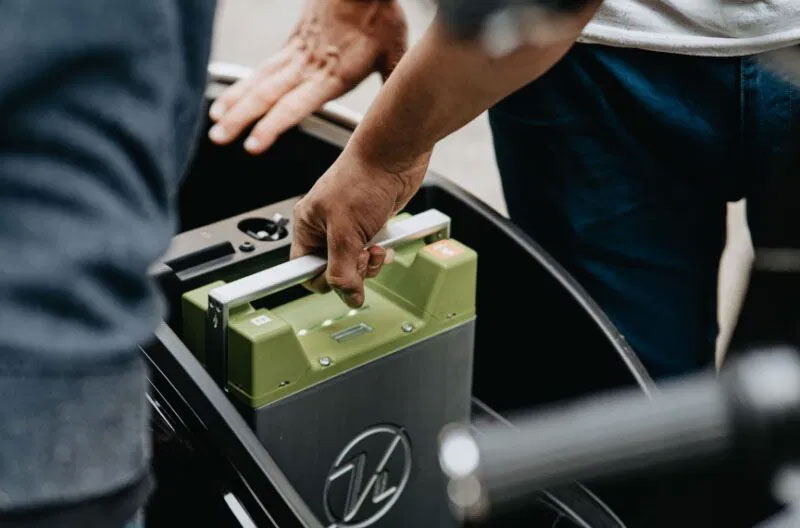
Researchers began exploring materials that could contain more lithium, but current manufacturing processes require lithium to be present in the material before the battery can be produced.
The goal is to find ways to use different electrode materials that can be charged with lithium after the battery manufacturing process. These electrodes cannot properly store lithium before manufacturing, but can only store it afterward.
Perfect Lithium Chemicals
Finally, the researchers discovered the perfect chemical that met all the necessary criteria for a stable battery – LiSO₂CF₃ . They produced a lithium-free battery and then filled it with the LiSO₂CF₃ solution . After removing the exhaust gases, they were able to seal it and use it normally.
The logical next step: Let's see what happens when you use the chemicals in existing batteries. They used a lithium-iron phosphate battery that had lost 15% of its capacity. The results were amazing: A rechargeable lithium battery regained 99%.
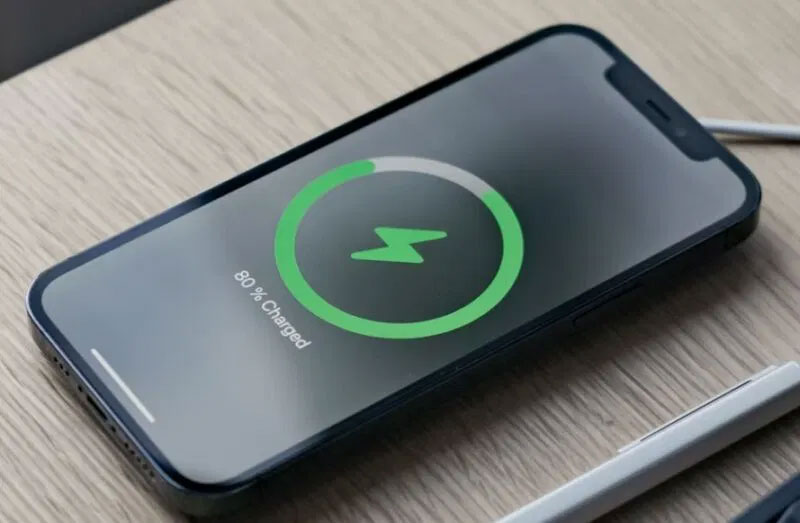
Subsequent tests maintained the battery at 96% capacity after more than 12,000 charge cycles, although researchers had to recharge the battery periodically.
Clearly, this is just preliminary research on rechargeable lithium batteries. And this research is primarily focused on larger, stationary batteries. However, this could change the future of the lithium battery manufacturing industry, along with making it much easier to extend battery life.
What benefits could this offer beyond larger industrial batteries? Instead of buying new batteries for your electric vehicle, you could simply recharge them, saving hundreds or even thousands of dollars.
In addition, many devices that rely on lithium batteries can last much longer, especially those with non-removable batteries.
But all of that is for the future. For now, you just need to use some optimization tips to keep your device lasting longer. Try these methods to make your iPhone battery last for years. For Android users, see why charging only to 80% keeps the battery healthy. You can even optimize your Windows laptop battery.
Final Thoughts
Understanding researchers develop rechargeable lithium batteries makes it easier to evaluate the information and apply the most relevant recommendations. Focus on the key points above and verify details that may change over time.
FAQ
What is researchers develop rechargeable lithium batteries?
Explore researchers develop rechargeable lithium batteries, including the key concepts, practical examples, important considerations, and useful guidance.
What key points does this article cover?
The article focuses on Creating more durable batteries was the initial goal, Perfect Lithium Chemicals, with practical explanations and examples.
How can you use this information in practice?
Use the explanations to compare options, verify important details, and make a more informed decision. Apply the recommendations that best match your goals and situation.
Related Articles
 Toshiba Accelerated Production of Ultra-fast Rechargeable Laptop4 minutes read
 New Technology Helps Prevent Smartphone Batteries from Catching and Exploding4 minutes read
 New Materials for Lithium-ion Batteries Can Double the Distance for Electric Vehicles4 minutes read
 Future Notebook Batteries Will Be Made From. .. Polymer5 minutes read
 Successful Development of a New Ultra-thin and Lightweight Lithium-sulfur Battery5 minutes read
 Lithium-Sulfur Batteries Will Help Smartphones Work Longer4 minutes read
Reader Comments 0
Sign in with email or Google to join the discussion.