Table of Contents
This updated guide examines Learn About Firewalls, Windows Firewall on Windows Server 2012 and organizes the essential facts, background, and practical takeaways in clear American English.
This article will detail how to perform the most common tasks with Windows Firewall on Windows Server 2012, including: managing firewall settings and creating inbound and outbound firewall rules.
To set up firewall settings on this server, follow these steps:
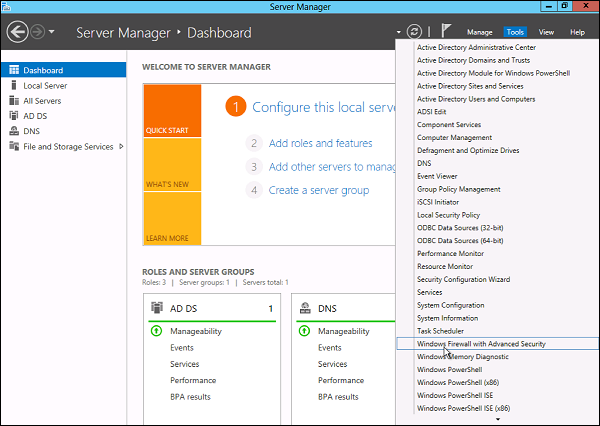
Step 1: Click Server Manager from taskbar> click on the Tools menu and select Windows Firewall with Advanced Security .
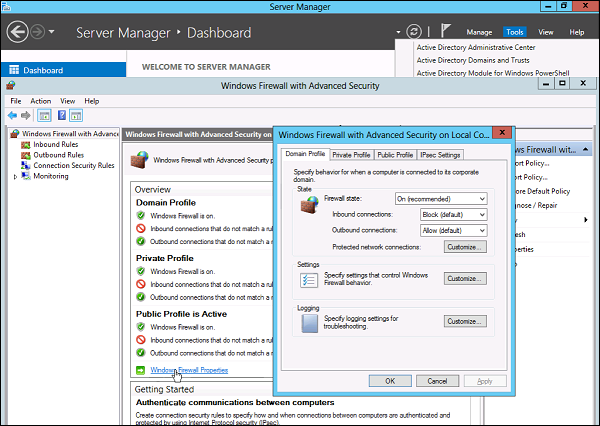
Step 2: To see the current configuration, select Windows Firewall Properties from MMC. From here you can access the settings to adjust settings for 3 firewall profiles: Domain, Private and Public and IPsec settings.
Step 3: Applying custom rules is done through the following two steps:
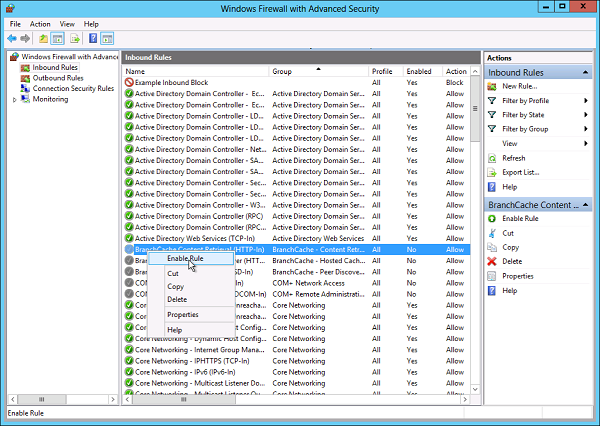
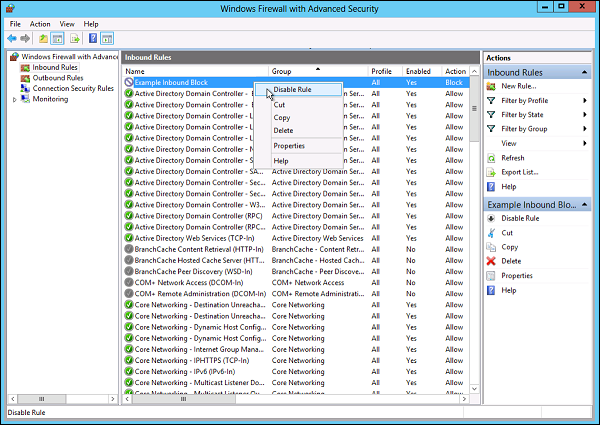
Select Inbound Rules or Outbound Rules under Windows Firewall with Advanced Security in the list in the management pane on the left. (As you know outbound traffic is the traffic generated from the server to the Internet and inbound traffic is the opposite). The active rules will have a green icon in the checkbox, gray is disabled. You right-click on the rule to activate or deactivate it.
How to create a new Firewall rule?
To create a new rule for Firewall, you must follow these steps:
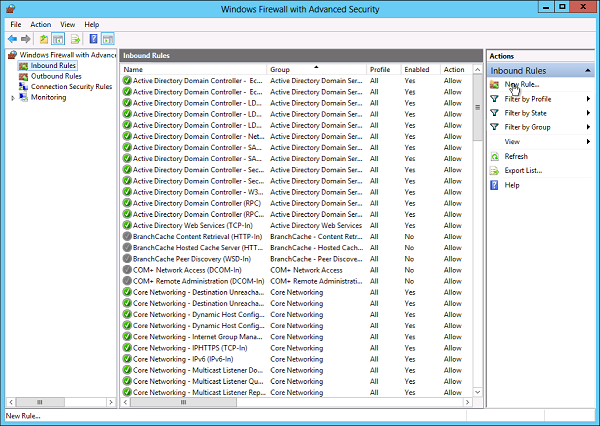
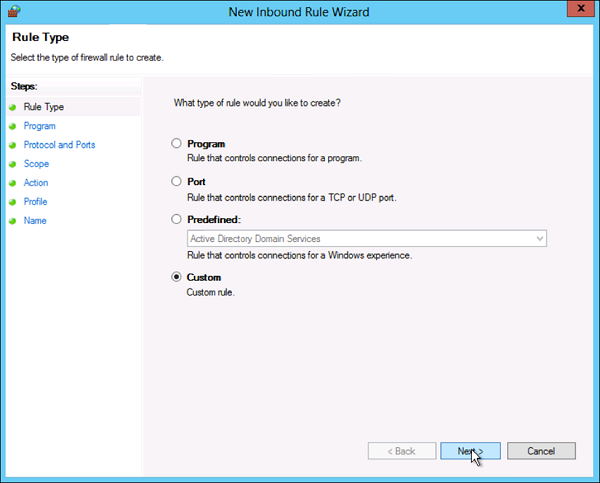
From the right Actions pane, under Inbound Rules or Outbound Rules, select New Rule .
Select Custom in What type of rule would you like to create ? > Next.
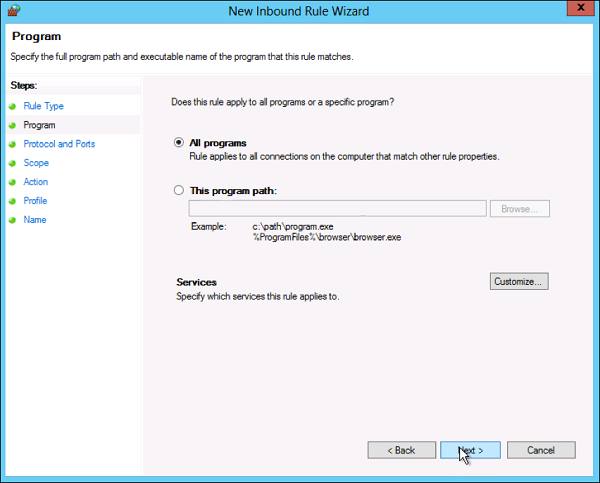
Select All programs (to apply all connections on the computer) or This program path (only for a specific program)> click Next.
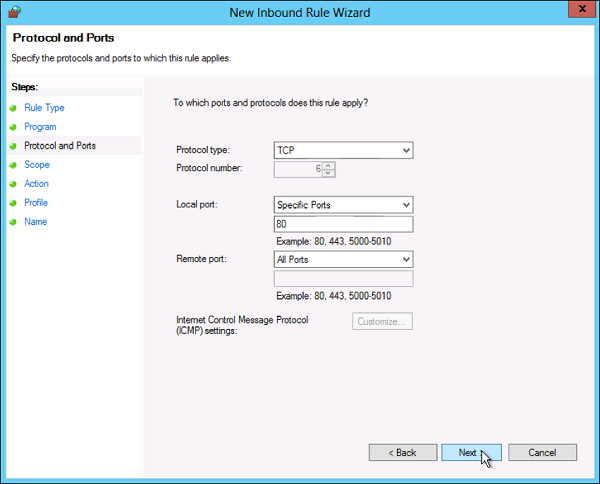
Select the protocol type in Protocol Type > Next.
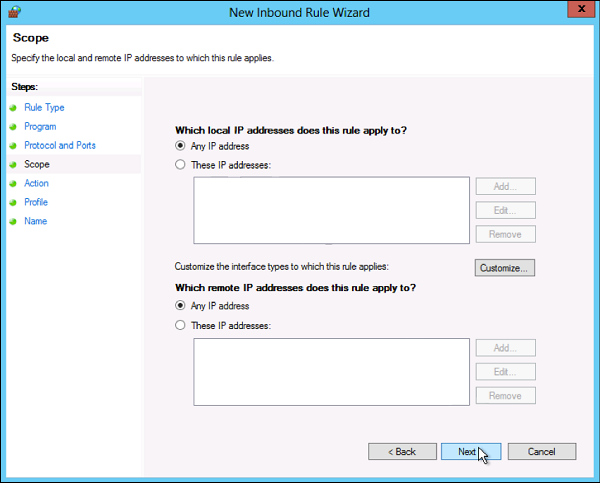
Select the IP address for both the address on the device and the remote control> click Next.
Select the action to apply to the appropriate traffic> click Next.
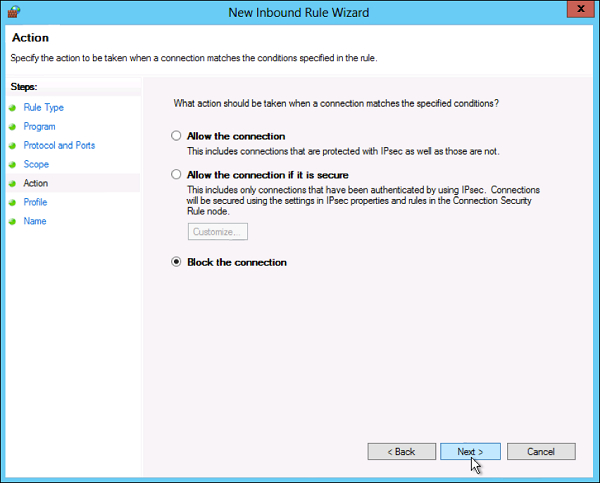
Select the profile associated with the custom rule> Next.
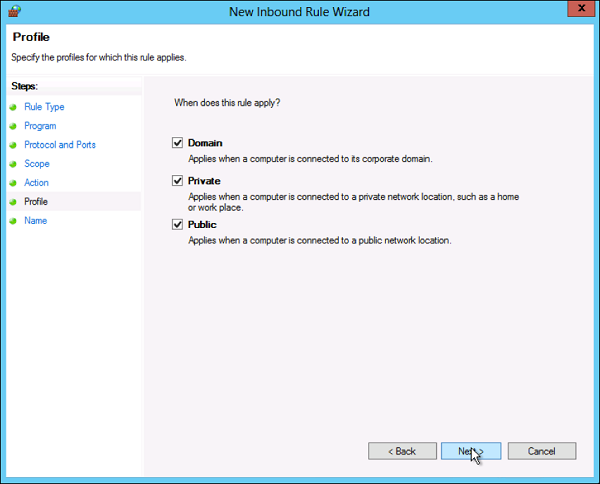
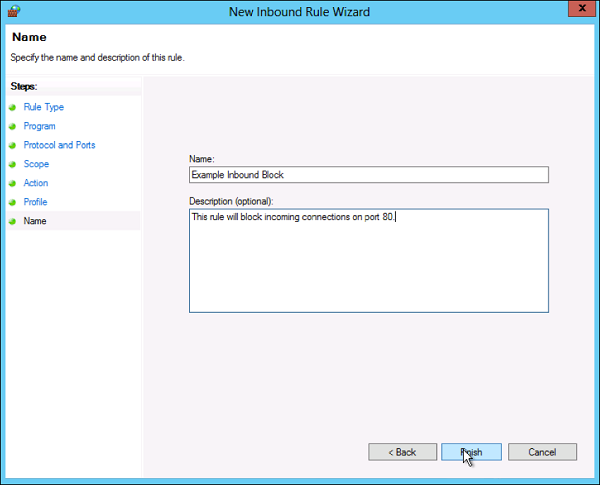
Name the rulle and add a description> click Finish.
Rules can be found in the corresponding Rule tab, Inbound or Outbound depending on the type of rule you create. To disable or delete a rule, simply find the rule in MMC, right-click it and select Disable Rule or Delete.
Previous article: Remote management on Windows Server 2012 with Remote Management Service
FAQ
What is Learn About Firewalls, Windows Firewall on Windows Server 2012 about?
It provides a structured overview of firewalls in windows server, explains the main context, and highlights practical takeaways for readers.
Why does this topic matter?
Understanding the main concepts helps readers evaluate the issue, avoid common mistakes, and make better-informed decisions.
How should readers use this information?
Use the guidance as a practical starting point, confirm details that may have changed, and follow current product, safety, or security recommendations.
Related Articles
 Does the Mac Really Need a Firewall?8 minutes read
 What Is the Cloud Firewall: Learn About Cloud Firewall11 minutes read
 How to Turn Firewall (Firewall) on Win 72 minutes read
 Learn About Firewalls (Firewall): Tips and Examples5 minutes read
 7 Basic Questions About Firewalls Everyone Needs to Know8 minutes read
 Why You Probably Don't Need a Third-party Firewall App on Windows8 minutes read
Reader Comments 0
Sign in with email or Google to join the discussion.