Table of Contents
This updated guide examines How to Install Active Directory in Windows Server 2012 and organizes the essential facts, background, and practical takeaways in clear American English.
To continue the installation, follow the steps below.
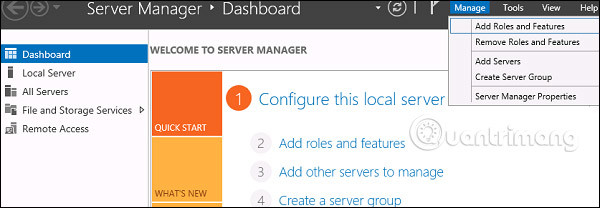
Step 1 - Go to ' Server Manager ' → Manage → Add Roles and Feature .
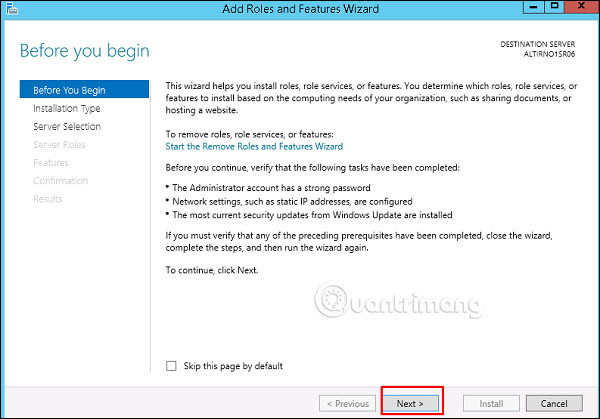
Step 2 - Click the Next button.
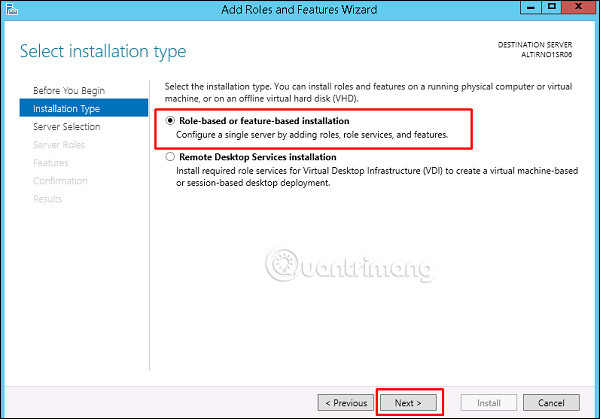
Step 3 - As this example is currently installing AAD, you will select ' Role-based or feature based Installation ' → Next .
Step 4 - Click " Select a server from the server pool ", in case it is installed locally.

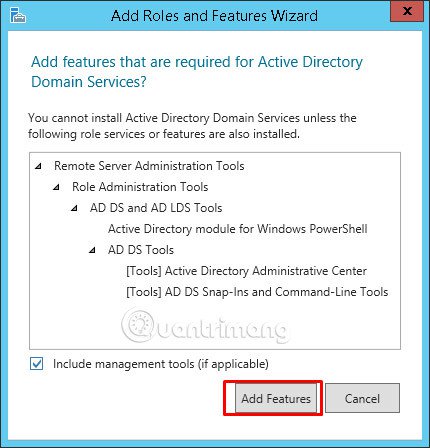
Step 5 - Check the box next to Active Directory Domain Services . A dialog box will appear explaining the additional services or features required to install the domains.

Step 6 - Click Add Features .
Step 7 - Check ' Group Policy Management ' → Next .

Step 8 - Click the " Next " button.
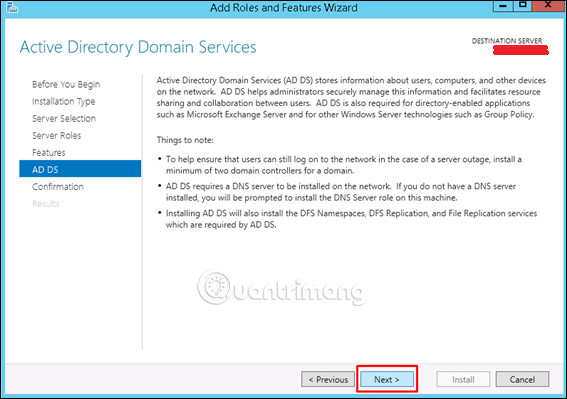
Step 9 - Click ' Install '.
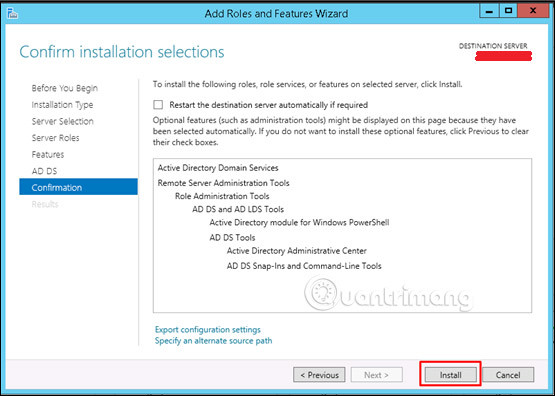
The installation screen will appear now and you must wait until the installation process is complete.
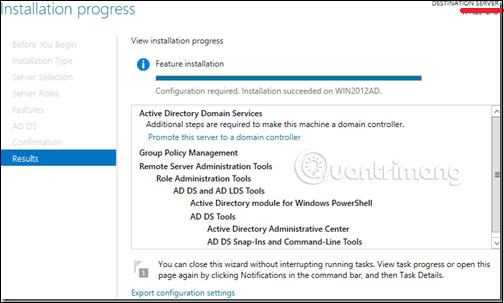
Now that the DC installation is complete, you must configure it for your server.
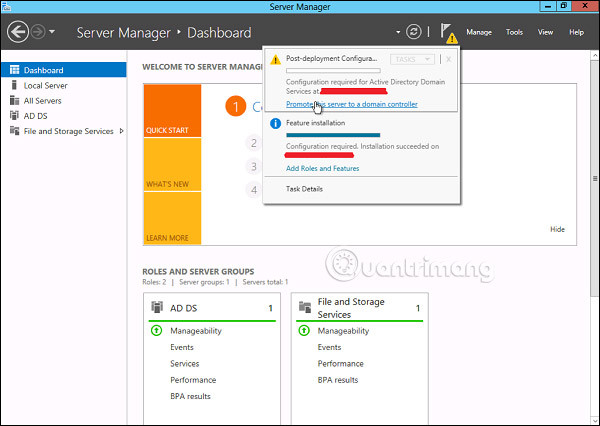
Step 10 - Click on ' Server Manager ' → Open the Notifications Pane by selecting the Notifications icon at the top of the Server Manager. From the message associated with configuring AD DS (Active Directory Domain Services), click Promote this server to a domain controller .
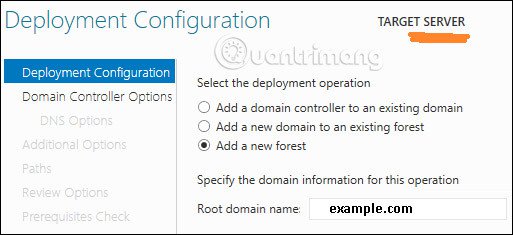
Step 11 - Click ' Add a new forest ' → Insert your root domain name in the Root domain name field . In the case of this example, the root domain name will be named " example.com ".

Step 12 - Select a Domain and Forest functional level . Once selected, enter the DSRM password in the password fields provided. DSRM password is used when starting the Domain Controller in recovery mode.
Step 13 - In the next screen that appears, there is a warning on the DNS Options tab, click OK and then select Next .

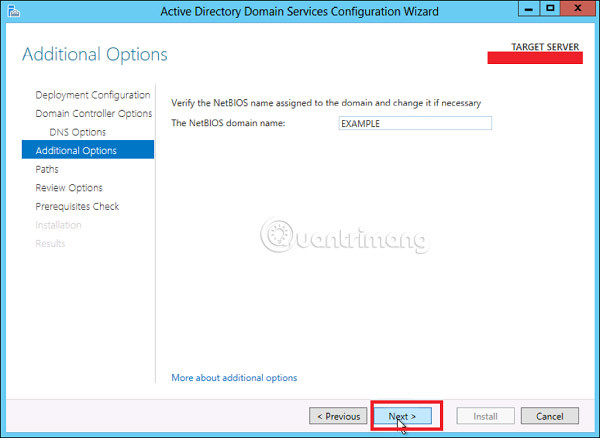
Step 14 - Enter the NETBIOS name and click ' Next '.
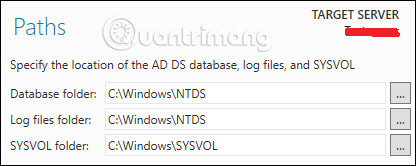
Step 15 - Select the location of the SYSVOL file, Log file and Database folders, then click Next .
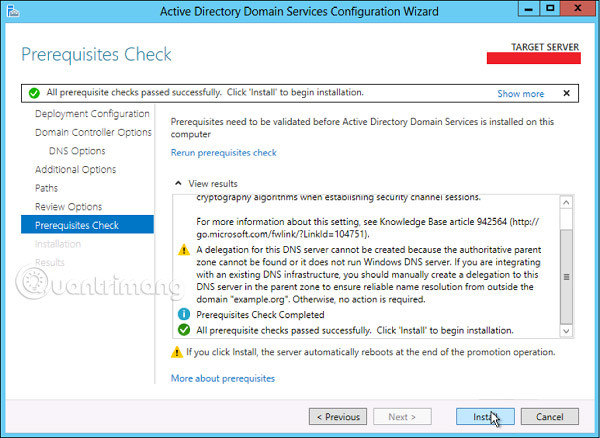
Step 16 - Click " Install " and wait until it finishes. The server will restart several times.
:
- Instructions for creating a Domain Controller - DC on Windows Server 2012
- Instructions for setting F8 key to start Windows 8 in Safe Mode
- Trick to start and shut down Windows Server 2012 computer in a blink of an eye
FAQ
What is How to Install Active Directory in Windows Server 2012 about?
It provides a structured overview of Windows Server 2012, explains the main context, and highlights practical takeaways for readers.
Why does this topic matter?
Understanding the main concepts helps readers evaluate the issue, avoid common mistakes, and make better-informed decisions.
How should readers use this information?
Use the guidance as a practical starting point, confirm details that may have changed, and follow current product, safety, or security recommendations.
Related Articles
 How to Install Active Directory on Windows Server 20193 minutes read
 Theory -- What Is Active Directory?14 minutes read
 Click: How to Enable Active Directory in Windows 103 minutes read
 How to Enable Active Directory in Windows 10: Complete Guide4 minutes read
 How to Installing Active Directory on Windows Server 20087 minutes read
 Restore Deleted Components in Active Directory9 minutes read
Reader Comments 0
Sign in with email or Google to join the discussion.