Table of Contents
This practical guide walks through how to use your web browser's built-in printer tool to save, explains the main requirements, and highlights common issues that may appear along the way.
How to save emails as PDF on Windows
Nearly all popular web browsers today have built-in printing tools. You can use Chrome, Edge, or Firefox to print your email to PDF.
This guide will take Chrome as an example. First, launch Chrome on your Windows PC. Then you go to Gmail and log in to your Google account as usual.
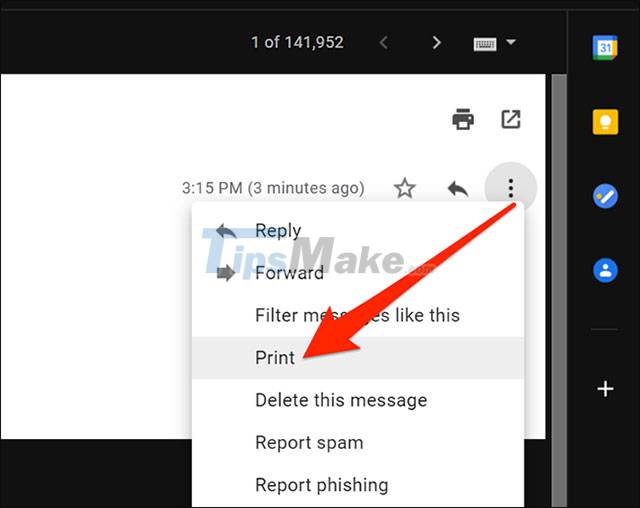
Next, open the email that you want to save as a PDF. In the email interaction window, click the three-dot menu in the top right corner of the screen and select 'Print'.
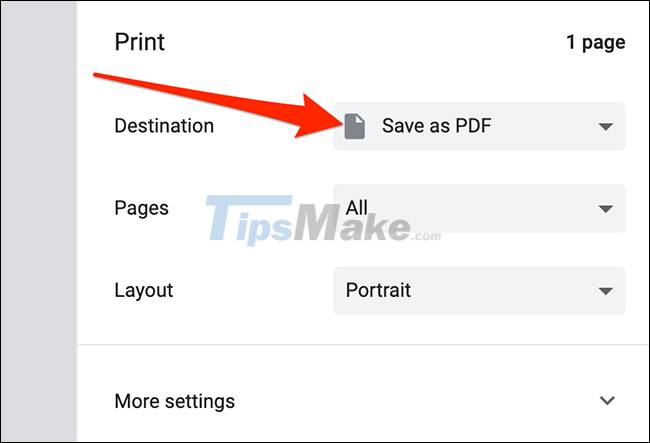
In the 'Print' window, click the drop-down menu next to 'Destination' and select 'Save as PDF'. If needed, you can configure other options such as the layout and margins of the file.

Once done, click 'Save' to start the PDF creation process.
After a few seconds, the save document dialog box will appear. In this window, you name the PDF file and choose a destination folder to save it, then click "Save".
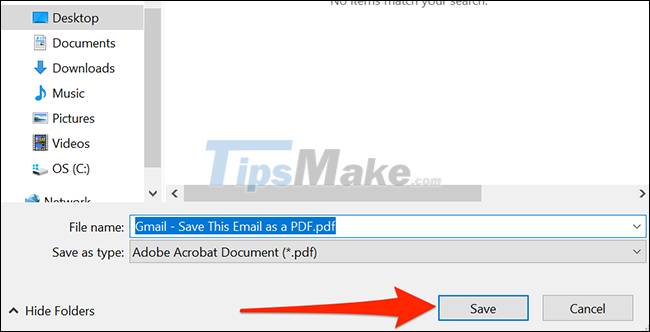
The email is now saved as a PDF file in the folder you just specified. You can virtually 'print' as many emails as you want this way.
How to Save Emails as PDF on Mac
Like Windows, you can also use your browser's built-in PDF print engine to save emails as PDF files on your Mac.
To get started, open the Gmail page in your favorite web browser and log into your account as usual.
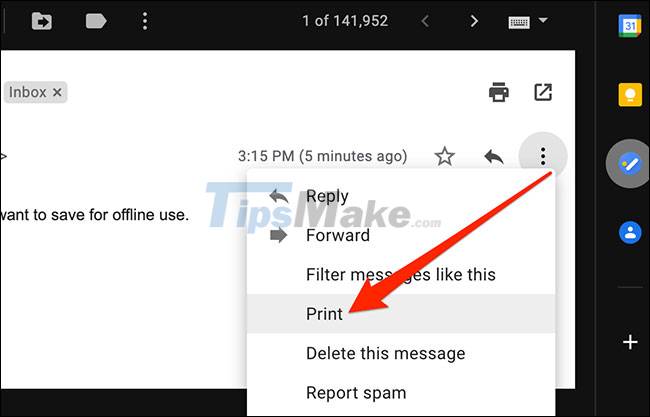
Next, open the email that you want to save as a PDF file. In the email view window, you click on the three-dot menu in the top right corner and select 'Print'.
(Tip: If you click 'Print' and see a pop-up blocker message in Firefox, click the 'Preferences' tab in the upper-left corner of the Gmail window and select 'Allow pop-ups for mail.google. com'. Then click 'Print' again).
On the print window, under 'Destination', select 'Save as PDF'. You can adjust other settings that you want to apply on the target document. Then click 'Save'.
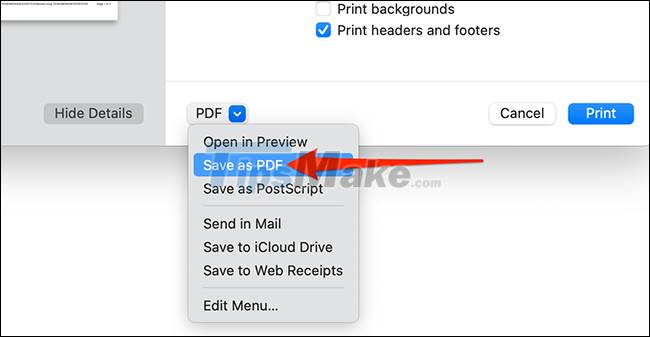
In case you use Safari, click the drop-down menu that says 'PDF' at the bottom of the print window and select 'Save as PDF'.
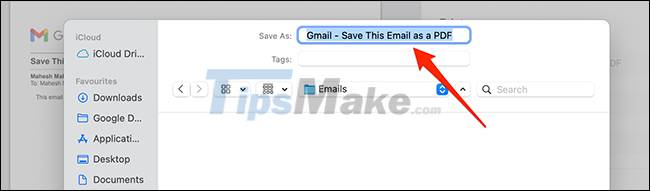
On the save document window that appears on the screen, enter the PDF file name in the text field at the top. Then choose a destination folder to save the file and click 'Save'. (The save document window in Safari will look slightly different from the image below, but the options available are essentially the same.)
Key Takeaways
Use the information above as a practical reference for how to use your web browser's built-in printer tool to save. Review each step carefully, confirm any requirements, and choose the option that best fits your situation.
FAQ
What does this guide explain about Use Your Web Browser's Built-in Printer Tool to Save?
It explains the main concepts, practical considerations, and useful steps related to use your web browser's built-in printer tool to save without requiring advanced knowledge.
Who can benefit from learning about Use Your Web Browser's Built-in Printer Tool to Save?
This information is useful for readers who want a clear overview, practical guidance, and reliable steps related to use your web browser's built-in printer tool to save.
What should I check before applying this information?
Review the requirements, confirm that your device, software, or situation matches the instructions, and back up important data before making major changes.
Related Articles
 How to Share a Printer via LAN5 minutes read
 Everything - Find Data Files Quickly in an Instant4 minutes read
 How to Open Swf Files5 minutes read
 The Best 3D Printers 20198 minutes read
 How to Replace Printer Ink at Home in the Simplest Way7 minutes read
 Printer Is Blurred: Causes and Solutions for Blurry Printer Problems8 minutes read
Reader Comments 0
Sign in with email or Google to join the discussion.