Table of Contents
This updated guide examines How to Transform Mac into Windows PC and organizes the essential facts, background, and practical takeaways in clear American English.
Part 1of 4:
Preparing the computer
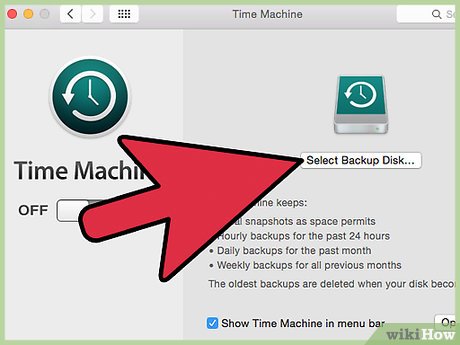 Back up your data on the Mac that will contain the new software.
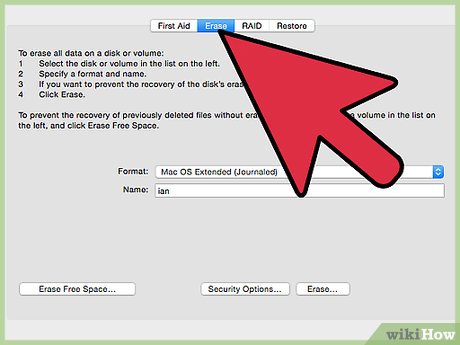 Clean the hard drive to ensure that you have enough space to occupy both OSX and Window's systems.
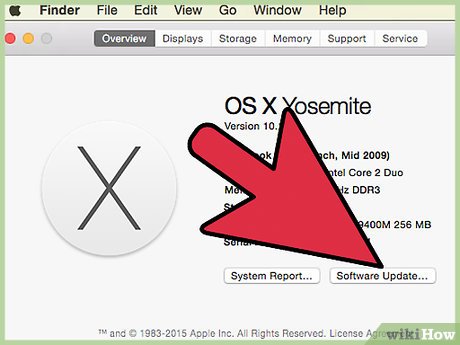 Update your Intel based Mac to latest OS X.
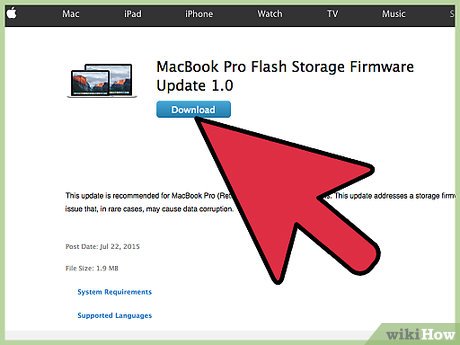 Download and install latest firmwares available to your Mac.
 Close all open windows on the Mac.
 If using portable computer make sure power adapter is connected.
Part 2of 4:
Adding BootCamp Assistant
 Connect the external hard drive FAT format into the USB port on the Mac.
- Keep it connected while installing Windows support software.
 On the top right hand corner, type BootCamp Assistant in Spotlight. Then run the application.
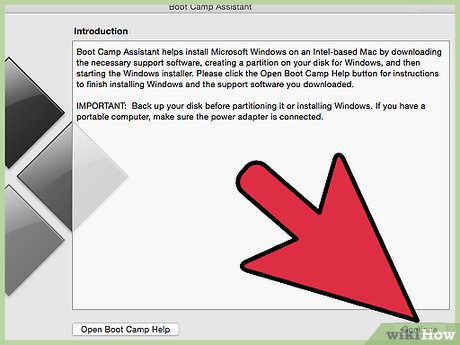 Click Continue after reading the introduction.
 Select Download the latest Windows support software from Apple task on page. Click Continue.
 Quit. Once the installation is completed, quit and relaunch BootCamp Assistant.
Part 3of 4:
Installing Windows 7 or higher
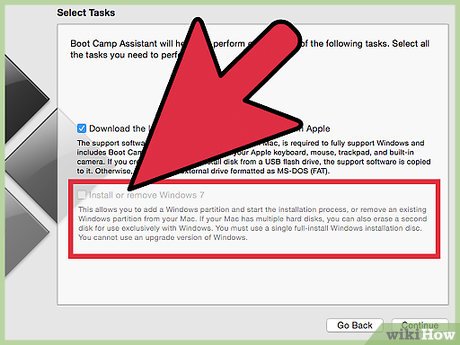 Select Install Windows 7 or later version. Click Continue.
 Drag the slider to adjust Windows' partition size. Click Install.
- Recommended 30 GB size for Windows.
 If BootCamp needs to update USB drive inserted, click Continue and allow it to update the USB.
 Eject the USB drive from the desktop screen only. Leave the drive connected to the computer. The Mac will restart once the partition is completed.
 Begin Windows installation by following the onscreen instructions displayed.
 If asked which installation to use: Upgrade or Custom, choose Custom installation. If not asked anything, skip this step.
 When asked to install Windows, scroll down until you find partition named BOOTCAMP. Click it.
 Click Format then OK. Finally, click Next.
 Continue the installation by following the simple onscreen instructions.
Part 4of 4:
Switching from Windows to OS X
 Click the Boot Camp icon in the system tray. Choose Restart in OS X.
FAQ
What is How to Transform Mac into Windows PC about?
It provides a structured overview of windows, explains the main context, and highlights practical takeaways for readers.
Why does this topic matter?
Understanding the main concepts helps readers evaluate the issue, avoid common mistakes, and make better-informed decisions.
How should readers use this information?
Use the guidance as a practical starting point, confirm details that may have changed, and follow current product, safety, or security recommendations.
Related Articles
 What Is 3D Transform: 3D Transform in CSS4 minutes read
 What Is 2D Transform: 2D Transform in CSS7 minutes read
 Turn Windows 11 Interface into Windows 10 with Just One Click: What You Need to Know4 minutes read
 5 Tools to Help 'Transform' Windows2 minutes read
 Appears a Free Game That Allows You to Practice Being a Hacker3 minutes read
 Lockscreen Windows 11: Complete Guide3 minutes read
Reader Comments 0
Sign in with email or Google to join the discussion.