Table of Contents
This updated guide examines How to Take Screenshots of an Active Window and organizes the essential facts, background, and practical takeaways in clear American English.
Method 1of 3:
Using Key Combinations
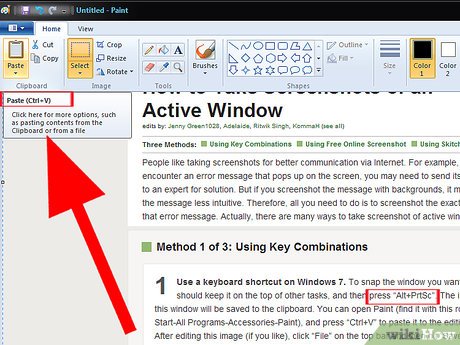 Use a keyboard shortcut on Windows 7. To snap the window you want, you should keep it on the top of other tasks, and then press 'Alt+PrtSc'. The image of this window will be saved to the clipboard. You can open Paint (find it with this route: Start-All Programs-Accessories-Paint), and press 'Ctrl+V' to paste it to the editing board. After editing this image (if you like), click 'File' on the top bar and then hit 'Save' to preserve the screenshot.
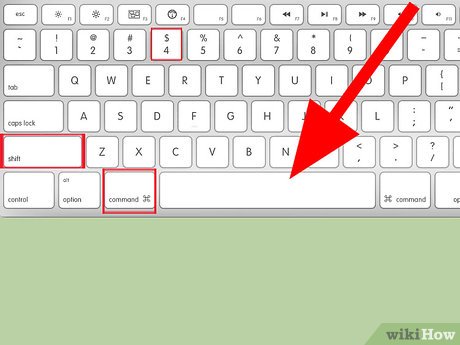 Use keyboard shortcuts on Mac. Mac provides its users a flexible way to capture anything on the screen. To capture active window, you just need to press 'Command+Shift+4' and then 'Spacebar', then your mouse cursor will turn into a camera icon. Move the camera icon to the active window and click it. After that, the screenshot of the window will be immediately saved to the desktop in PNG format.
Method 2of 3:
Using Free Online Screenshot
 Activate a screenshot tool. Navigate to screenshot.net. Click 'Take Screenshot' button and run Java Applet, and then you will receive the interface of this program.
 Take a screenshot of your current window. Make sure the window you want is on the top of other tasks. Hit the camera icon on the interface of this app. After that, the mouse cursor will turn into a crosshair. Hover it over the active window until you see a frame appears around its borders, click your mouse to capture the window.
 Save the screenshot. Once the screenshot is taken, two toolbars will appear on the sides of it. Before saving the image, you can make use of the edit function on the horizontal bar. It enables you to add various annotations to the picture, such as highlights, texts and blurs. After editing, you can click the last button on the horizontal bar to save the graph to your local disk.
Method 3of 3:
Using Skitch
This method is for Mac users. This desktop program also enables you to grab active windows very easily.
 Launch Skitch. Go to your applications folder, find the logo of this program and double click it to activate this program.
 Take a screenshot of the active window. Put the window you want upon other apps. Resume to Skitch interface, hit 'Snap' on the right toolbar, move the mouse to the active window and click it. Then the window will be captured and appear in the program.
 Save the screenshot. Press 'Save' in the upper bar to save the image to your Skitch folder.
FAQ
What is How to Take Screenshots of an Active Window about?
It provides a structured overview of window, explains the main context, and highlights practical takeaways for readers.
Why does this topic matter?
Understanding the main concepts helps readers evaluate the issue, avoid common mistakes, and make better-informed decisions.
How should readers use this information?
Use the guidance as a practical starting point, confirm details that may have changed, and follow current product, safety, or security recommendations.
Related Articles
 How to Activate Last Active Click for Windows 10 Taskbar3 minutes read
 How to Use Snipping Tool to Take Screenshots on Windows 103 minutes read
 7 Screenshots Hackers Like You to Save in Your Gallery7 minutes read
 Please Download More Than 90 Beautiful Windows Wallpapers for3 minutes read
 How to Take Screen Shots of Android Phones9 minutes read
 How to Capture, Share Screenshots PS54 minutes read
Reader Comments 0
Sign in with email or Google to join the discussion.