Table of Contents
This updated guide examines How to Set up an Independent Ids/ips Lab Enviroment (Using Snort and organizes the essential facts, background, and practical takeaways in clear American English.
Part 1of 5:
Prerequisites To Compiling Snort
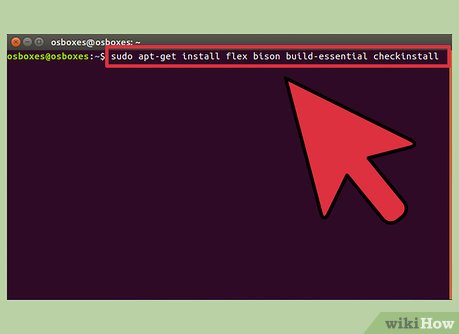 Install the required packets using:
- Sudo apt-get install flex bison build-essential checkinstall
- Sudo apt-get install libpcap-dev libnet1-dev libpcre3-dev
- Sudo apt-get install libmysqlclient15-dev libnetfilter-queue-dev iptables-dev
Part 2of 5:
Install Libdnet
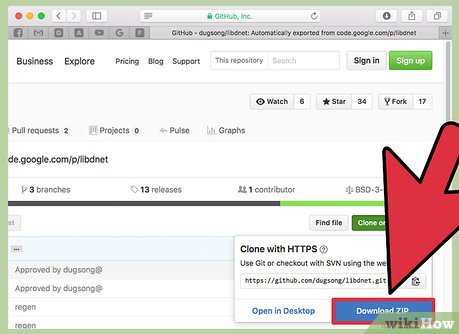 Download libdnet-1.12.tgz. Download from: https://code.google.com/p/libdnet/downloads/detail?name=libdnet-1.12.tgz&can=2&q=. Alternatively, you can search for it online.
 Switch to the directory where the file was saved (this should be Downloads):
- cd Downloads
 Untar the file
- tar xvfz libdnet-1.12.tgz
 Change into libdnet-1.12 directory:
- cd libdnet-1.12
 Compile libdnet
- ./configure "CFLAGS=-fPIC"
- make
- sudo checkinstall
- Type "y" and Enter when it reads "Should I create a default set of package docs? [y]: "
- Then when it reads ">>". Press Enter again
- Enter when it reads "Enter a number to change any of them or press ENTER to continue"
- Type "n" and Enter when it reads "Do you want me to list them? [n] "
- Type "y" and Enter when it reads "Should I exclude them from the package? (Saying yes is a good idea) [n]: "
- Install the package:
- sudo dpkg -i libdnet_1.12-1_amd64.deb
 Create the required symbolic link
- sudo ln -s /usr/local/lib/libdnet.1.0.1 /usr/lib/libdnet.1
Part 3of 5:
Install DAQ (Data Acquisition Library)
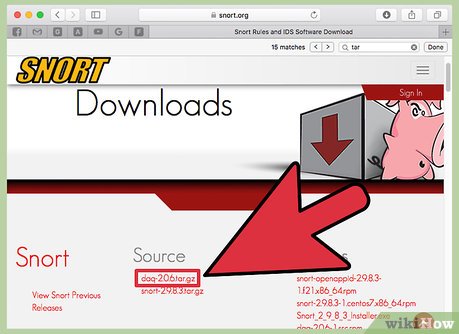 Download daq-2.0.4.tar.gz. Download it from: https://www.snort.org/downloads, or the https://www.snort.org, or search online for it.
 Switch to the directory where the file was saved (this should be Downloads):
- If still inside libdnet-1.12 then type
- cd..
- If in main directory then type
- cd Downloads
- If still inside libdnet-1.12 then type
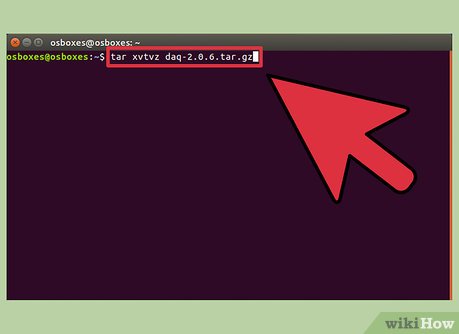 Untar the file:
- tar xvfvz daq-2.0.4.tar.gz
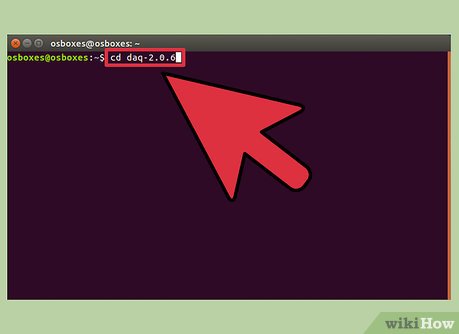 Change into daq-2.0.4 directory:
- cd daq-2.0.4
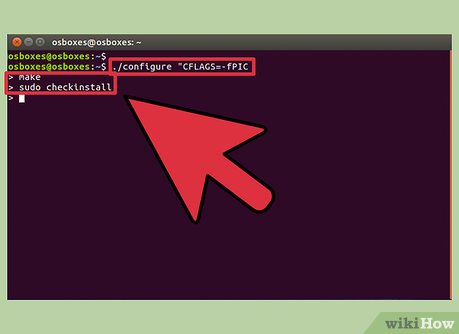 Compile daq (Similar to how we compiled libdnet):
- ./configure
- make
- sudo checkinstall
- Type "y" and Enter when it reads "Should I create a default set of package docs? [y]: "
- Then when it reads ">>". Press Enter again
- Enter when it reads "Enter a number to change any of them or press ENTER to continue"
- Type "n" and Enter when it reads "Do you want me to list them? [n] "
- Type "y" and Enter when it reads "Should I exclude them from the package? (Saying yes is a good idea) [n]: "
 Install the package:
- sudo dpkg -i daq_2.0.4-1_amd64.deb
Part 4of 5:
Install and Configure Snort
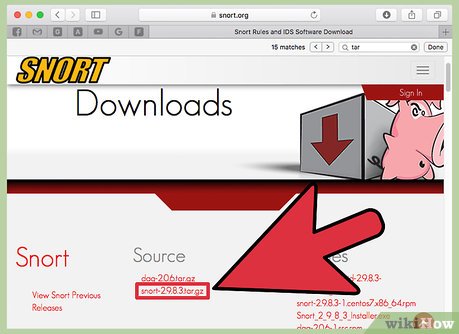 Download snort-2.9.7.0.tar.gz. Download it from https://www.snort.org/downloads or the https://www.snort.org or search for it online.
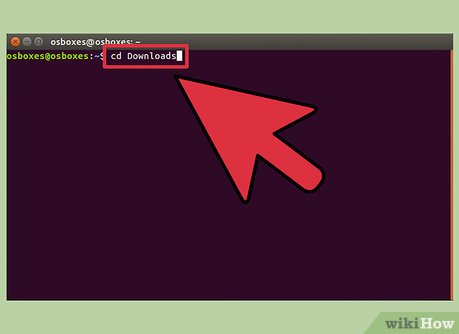 Switch to the directory where the file was saved (should be Downloads):
- If still inside libdnet-1.12 or daq.2.0.4, then type
- cd..
- If in main directory then type
- cd Downloads
- If still inside libdnet-1.12 or daq.2.0.4, then type
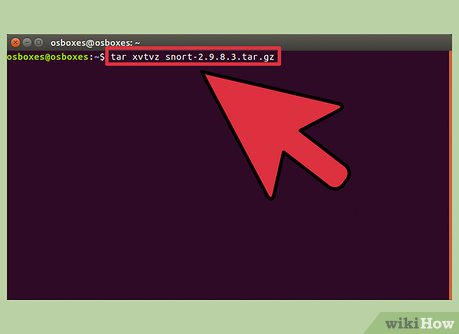 Untar the file:
- tar xvfvz snort-2.9.7.0.tar.gz
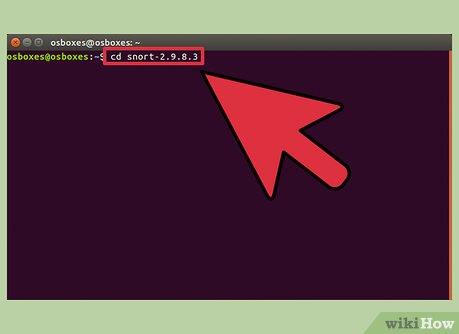 Change into snort-2.9.7.0 directory:
- cd snort-2.9.7.0
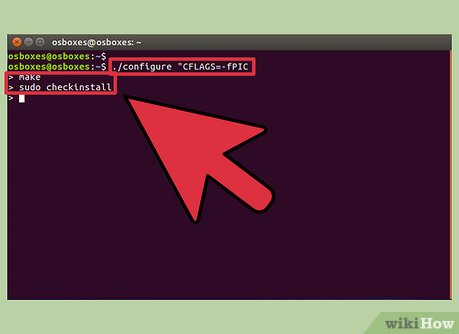 Compile snort (Similar to how we compiled libdnet and daw):
- ./configure
- make
- sudo checkinstall
- Type "y" and Enter when it reads "Should I create a default set of package docs? [y]: "
- Then when it reads ">>". Press Enter again
- Enter when it reads "Enter a number to change any of them or press ENTER to continue"
- Type "n" and Enter when it reads "Do you want me to list them? [n] "
- Type "y" and Enter when it reads "Should I exclude them from the package? (Saying yes is a good idea) [n]: "
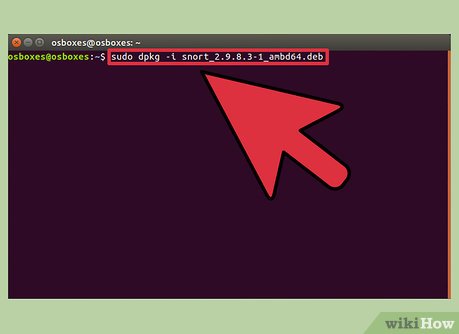 Install the package:
- sudo dpkg -i snort_2.9.7.0-1_amd64.deb
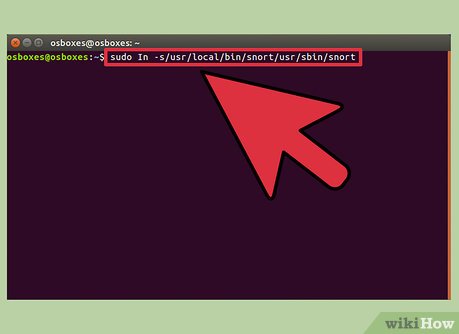 Create the required symbolic link:
- sudo ln -s /usr/local/bin/snort /usr/sbin/snort
- sudo ldconfig -v
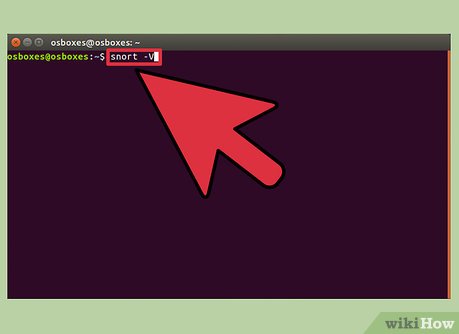 Verify the snort version by typing:
- snort -V
 Make snort an individual user with no login for network security:
- sudo groupadd snort
- sudo useradd snort -d /var/log/snort/ -s /sbin/nologin -c SNORT_IDS -g snort
- sudo mkdir /var/log/snort
- sudo chown snort:snort /var/log/snort
Part 5of 5:
Install and Configure Snort Rules
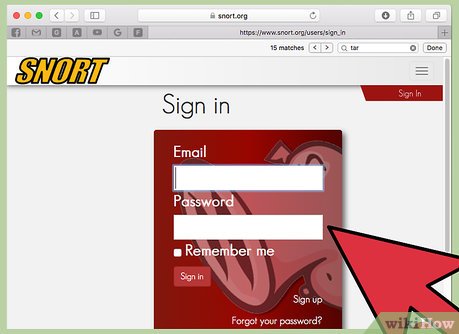 to download the default snort rule-set, you will have to create a log in athttps://www.snort.org.
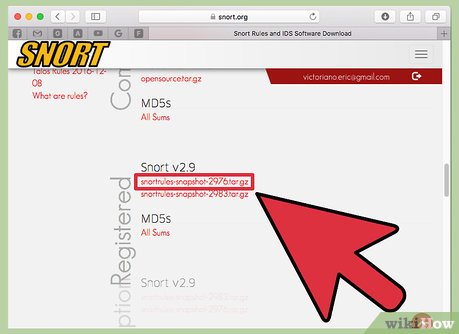 Download snortrules-snapshot-2970.tar.gz. Download it from https://www.snort.org/downloads or the https://www.snort.org or search online for it.
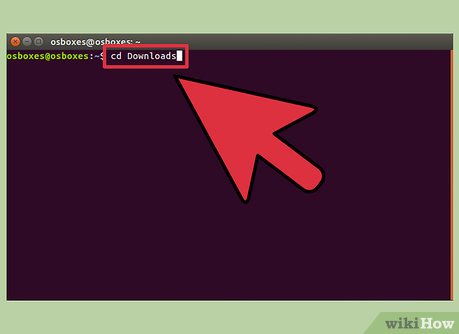 Switch to the directory where the file was saved (should be Downloads):
- If still inside libdnet-1.12 or daq.2.0.4 or snort-2.9.7.0 then type
- cd..
- If in main directory then type
- cd Downloads
- If still inside libdnet-1.12 or daq.2.0.4 or snort-2.9.7.0 then type
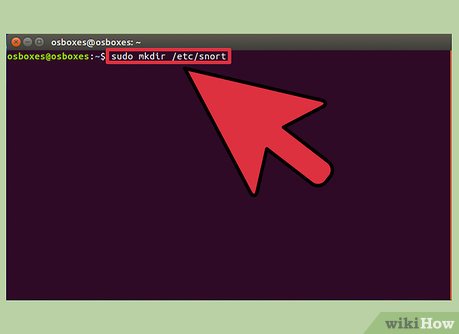 Make a new directory for the rules:
- sudo mkdir /etc/snort
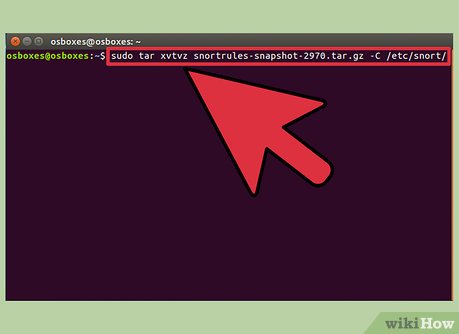 Untar the file
- sudo tar xvfvz snortrules-snapshot-2970.tar.gz -C /etc/snort/
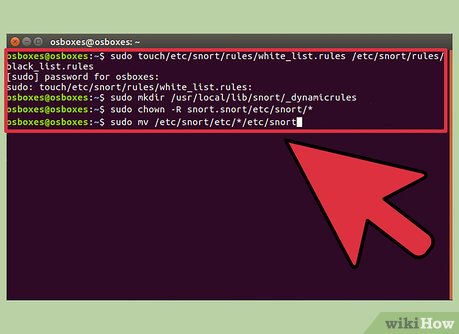 Configure the rule-set:
- sudo touch /etc/snort/rules/white_list.rules /etc/snort/rules/black_list.rules
- sudo mkdir /usr/local/lib/snort_dynamicrules
- sudo chown -R snort:snort /etc/snort/*
- sudo mv /etc/snort/etc/* /etc/snort/
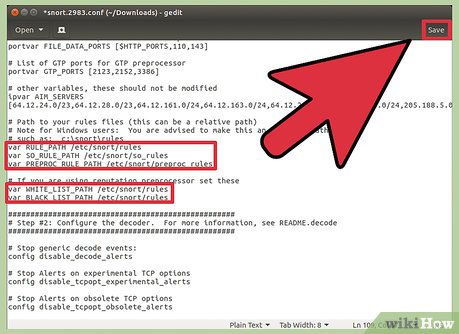 Update snort config file:
- Use any editor you are familiar with (vim, emac, gedit, pico) and open /etc/snort/snort.conf with sudo permissions. Eg: sudo vi /etc/snort/snort.conf
- Change Line 104 from "var RULE_PATH../rules" to "var RULE_PATH /etc/snort/rules"
- Change Line 105 from "var SO_RULE_PATH../so_rules" to "var SO_RULE_PATH /etc/snort/so_rules"
- Change Line 105 from "var PREPROC_RULE_PATH../preproc_rules" to "var PREPROC_RULE_PATH /etc/snort/preproc_rules"
- Change Line 109 from "var WHITE_LIST_PATH../rules" to "var WHITE_LIST_PATH /etc/snort/rules"
- Change Line 110 from "var BLACK_LIST_PATH../rules" to "var BLACK_LIST_PATH /etc/snort/rules"
- Save and Exit
- Use any editor you are familiar with (vim, emac, gedit, pico) and open /etc/snort/snort.conf with sudo permissions. Eg: sudo vi /etc/snort/snort.conf
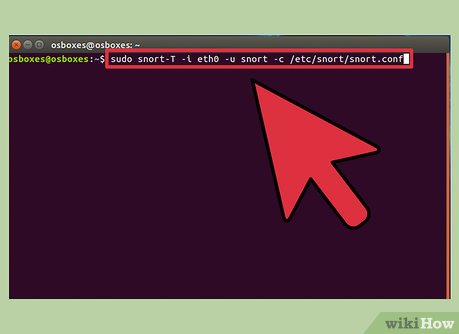 Verify that snort is fully functional with the default rule-set listening to all the traffic on the network by running it in test mode.
- sudo snort -T -i eth0 -u snort -g snort -c /etc/snort/snort.conf
FAQ
What is How to Set up an Independent Ids/ips Lab Enviroment (Using Snort about?
It provides a structured overview of snort, explains the main context, and highlights practical takeaways for readers.
Why does this topic matter?
Understanding the main concepts helps readers evaluate the issue, avoid common mistakes, and make better-informed decisions.
How should readers use this information?
Use the guidance as a practical starting point, confirm details that may have changed, and follow current product, safety, or security recommendations.
Related Articles
 How to Install Tomcat in Ubuntu6 minutes read
 What Is a Lunar Eclipse? Lunar Eclipse Occurs When?4 minutes read
 How to Install Tomcat on Windows 78 minutes read
 3 Super Computers Create Eclipse Eclipses That Help You Preview3 minutes read
 The Strange Object Appeared in the Picture of the Lunar Eclipse in Hanoi3 minutes read
 What Is a Solar Eclipse? When Does a Solar Eclipse Take Place?3 minutes read
Reader Comments 0
Sign in with email or Google to join the discussion.