Table of Contents
The following guide provides a clear overview of Spam email, with the most relevant background, details, and practical takeaways.
Solution
Step 1: As soon as you discover your address is sending spam to everyone, try to change your password immediately. If successful, you have solved the problem. But if your mail service denies the new password, the problem will get worse. The attacker has changed the previous password and is now controlling your account. Let's move on to the next step.
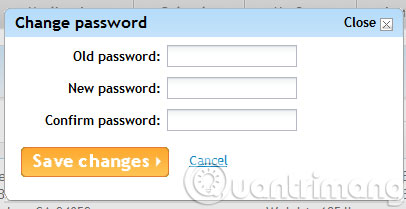
Step 2: If you are still connected and can receive mail, try to log in on another computer or use a private web browser. When logging in failed, please click the Forgot your password or Need help link. The mail service will email you with a new password. Hope, you will get it before the attacker.

Step 3: If the above two steps are not successful, you will have to contact the service provider like Gmail or Outlook. If you use another mail service, you must find a way to contact them.

The Following Are Tips in Security Issues Avoiding the Same Situation
- Use long, strong passwords so no one can guess.
- Use different passwords for different services, control them with password control software.
- Set up 2-step confirmation for your service.
- Never email your password to anyone.
- 9 misconceptions about security and how to resolve
- Use WinPatrol to monitor computers
- Keep your Google account secure "safer"
Good luck!
FAQ
How does Spam email work?
The following guide provides a clear overview of Spam email, with the most relevant background, details, and practical takeaways.
What should you prepare before using this method?
Solution Step 1: As soon as you discover your address is sending spam to everyone, try to change your password immediately.
What should you do if the process does not work as expected?
If successful, you have solved the problem.
Related Articles
 Email: Beware of the 7 Most Common Types of Spam11 minutes read
 The Most Effective Spam Blocking Tips: Email8 minutes read
 Don't Click 'Unsubscribe': This Is How Spam Is Actually Stopped!9 minutes read
 Instructions to Delete Spam Automatically in Gmail: Gmail Spam3 minutes read
 Email: Some Measures to Reduce Spam6 minutes read
 Automatically Identify and Delete Spam Emails in Outlook with Spam3 minutes read
Reader Comments 0
Sign in with email or Google to join the discussion.