Table of Contents
This practical guide walks through how to fix the error of the computer not receiving USB boot, explains the main requirements, and highlights common issues that may appear along the way.
1. Cause the computer does not recognize the USB Boot
If your computer does not receive the USB Boot, it is likely that the BIOS interferes, the computer's BIOS has some special features that interfere with receiving the Boot on the computer. One of the features that interfere with Boot is Secure Boot (Secure Boot) and Boot Legacy (Launch CMS - standard Legacy).
2. How to fix the error of the computer not receiving USB Boot
Step 1: First, reboot your computer and access the motherboard BIOS. Most motherboards these days use Del to access the BIOS.
When the computer is booting and displaying the motherboard brand name, press the Del key.
Step 2: Then, you select Security on the BIOS and select Secure Boot.
Note: Each BIOS is designed differently so they may differ from each other!

Step 3: Next, you choose Attempt Secure Boot (Secure Boot) and switch them to Disabled mode.

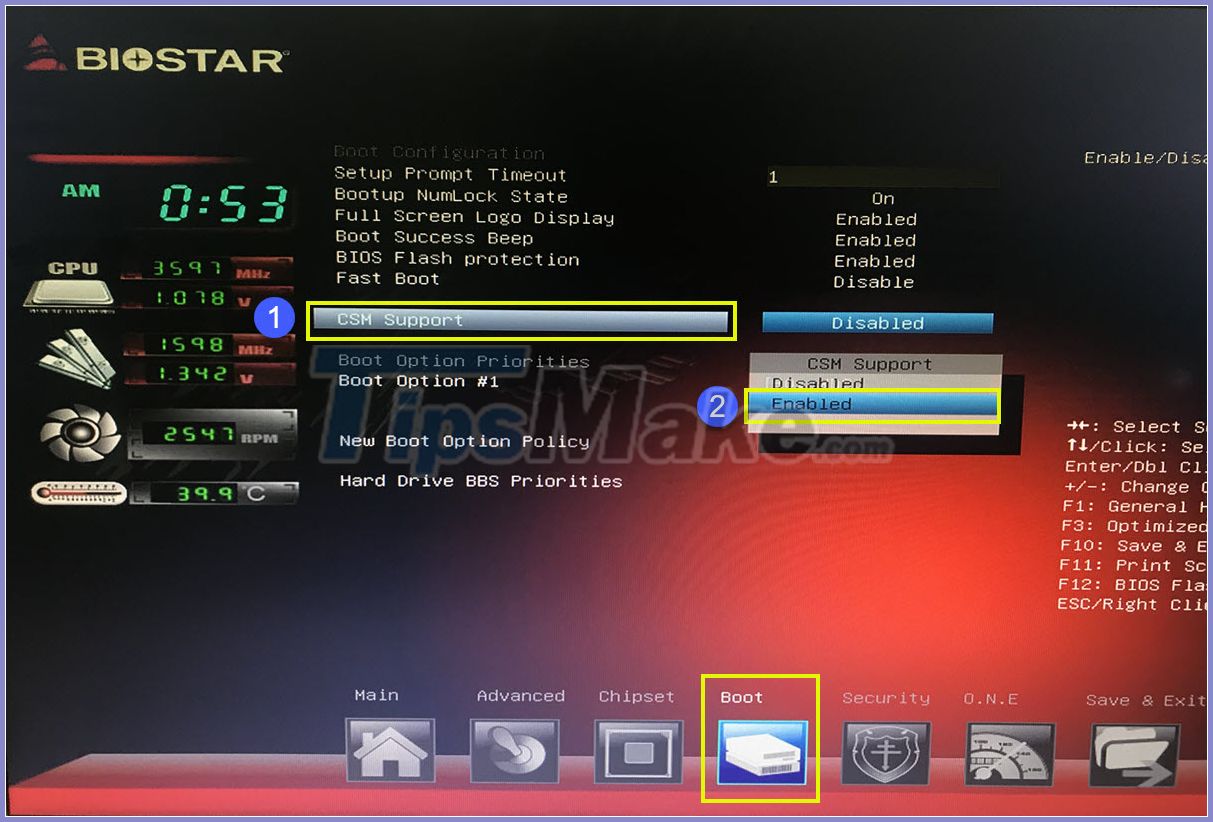
Step 4: Then, select Boot on the toolbar and navigate to CSM Support. Please select CSM Support and select Enable to enable this feature!
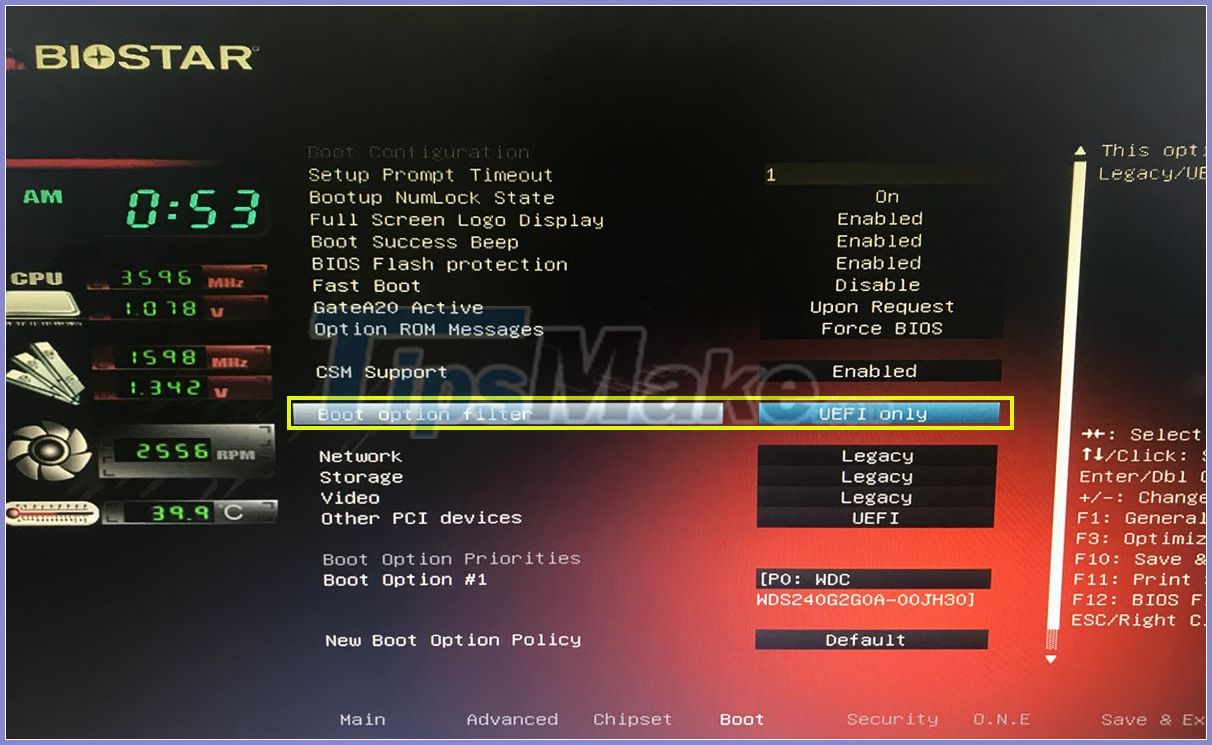
Step 5: Next, you go to the Boot option filter and select them to change.
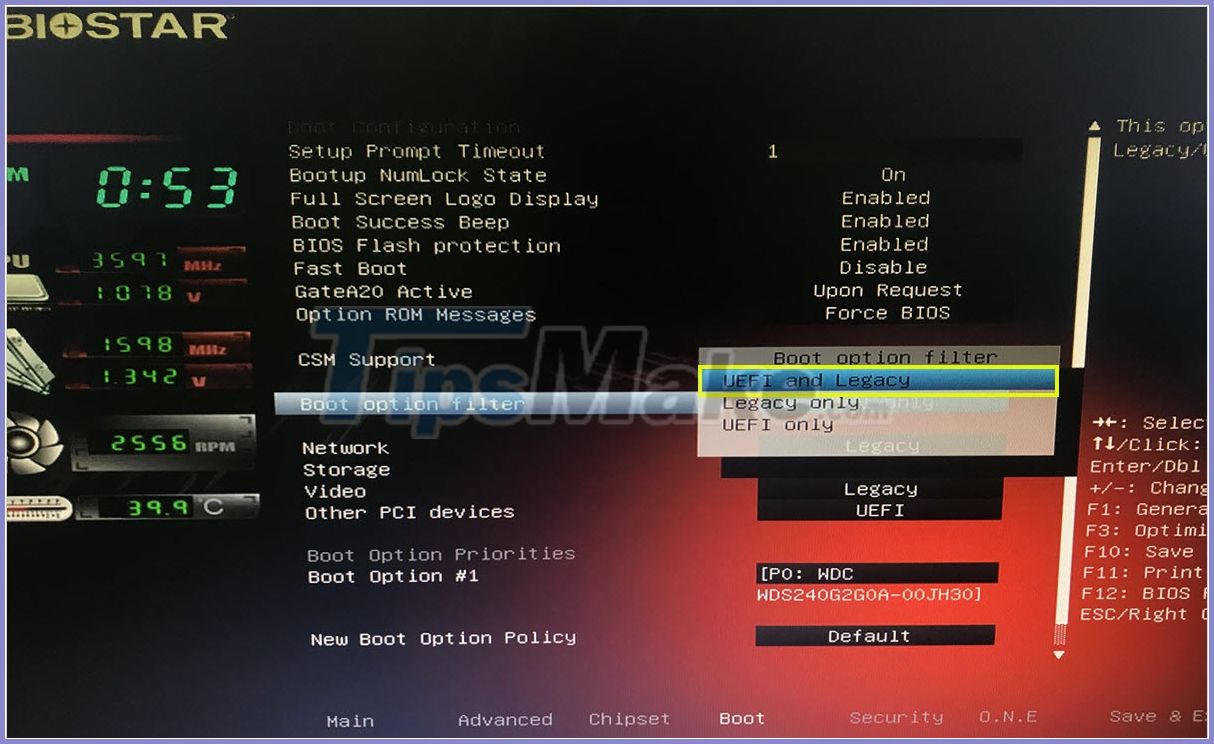
Step 6: Choose UEFI and Legacy to convert them into UEFI and Legacy standard support modes.
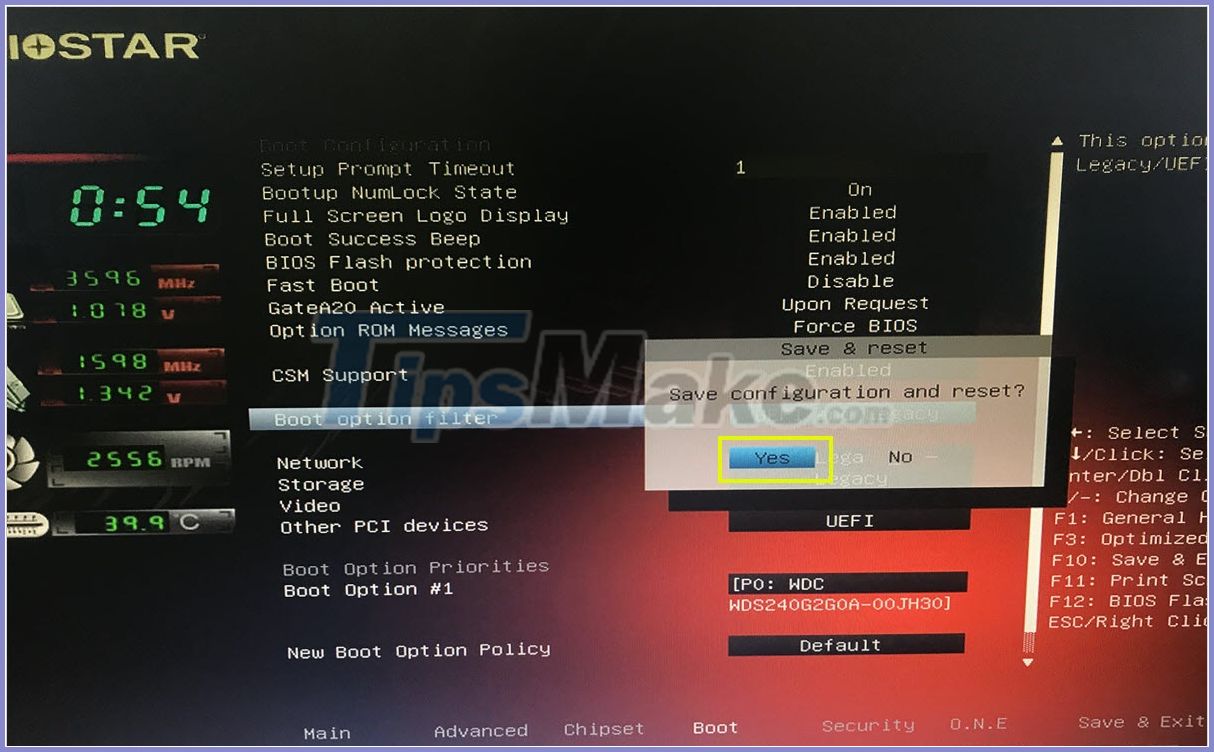
Step 7: Finally, press F10 and Enter to save the settings. Now please double-check whether the computer has USB Boot.
In this article, Software tips have instructed you how to fix USB errors effectively and quickly. Good luck!
Key Takeaways
Use the information above as a practical reference for how to fix the error of the computer not receiving USB boot. Review each step carefully, confirm any requirements, and choose the option that best fits your situation.
FAQ
What does this guide explain about Fix the Error of the Computer Not Receiving USB Boot?
It explains the main concepts, practical considerations, and useful steps related to fix the error of the computer not receiving USB boot without requiring advanced knowledge.
Who can benefit from learning about Fix the Error of the Computer Not Receiving USB Boot?
This information is useful for readers who want a clear overview, practical guidance, and reliable steps related to fix the error of the computer not receiving USB boot.
What should I check before applying this information?
Review the requirements, confirm that your device, software, or situation matches the instructions, and back up important data before making major changes.
Related Articles
 How to Fix Windows 10 Not Booting Error: Step-by-Step Guide13 minutes read
 Steps to Fix the Error That the Computer Does Not Recognize5 minutes read
 Fix the Unmountable Boot Volume Error on Windows 109 minutes read
 How to Fix A20 Error When Starting the Computer4 minutes read
 How to Fix the Printer Not Receiving Print Job on the9 minutes read
 DLC Boot - DLC Boot Download and Installation Guide4 minutes read
Reader Comments 0
Sign in with email or Google to join the discussion.