Table of Contents
If a PC restarts but the monitor stays blank, first determine whether the computer is failing to start or the display is simply not receiving a signal. Check the monitor’s power and input selection, reseat the video cable at both ends, and try another cable or port if available. For a desktop with a graphics card, connect the monitor to the card’s video output.

Identify where startup stops
- No lights or fans: Check the power cable, outlet, charger, or desktop power supply connection. If the computer repeatedly loses power, stop and have the power system inspected.
- Fans run but there is no image: Check the monitor input and video cable, then test another display if possible. If the manufacturer logo never appears, the issue may be before Windows loads.
- Logo appears, then the PC restarts: Disconnect nonessential USB devices and restart once. Note any error message or recent hardware change.
If Windows starts loading and then restarts
If the computer reaches Windows startup but cannot boot, open Windows Recovery Environment (Windows RE). If the sign-in screen appears, hold Shift while selecting Power > Restart. From Windows RE, choose Troubleshoot > Advanced options > Startup Repair. If the issue began after a Windows update, an uninstall-update option may be available there.
Avoid repeatedly forcing the PC off during startup. If recovery does not appear or the machine cannot reach the Windows logo, consult the device maker’s recovery instructions or a qualified technician. Do not reset or reinstall Windows before considering how to protect your files.
Check recent hardware changes carefully
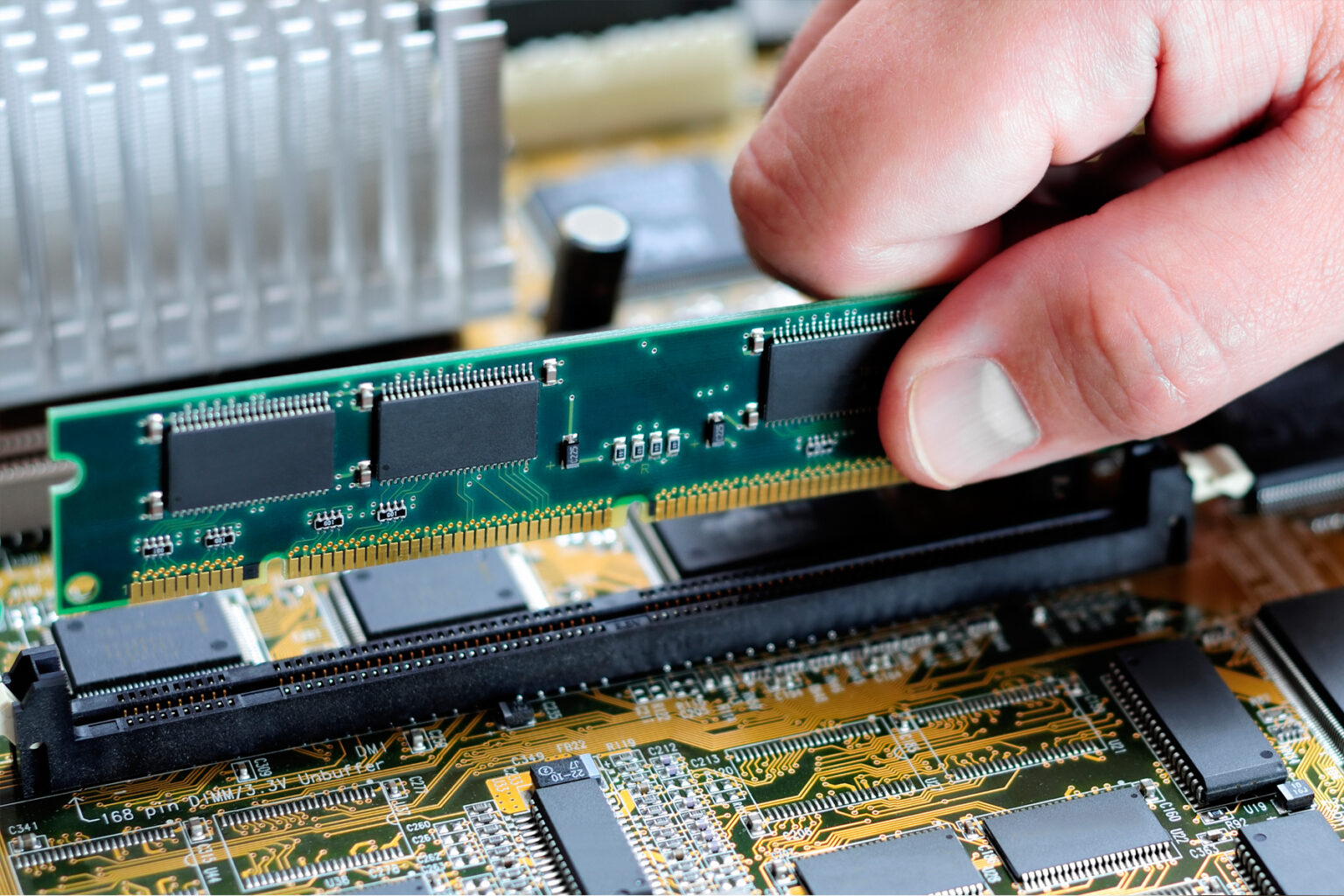
If the problem began immediately after installing a component, turn the computer off and disconnect power before inspecting it. Reseat a cable only if it is accessible and you are comfortable doing so. Opening a laptop or handling internal components can damage hardware and may affect warranty coverage; get professional help if unsure.
When to seek repair
Repeated restarts, unexpected shutdowns, a burning smell, unusual drive noises, or no display after testing another monitor can indicate a hardware fault. Power the device off if it appears damaged, and seek repair help. Once Windows starts normally, install updates through Windows Update and obtain drivers from the device or component manufacturer rather than relying on unknown driver-updater utilities.
Related Articles
 Fixing a computer that keeps restarting but doesn't display the BIOS screen
 Causes and How to Fix Computer Restarting Continuously
 What will happen when restarting the computer?
 Restarting, the age-old tech trick that still solves the latest problems
 The new update of Windows 10 caused the computer to blacken the screen after rebooting
 Steps to fix white screen error on Windows 10
Reader Comments 0
Sign in with email or Google to join the discussion.