Table of Contents
Turn on Night Shift Mode Manually
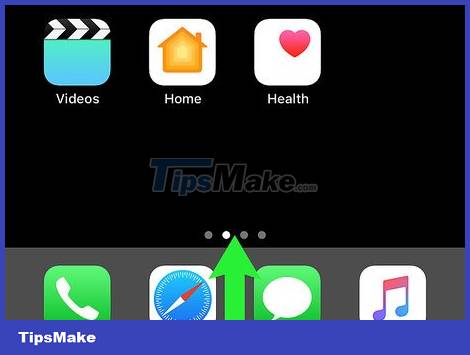
This practical guide explains how to enable night shift mode on iphone with clear steps and useful context. It also covers common requirements, potential problems, and the details that can help you get better results.
If Control Center isn't visible, you can swipe the screen up one more time.
Depending on each iPhone's setup, you may have to unlock the screen to access Control Center.
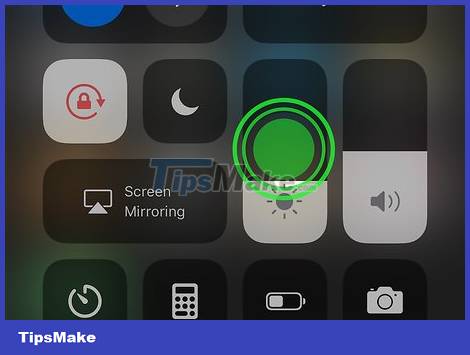
Click the "Brightness" bar. It's a vertical bar with a sun symbol (circle with rays around it). Press firmly for about a second to open the Brightness setting.
On iPhone 6s and later, you'll use 3D touch to open this setting; that means you have to press hard to open the Brightness setting.

Tap Night Shift. It's the circle at the bottom of the screen. The circle will turn orange and Night Shift mode will be on until midnight.
If the Night Shift circle has turned orange, Night Shift mode is on, and tapping the circle one more time will turn it off.
Night Shift mode will automatically turn off at midnight. If you want Night Shift mode to turn on and off on a specific schedule, you can schedule Night Shift to turn on.

Close Control Center. Press the Home button twice to do this. Your iPhone will display Night Shift mode until you actively turn it off or this mode turns itself off at midnight.
Schedule Night Shift Mode On

Open your iPhone's settings. Tap the square Settings icon with the gear inside.
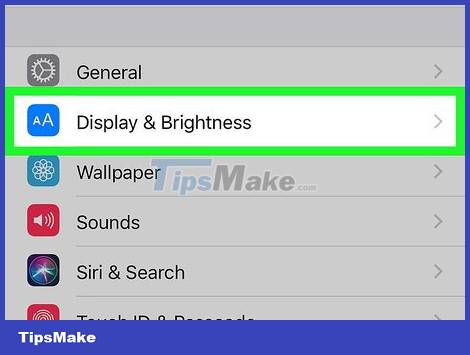
Scroll down and select Display & Brightness. You'll find this option under General at the top of the "Settings" page.
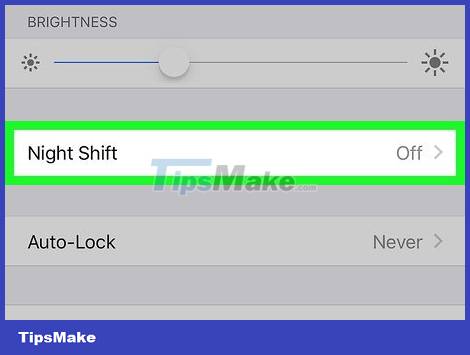
Tap Night Shift near the top of the page.
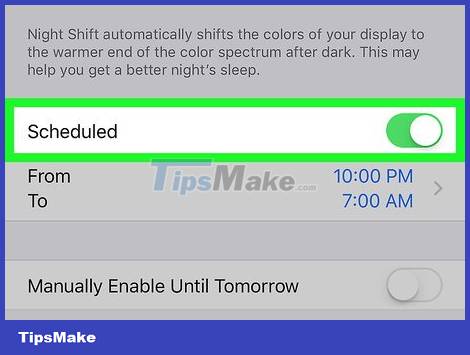
Tap the white icon next to "Scheduled" near the top of the page. Tapping will make the icon turn green, indicating a scheduled Night Shift mode.
If the slider is green, Night Shift mode is scheduled.
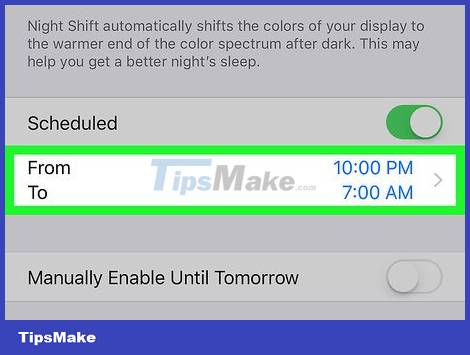
Tap the From To section below the green "Scheduled" slider. This opens another page with the scheduling option.
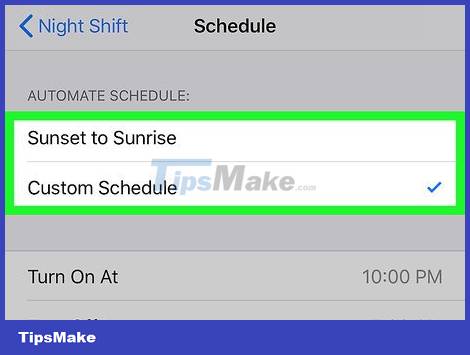
Select calendar. Choose Sunset to Sunrise to turn on Night Shift mode when the sun goes down and off at sunrise, or choose Custom Schedule to set a specific schedule.
To set a schedule for a specific time, you will select the time after tapping Turn On At Turn Off At.
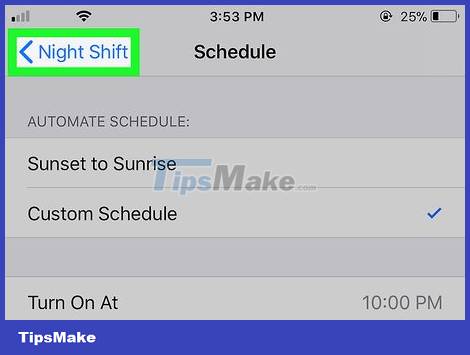
Tap Night Shift in the upper left corner of the screen. This will save and apply the changes. Your iPhone's Night Shift mode will now automatically turn on and off depending on the schedule you've selected.
You can adjust the intensity of Night Shift mode by touching and dragging the slider below "Night Shift" left to increase warmth or right to decrease warmth.
Conclusion
Understanding Night Shift makes it easier to compare options, avoid common mistakes, and apply the information in this guide more effectively. Review the relevant requirements before making changes or choosing a solution.
FAQ
How do you enable night shift mode on iphone?
Follow the steps in this guide in order, confirm the required settings or tools, and verify the result before making additional changes.
Is it safe to enable night shift mode on iphone?
It is generally safe when you follow the recommended instructions, use trusted tools, and avoid changing settings you do not understand.
What should you do if the process does not work?
Recheck the requirements, restart the device or application when appropriate, and review each step for missed settings or compatibility issues.
Related Articles
 How to Turn on Night Shift Night Mode on iOS 11 for iPhone5 minutes read
 Instructions for Activating Night Shift on iOS 9.35 minutes read
 How to Enable Night Mode on Android Nougat5 minutes read
 Can the Iphone's Night Shift Mode Be Damaging to User Health?3 minutes read
 How to Enable Night Shift on a Mac4 minutes read
 Enable to Limit Blue Light from PC and Mac Computer Screens to Protect Sleep - Did You Know?6 minutes read
Reader Comments 0
Sign in with email or Google to join the discussion.