Table of Contents
This updated guide examines Click: How to Edit Ubuntu Repositories and organizes the essential facts, background, and practical takeaways in clear American English.
Method 1of 2:
Disable and Enable "Ubuntu Software" Repositories
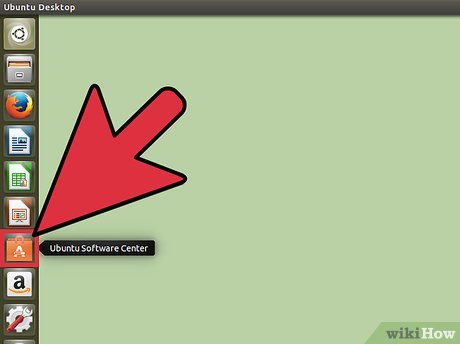 Open the Ubuntu Software center.
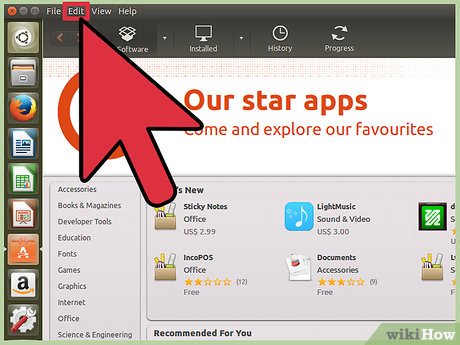 Click on "Edit". If you can't see it, try hovering over "Ubuntu Software center".
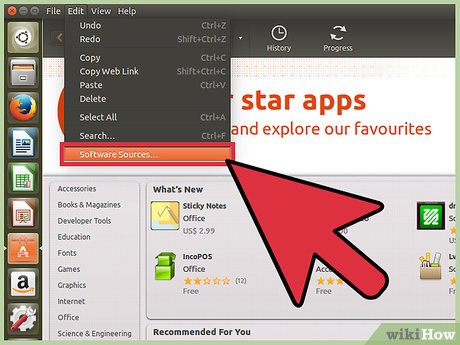 Click on "Software Sources. ..".
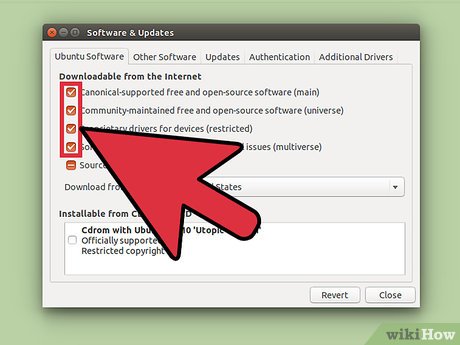 If you want to enable/disable "Ubuntu Software" Repositories, just check/uncheck the tick boxes to the right of each repository entry. A minus (-) like the default setting for "Source Code" means only part of it is enabled (by the way, source code means "let me download source code for all my "Ubuntu Software" repositories"). To add/remove/edit/enable/disable a different repository, continue to Method 2.
Method 2of 2:
Add/remove/edit/enable/disable "Other Software" Repositories
 Click "Other Software" to open the "Other Software" section
 Tick the check box next to a repository to enable the respective repository, and Vice Versa (uncheck the box to disable the repository).
 To remove a repository, click it's entry in the list and then click the button labeled "Remove".
 To add a CD, click "Add Volume. .." and Ubuntu will add the inserted disk. To add a regular repository click "Add..." and Paste or type in the APT Line into the text box. Then Press enter. After adding a repository, the Ubuntu Software center will start updating your local cache of software.
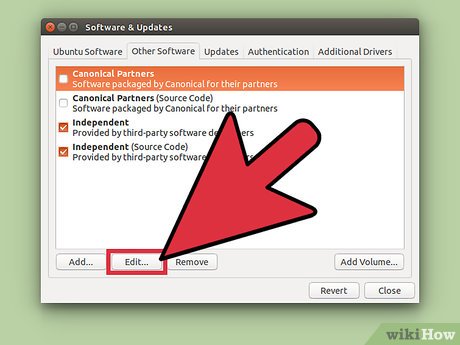 You can Edit an entry, but we recommend Removing it and then Adding it with the new details. However, if you really want to, click the entry and click "Edit. ..". You will then be greeted with a prompt to enter the Repository information.
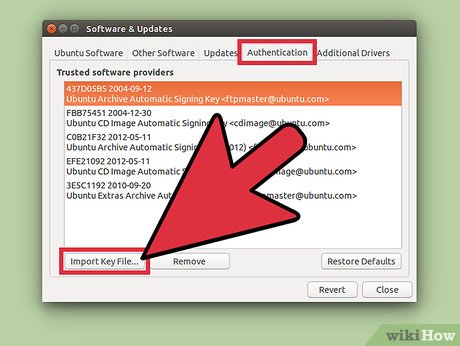 If you need to add a Signing Key, click on "Authentication". Then click on "Import Key File..." and select the file.
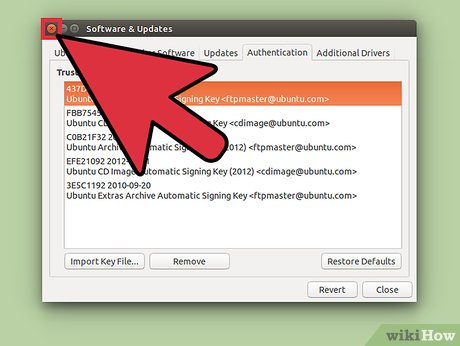 When you are done, click Close.
FAQ
What is Click: How to Edit Ubuntu Repositories about?
It provides a structured overview of click, explains the main context, and highlights practical takeaways for readers.
Why does this topic matter?
Understanding the main concepts helps readers evaluate the issue, avoid common mistakes, and make better-informed decisions.
How should readers use this information?
Use the guidance as a practical starting point, confirm details that may have changed, and follow current product, safety, or security recommendations.
Related Articles
 Click: How to Install Themes in Ubuntu8 minutes read
 What's New in Ubuntu 21.10?7 minutes read
 How to Install Steam on Linux6 minutes read
 Install on Ubuntu: How to Install Steam in Ubuntu5 minutes read
 How to Edit Configuration Files in Ubuntu6 minutes read
 Why Is Ubuntu LTS Preferred Over Regular Distros?6 minutes read
Reader Comments 0
Sign in with email or Google to join the discussion.