Table of Contents
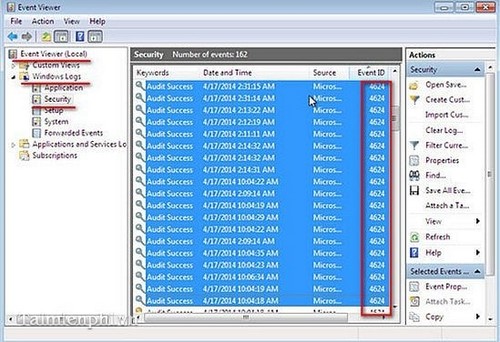
On a Windows PC you administer, open Event Viewer > Windows Logs > Security to see recorded sign-in events. Filter for 4624 for successful logons or 4625 for failed attempts. Check the event time, account, and logon type together. The event won’t tell you who was physically at the keyboard.
Check which logon events Windows records
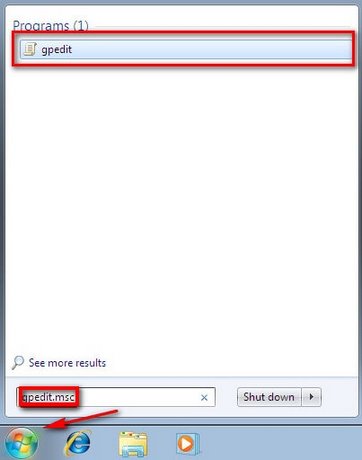
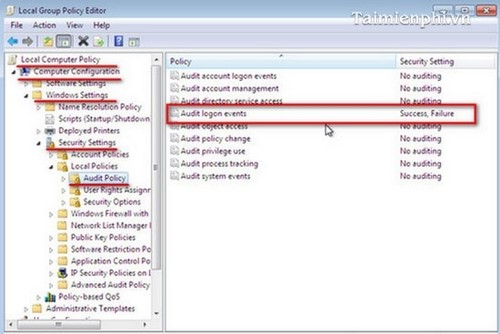
Open Local Group Policy Editor on a supported edition and go to Computer Configuration > Windows Settings > Security Settings > Local Policies > Audit Policy. Open Audit logon events and review whether success and failure are enabled. On a managed PC, let IT handle audit settings. Enabling auditing only affects future events.

Filter the Security log
- Open Event Viewer from Start and select Windows Logs > Security.
- Choose Filter Current Log and enter 4624, 4625 in the event ID field.
- Open a result near the time you were away. Check the account under New Logon for a successful event and read the Logon Type.

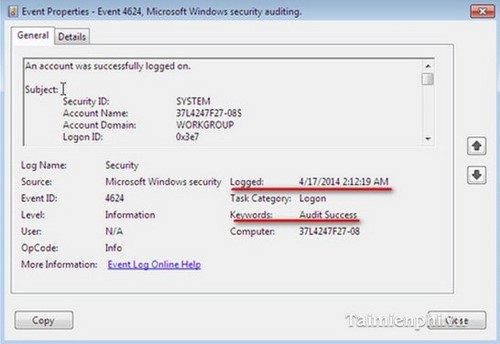
Type 2 is an interactive sign-in, 7 is an unlock, and 10 is a remote interactive sign-in. Type 3 represents network access, such as a file share. See Microsoft’s logon-type table for the rest.
If the PC was already unlocked, someone can use the existing session without creating a new sign-in event. Press Windows + L when stepping away or set Windows 11 to lock automatically.
Related Articles
 Instructions on how to not receive messages from strangers on Zalo
 How do I know if someone has accessed and used your computer?
 Forget about stalking your crush on Facebook with this new feature!
 How to Stop Message Requests from Strangers on Messenger
 How to block strangers from messaging on Threads
 ReIcon, the application that helps prevent strangers from tampering with software icons on the computer
Reader Comments 0
Sign in with email or Google to join the discussion.