Table of Contents
Use HTML to Create Content Structure
This practical guide explains how to create a popup using html, css and javascript with clear steps and useful context. It also covers common requirements, potential problems, and the details that can help you get better results.
On when the popup window is activated, a blur effect will appear on the background. Add the class to the section you use to select the method later in JavaScript.
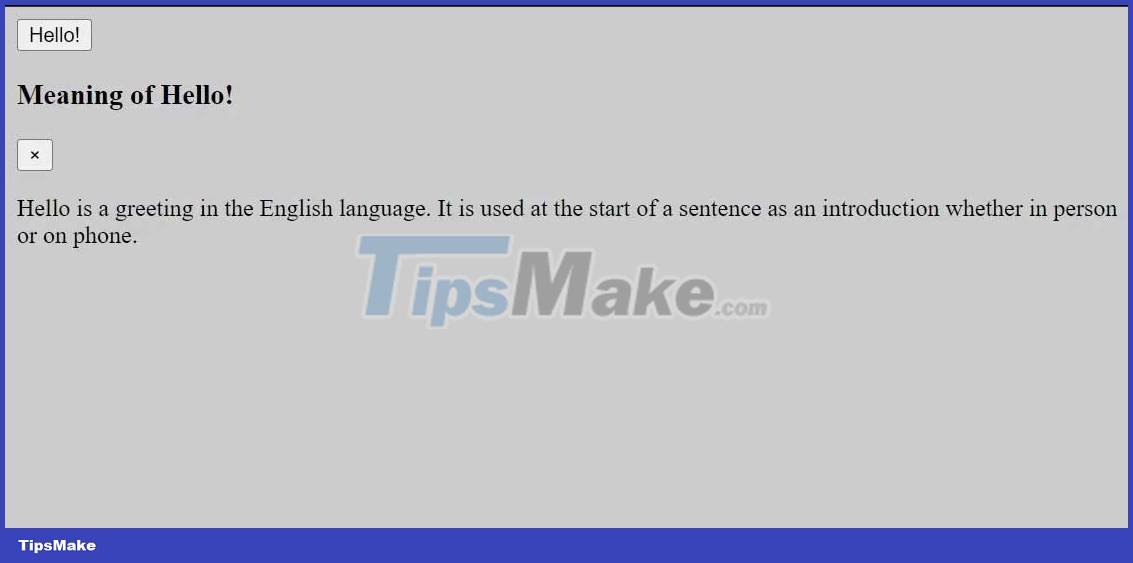
Meaning of Hello!
Hello is a greeting in the English language. It is used at the start of a sentence as an introduction whether in person or on the phone.
The page will appear like this:
Use CSS for Styling
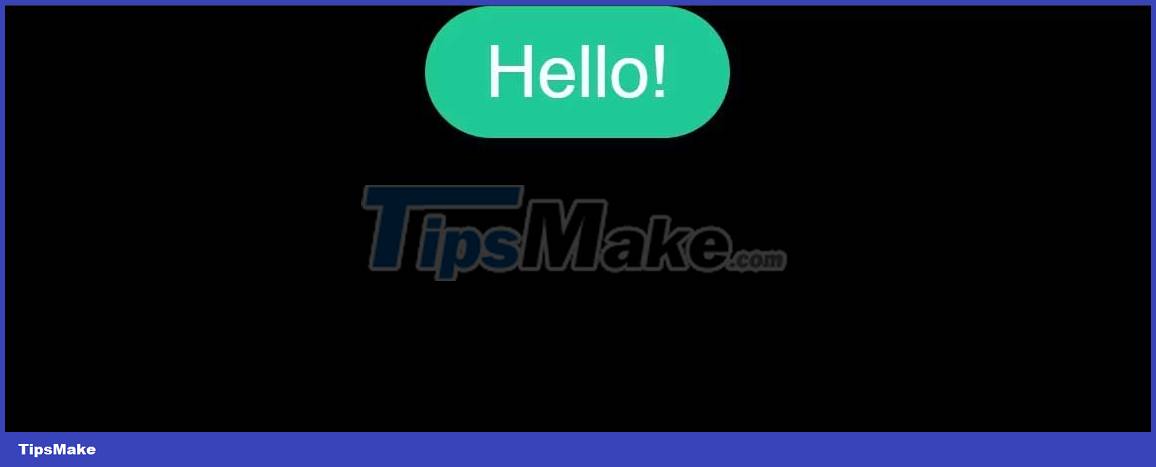
Use CSS to format the popup window. Place the window in the center of the web page on a black background, it will be clearly visible. You also need to style the window, background and font size.
First, create a uniform style for the entire page by setting margins, padding, and line-height. Then align the elements in the body to the center on the background.
* { margin: 0; padding: 0; box-sizing: border-box; line-height: 1; } body { height: 100%; display: flex; justify-content: center; flex-direction: column; align-items: center; background: #000; gap: 30px; }Next, create an open-modal button. Color the rest of the page differently so it stands out. Also, set font color, size, padding and transition time.
.open-modal { background: #20c997; color: #fff; border: none; padding: 20px 40px; font-size: 48px; border-radius: 100px; cursor: pointer; transition: all 0.3s; outline: none; } .open-modal:active { transform: translateY(-17px); }Then style the content that will appear when the window opens. Set a white background, set its length smaller than the body, and add padding.
Then give it a z-index, so that it appears in front of the open-modal button. Also, setting hidden-modal is now none. It will stay hidden until you activate it.
.modal-content { background: #ccc; width: 500px; padding: 20px; border-radius: 10px; z-index: 99; } .modal-header { display: flex; justify-content: space-between; margin-bottom: 16px; color: #000; font-size: 30px; } .modal-body p { font-size: 22px; line-height: 1.5; } .hidden-modal { display: none; }Then style the close-modal button with a transparent background and align it to the center.
.close-modal { background: transparent; border: none; display: flex; align-items: center; justify-content: center; height: 20px; width: 20px; font-size: 40px; } .close-modal:hover { color: #fa5252; }Finally, style the blur element, which will appear in the background when the window opens. It will have a maximum height and width with the same background filter. Set the opacity to none so it won't show until the window opens.
.blur-bg { position: absolute; top: 0; left: 0; height: 100%; width: 100%; background: rgba(0, 0, 0, 0.3); backdrop-filter: blur(5px); } .hidden-blur { display: none; } After adding the CSS, the page should look like this:
Control Popups with Javascript Code
You will use JavaScript to open and close the popup window by showing or hiding it. Add an event listener to the button click to trigger it to open & close when you click it.
First, select the related elements using the CSS class you defined in the HTML:
let modalContent = document.querySelector(".modal-content"); let openModal = document.querySelector(".open-modal"); let closeModal = document.querySelector(".close-modal"); let blurBg = document.querySelector(".blur-bg");Add an event listener to the open-modal click button so that it opens the window when you click it.
openModal.addEventListener("click", function () { modalContent.classList.remove("hidden-modal"); blurBg.classList.remove("hidden-blur"); });Take the opposite actions to handle closing the popup, but for now, wrap them in a named function. This action will handle the behavior for multiple events that can cause the popup window to close.
let closeModalFunction = function () { modalContent.classList.add("hidden-modal") blurBg.classList.add("hidden-blur") }Add event listeners to handle background or close button clicks. In this case, the user presses the Escape key.
blurBg.addEventListener("click", closeModalFunction); closeModal.addEventListener("click", closeModalFunction); document.addEventListener("keydown", function (event) { if (event.key === "Escape" && !modalContent.classList.contains("hidden") ) { closeModalFunction(); } });Now when I click the Hello! , popup will appear. You can close it by clicking the cancel button on the right side of the window.
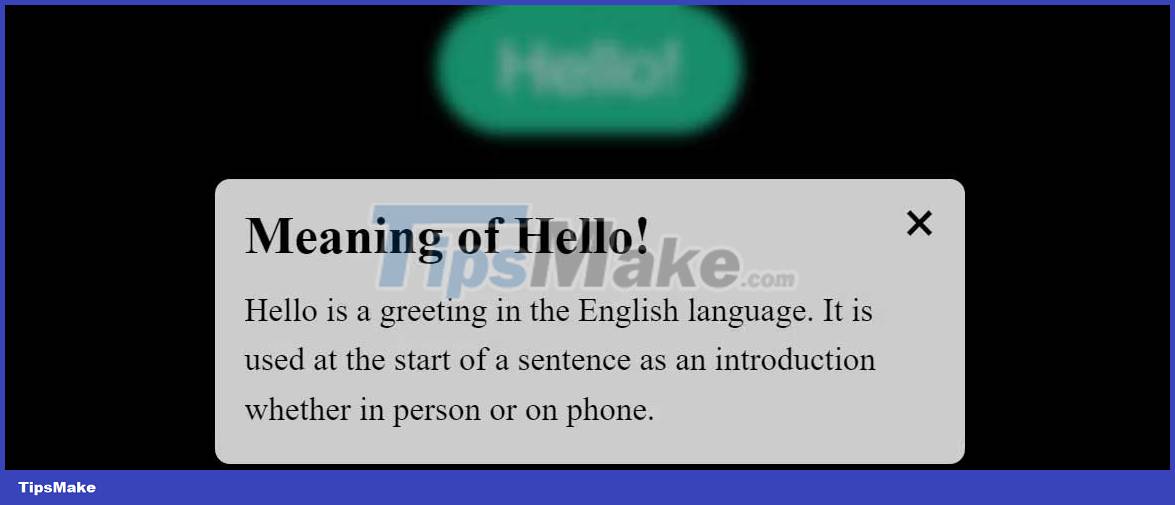
It's done! Hope the article is useful to you.
Conclusion
Understanding Create Popup makes it easier to compare options, avoid common mistakes, and apply the information in this guide more effectively. Review the relevant requirements before making changes or choosing a solution.
FAQ
How do you create a popup using html, css and javascript?
Follow the steps in this guide in order, confirm the required settings or tools, and verify the result before making additional changes.
Is it safe to create a popup using html, css and javascript?
It is generally safe when you follow the recommended instructions, use trusted tools, and avoid changing settings you do not understand.
What should you do if the process does not work?
Recheck the requirements, restart the device or application when appropriate, and review each step for missed settings or compatibility issues.
Related Articles
 How to Make PIN Pad Using HTML CSS & JavaScript: Step-by-Step Guide6 minutes read
 JavaScript in HTML: What You Need to Know2 minutes read
 JavaScript Location in HTML File1 minutes read
 Syntax of JavaScript1 minutes read
 How to Create a Simple Contact Form Using HTML, CSS, and JavaScript: Clear6 minutes read
 How to Create an Interactive Timeline Using CSS and JavaScript: Practical Guide7 minutes read
Reader Comments 0
Sign in with email or Google to join the discussion.