Table of Contents
Server

This practical guide explains how to check php version on server with clear steps and useful context. It also covers common requirements, potential problems, and the details that can help you get better results.
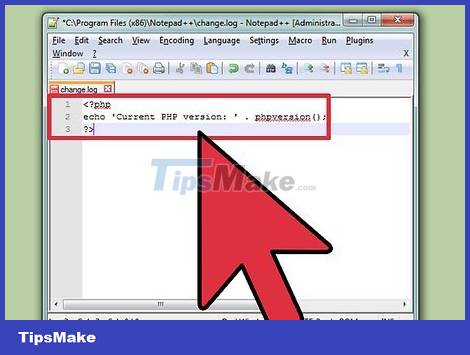
Enter the following code. When run on your server, this little code will return PHP's version information.
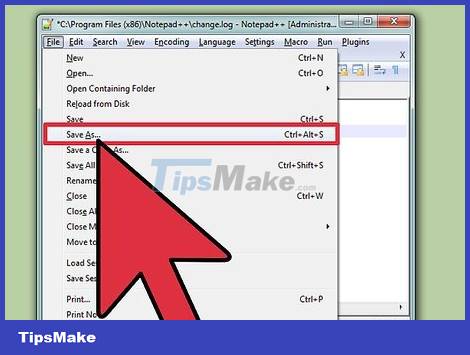
Save as PHP file. Click "File" → "Save as" and give the file a name. Add the.php extension to the end of the name. Choose a simple name, such as version.php.
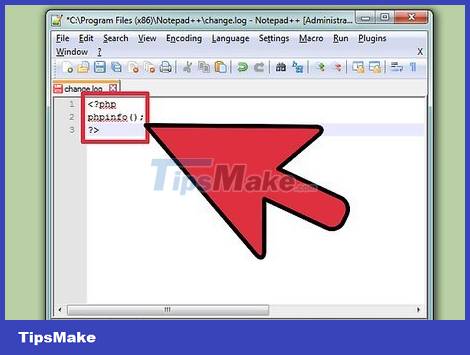
Generate a more detailed report (optional). The file above will tell you what the current version of PHP is. However, if you want more information, such as system information, release date, available commands, API information, etc. you can use the phpinfo() command. Save the file with the name info.php.

Upload your file(s) to the server. You will probably have to use an FTP client program. You can also get it through your server's admin console. Leave the file in the root directory of your server.
Refer to the article on how to upload files to your server.
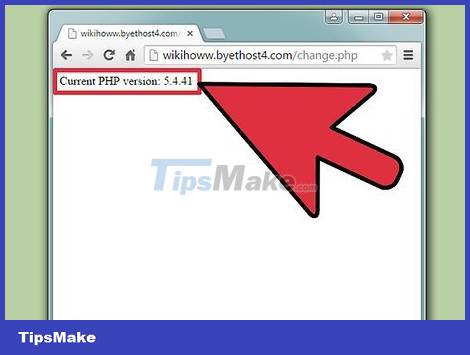
Open the file in your browser. Once the files have been uploaded to the server, you can use your browser to upload them. Find the file location on the server. For example, if you leave them at the root of your domain, go to www.yourdomain.com/versions.php.
To view the full data, go to www.yourdomain.com/info.php.
Local PHP Version

Open Command Prompt or Terminal. If PHP is installed locally, you can use Command Prompt or Terminal to check the version number. You can also do it this way if you use SSH to make a remote connection to the server via the command line.
Windows – Press ⊞ Win+R and type cmd.
Mac – Open Terminal from the Utilities folder.
Linux – Open Terminal from the desktop or by pressing Ctrl+Alt+T.
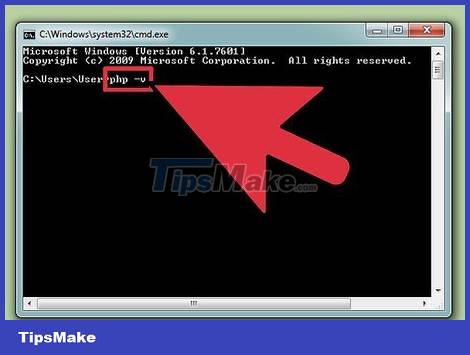
Enter the command to check the version number of PHP. When running the command, the installed PHP version will be displayed.
Windows, Mac, Linux - php -v
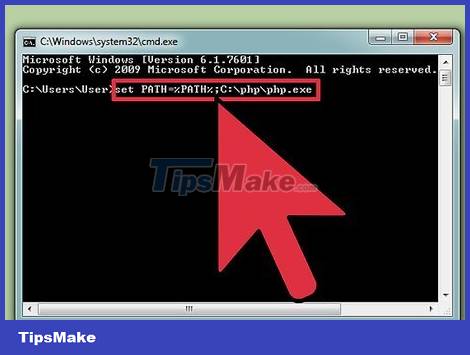
Fix version number not appearing on Windows. A common problem for Windows users is that PHP is not in the system path, hence the message 'php.exe' is not recognized as an internal or external command, operable program or batch file (not recognized as an internal or external command, operable program or batch file). can determine whether 'php.exe' is an internal or external command, a workable program or a batch file).
Find your php.exe file location. It's usually C:/php/php.exe, but you may have changed it during installation.
Type set PATH=%PATH%;C:/php/php.exe and press ↵ Enter. Change its actual location if it's not currently in this location.
Run php -v again. You will now see the version number.
Conclusion
Understanding Check PHP Version makes it easier to compare options, avoid common mistakes, and apply the information in this guide more effectively. Review the relevant requirements before making changes or choosing a solution.
FAQ
How do you check php version on server?
Follow the steps in this guide in order, confirm the required settings or tools, and verify the result before making additional changes.
Is it safe to check php version on server?
It is generally safe when you follow the recommended instructions, use trusted tools, and avoid changing settings you do not understand.
What should you do if the process does not work?
Recheck the requirements, restart the device or application when appropriate, and review each step for missed settings or compatibility issues.
Related Articles
 How to Check the PHP Version6 minutes read
 Version Function in SQL Server: Check Version Information in SQL2 minutes read
 How to Check Php Version4 minutes read
 6 Ways to Check Which DNS Server Is Being Used in Windows 117 minutes read
 MS SQL Server: Check Constraints in SQL Server5 minutes read
 How to Check the Version of Excel in Use: Check the Office Version4 minutes read
Reader Comments 0
Sign in with email or Google to join the discussion.