Table of Contents
This updated guide examines How to Change the Folder to Save the Default Word File and organizes the essential facts, background, and practical takeaways in clear American English.
- How to change the default save file format in Word, Excel and Powerpoint 2016?
- How to get overwritten Word files
- Restore default settings in Word, Excel 2003, 2007, 2010, 2013
- How to reduce the size of the Word file
1. Change the folder to save Word 2007 files and below
Step 1:
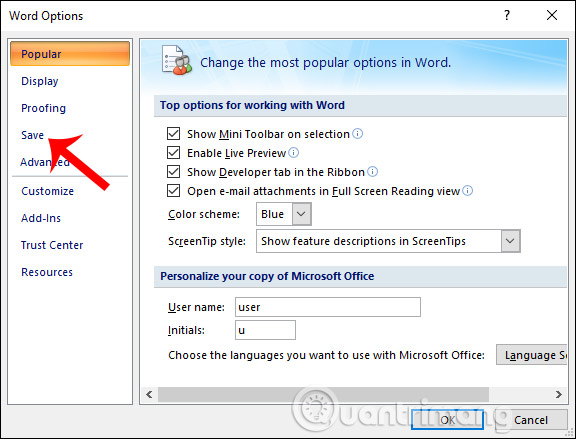
At Word interface, click on the Office icon and select Word Options .

Step 2:
Display the interface of setting items in Word, users click on the Save to change the Word saving settings.
Step 3:
Switch to the interface next to you navigate to the Default file location and will find the default folder where Word files are stored is Documents. To change to another directory, click the Browse button .

Step 4:
Display the folder on your computer so you can navigate to another default folder where you want to save the Word file. Click the folder you want to select and then click OK to select a new folder.

As a result, you will see the new folder is set as the default folder when saving the Word file. Finally click OK below to save.

2. How to change the directory to save Word 2010 and above files
Step 1:
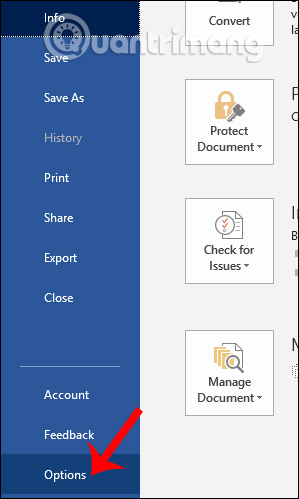
At the interface on Word, click File, then switch to the new interface, click Options below.
Step 2:
Also displaying the interface of setting items on Word, we click on Save and then look to the right to find Default local file location and click the Browse button to change the default folder, not the Document folder anymore.

So we know how to change the default folder to save Word 2007 files or lower and Word 2007 onwards. In addition, in the Save section, there is the option to change the folder to save the restored Word file and draft Word file.
I wish you successful implementation!
FAQ
What is How to Change the Folder to Save the Default Word File about?
It provides a structured overview of change folder to save word file, explains the main context, and highlights practical takeaways for readers.
Why does this topic matter?
Understanding the main concepts helps readers evaluate the issue, avoid common mistakes, and make better-informed decisions.
How should readers use this information?
Use the guidance as a practical starting point, confirm details that may have changed, and follow current product, safety, or security recommendations.
Related Articles
 How to Change the Folder to Save the Default Excel File3 minutes read
 Instructions to Change the Default File Explorer Folder3 minutes read
 How to Change the Default Name 'New Folder' of a Newly4 minutes read
 4 Steps to Change the Default Download Folder on Coc Coc3 minutes read
 How to Set the Default Name of a Newly Created Folder5 minutes read
 How to Change the Default Icon on Windows 107 minutes read
Reader Comments 0
Sign in with email or Google to join the discussion.