Table of Contents
This updated guide examines How to Change Laptop Volume in Windows and organizes the essential facts, background, and practical takeaways in clear American English.
Method 1of 2:
Configuring Sound on Windows 8
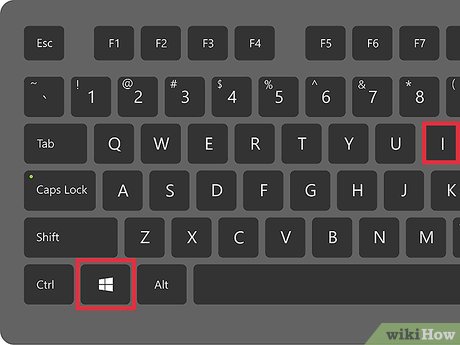 Press the WINKEY + I combination keys. This will bring up the "Settings" pane.
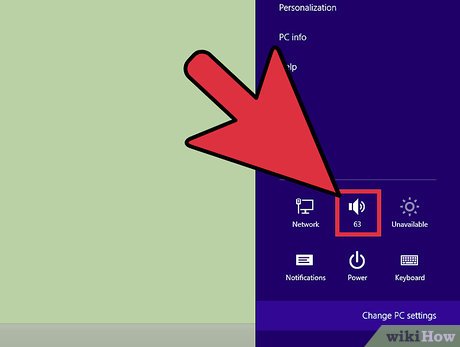 Click on the "Volume" icon on the "Settings" pane. A pop-up window will appear where you can adjust the volume slider control.
- After adjusting your volume setting, click anywhere on the screen to close the volume control with your settings saved.
Method 2of 2:
Configuring Sound on Windows 7
 Click on the "Volume" icon on the notification area. The notification area is located at the lower right-hand portion of the screen. A pop-up window will appear where you can adjust the volume slider control.
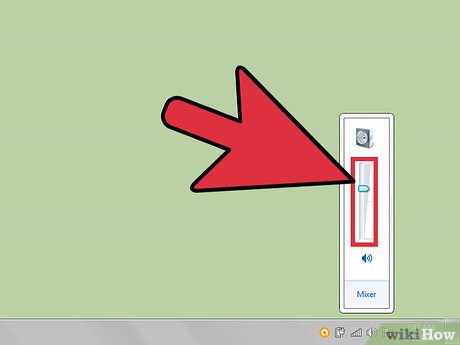 Adjust your volume setting. Just slide the bar up for louder sounds and down for quieter sounds.
- After choosing your volume setting, click anywhere on the screen to close the volume control with your settings saved.
- If you have different applications running and want to change the volume of a specific application, click on Mixer. This opens a new window where all the applications which are sending out sounds will be shown. Increase or decrease the volume with the slider, and close the window when ready.
FAQ
What is How to Change Laptop Volume in Windows about?
It provides a structured overview of volume, explains the main context, and highlights practical takeaways for readers.
Why does this topic matter?
Understanding the main concepts helps readers evaluate the issue, avoid common mistakes, and make better-informed decisions.
How should readers use this information?
Use the guidance as a practical starting point, confirm details that may have changed, and follow current product, safety, or security recommendations.
Related Articles
 How to Change Volume on Mac: Practical Guide4 minutes read
 How to Increase Laptop Volume in Windows 105 minutes read
 How to Change the Volume Control Interface on Windows 102 minutes read
 7 Ways to Fix Low Volume in Windows 108 minutes read
 How to Increase Your Volume on a Computer: Step-by-Step6 minutes read
 5 Extremely Simple Ways to Increase Laptop Volume When Speakers Are Too Low10 minutes read
Reader Comments 0
Sign in with email or Google to join the discussion.