Table of Contents
This article provides a clear overview of Common Keyboard Shortcuts for Browsers, with the main facts, useful context, and practical details organized for easy reading.
These shortcuts will help you a lot when browsing the web on web browsers that you should know.
Working with Tab

Ctrl +1 - 8: Switch tabs in sequence, counting from left tab.
Ctrl + 9: Go to the last tab.
Ctrl + Tab: Switch from the current tab to the next tab (right tab).
Ctrl + Shift + Tab: Undo a tab from the current tab (the tab immediately to the left).
Ctrl + W / Ctrl + F4: Close the tab that is currently being reviewed.
Ctrl + Shift + T: Restore the recently closed tab.

Ctrl + T: Open a new tab.
Ctrl + N: Open a new browsing window.
Alt + F4: Close the currently used browser window.
Working with the Mouse on the Tab
Select the middle mouse on the tab: Close the current tab.
Ctrl + select left mouse button / select middle mouse: Open the link in a new tab, the browser is still in the current tab.
Shift + left mouse button: Open a link in a new window, the browser switches to a new window.
Ctrl + Shift + left mouse button: Open a link in a new tab and the browser will move to that tab.
Directional
Alt + left arrow / press the Backspace button: Return to the previous webpage.
Alt + right arrow / press Shift + Backspace: Reopen page before returning.
F5: Reload the current page.
Ctrl + F5: Reload the page and skip the cache, reload the entire current web page.
Escape (Esc): Stop reloading.
Alt + Home: Open the homepage.

Maximize / Minimize Current Web Page
Ctrl and + / Ctrl + mouse cursor: Zoom into the web.
Ctrl and - / Ctrl + scroll down: Minimize web.
Ctrl + 0: Return to the default mode of the site.
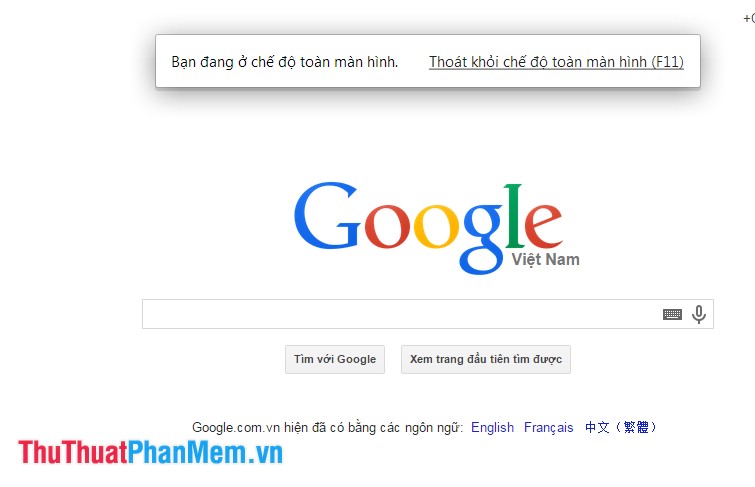
F11: Open the current web page in full screen mode.
Move / Scroll Pages
Space / Page Down: Scroll the web page down one paragraph.
Shift + Space / Page up: Scroll web page up one paragraph.
Home: Moves the web page to the top of the page.
End: Moves the web page to the bottom of the page.
Select the middle mouse: Scroll the website up and down by scrolling the mouse.
The Web Address Bar
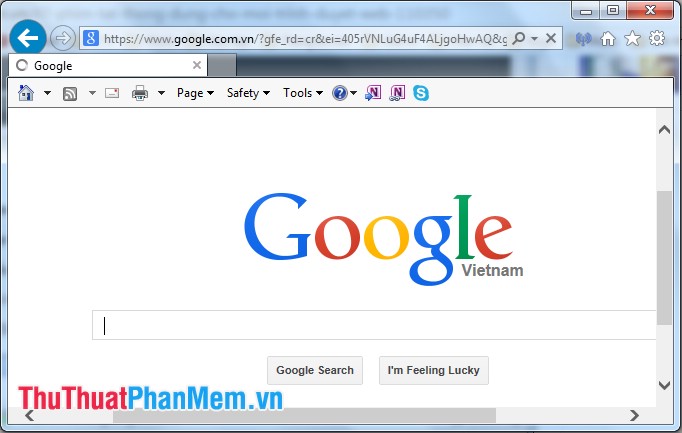
Ctrl + L / Alt + D / F6: Highlight the web address in the address bar.
Ctrl + Enter: After entering the website address, this key combination will add the prefix "www" and the suffix ". com" to the address and load the web page.
Alt + Enter: Open the web page in the address bar in a new tab. You need to put the mouse on the address bar and then press this key combination.
Search
Ctrl + K / Ctrl + E: The mouse cursor moves to the search box, if the browser does not have the search box the mouse pointer will move to the web address bar.
Alt + Enter: Search in a new tab.
Ctrl + F / F3: Open the search box right on the web page.
Ctrl + G / F3: Move to the next search result in the web page.
Ctrl + Shift + G / Shift + F3: Move to the previous search result.

Browsing History and Bookmark
Ctrl + H: Open browsing history, if the current tab is a web page, the browsing history will be opened in a new tab. If the current tab is a new tab, the browsing history will open in the current tab.
Ctrl + J: Open download history page.
Ctrl + D: Bookmark the current web page.
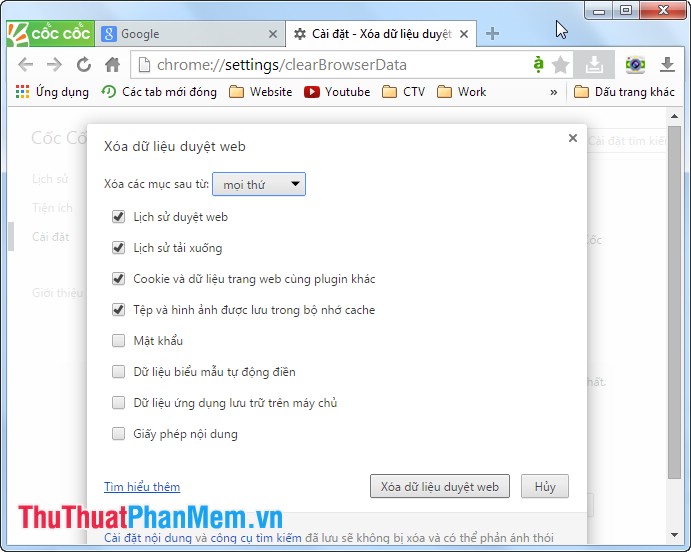
Ctrl + Shift + Del: Open a window to clear browsing history.
Other Functions
Ctrl + P: Print the current web page.
Ctrl + S: Save the current web page on your computer.
Ctrl + O: Open the file from the computer.
Ctrl + U: Open source of current web page (not applicable IE).
F12: Open web development tools, usually for programmers.
With the above keyboard shortcuts, hope to help you.
FAQ
What is the main focus of Common Keyboard Shortcuts for Browsers?
The article explains the most important facts, context, and practical details related to Common Keyboard Shortcuts for Browsers.
Who may find this information useful?
It is useful for readers who want a clear overview, practical context, and a better understanding of the subject.
What should readers verify before taking action?
Check current product versions, official requirements, regional availability, and any details that may have changed since the original publication.
Related Articles
 47 Common Keyboard Shortcuts for All Web Browsers5 minutes read
 Keyboard Shortcuts in Visual Studio - All Common Keyboard Shortcuts in6 minutes read
 Common Google Slides Keyboard Shortcuts2 minutes read
 Summary of Common Keyboard Shortcuts in Windows3 minutes read
 30 Shortcuts for IE, Firefox and Google Chrome: Shortcuts on Chrome3 minutes read
 Command: How to Use Keyboard Shortcuts11 minutes read
Reader Comments 0
Sign in with email or Google to join the discussion.