Table of Contents
Start with Spotify’s streaming quality and data settings. On Wi-Fi, choose a higher quality if your connection and listening setup suit it. On mobile data, use a lower setting if you have a limited allowance. Then decide whether you want steadier volume, a different tonal balance, or smoother track transitions.
1. Set streaming and download quality separately
In the Spotify mobile app, open your profile menu and go to Settings and privacy > Media Quality. Choose quality separately for Wi-Fi, mobile data, and downloads where available. On desktop, open Settings and look for Audio quality. Automatic adjusts quality for the current connection. According to Spotify’s quality guide, supported Premium apps offer Very High and Lossless. Check what appears on your device. Some screenshots below show an earlier settings layout.
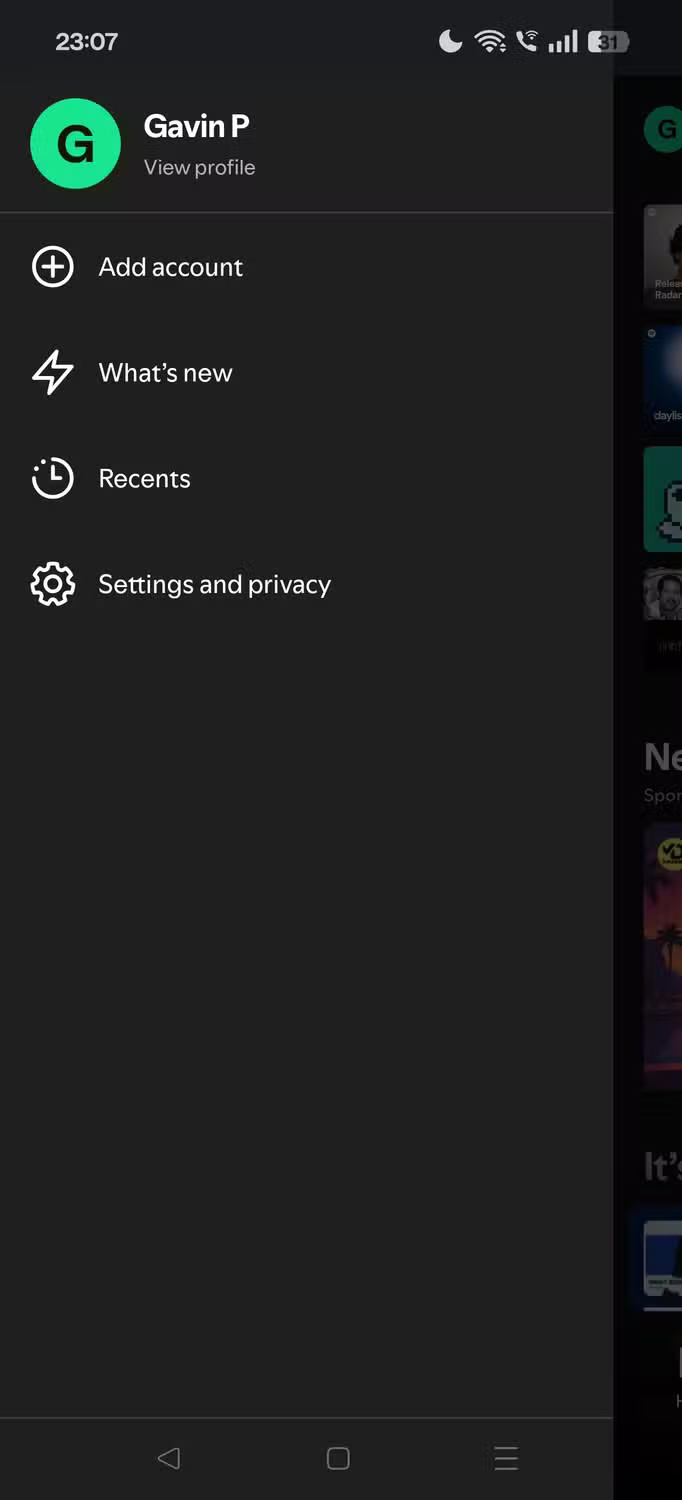
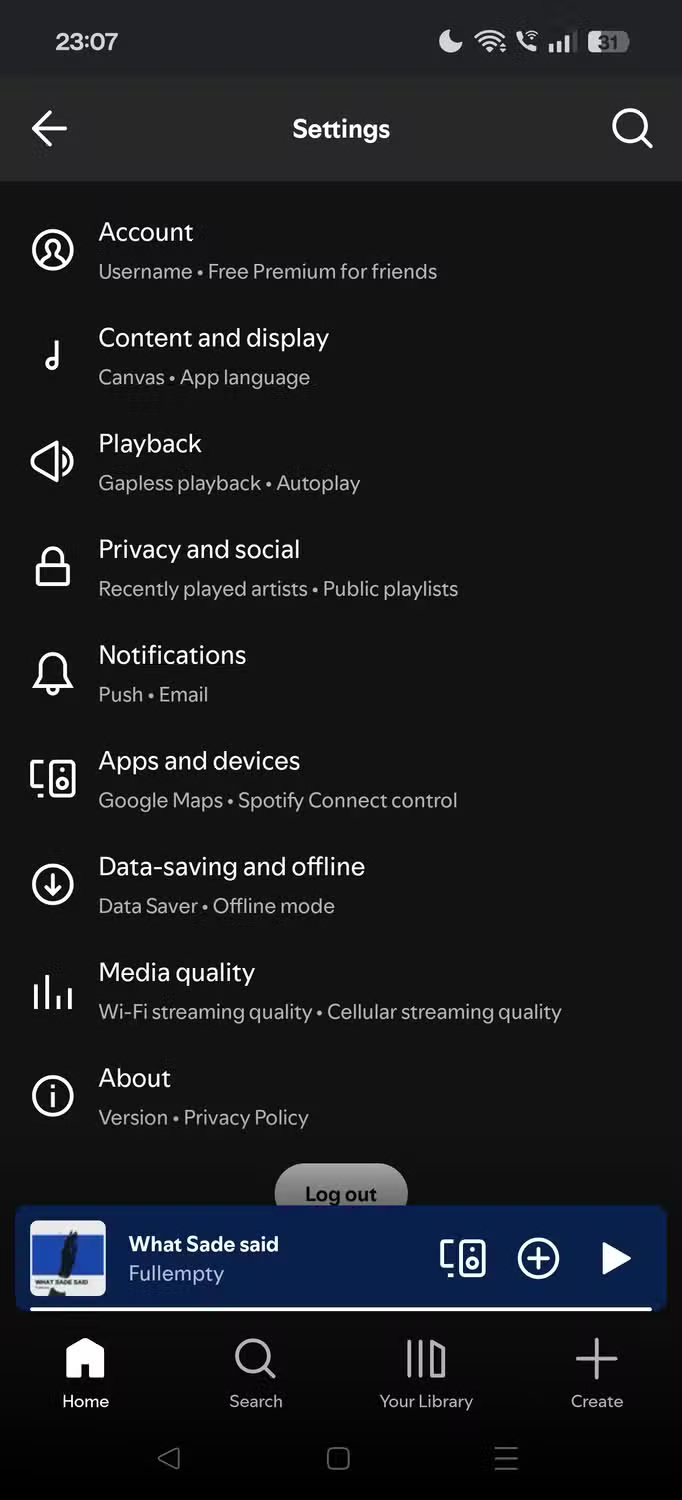
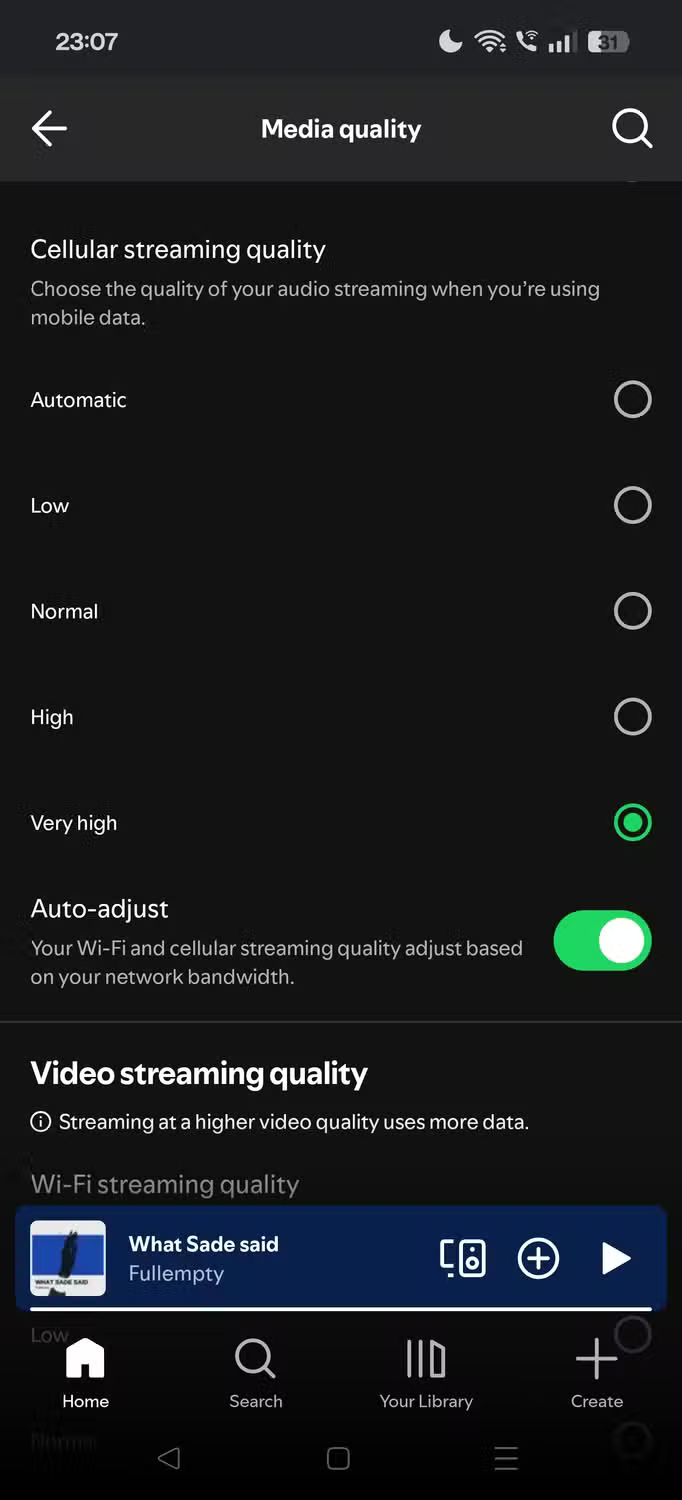
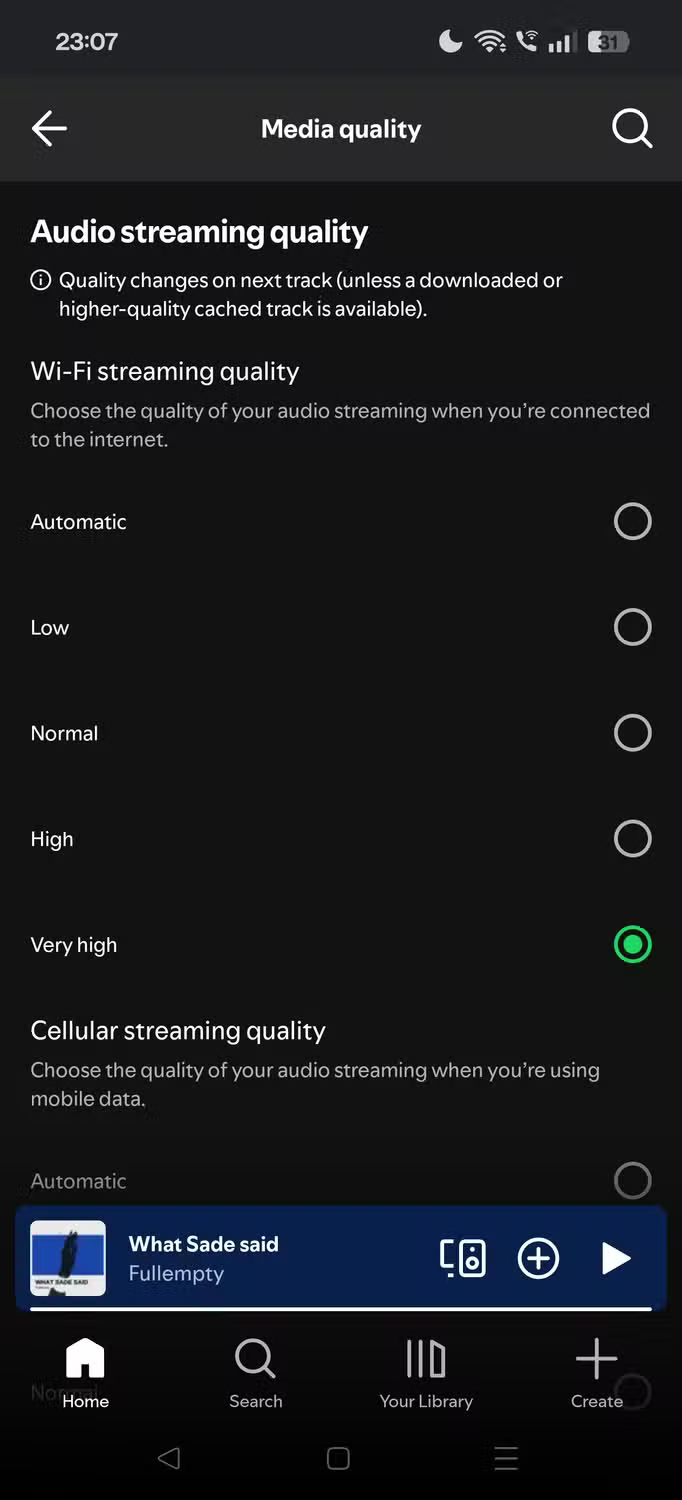
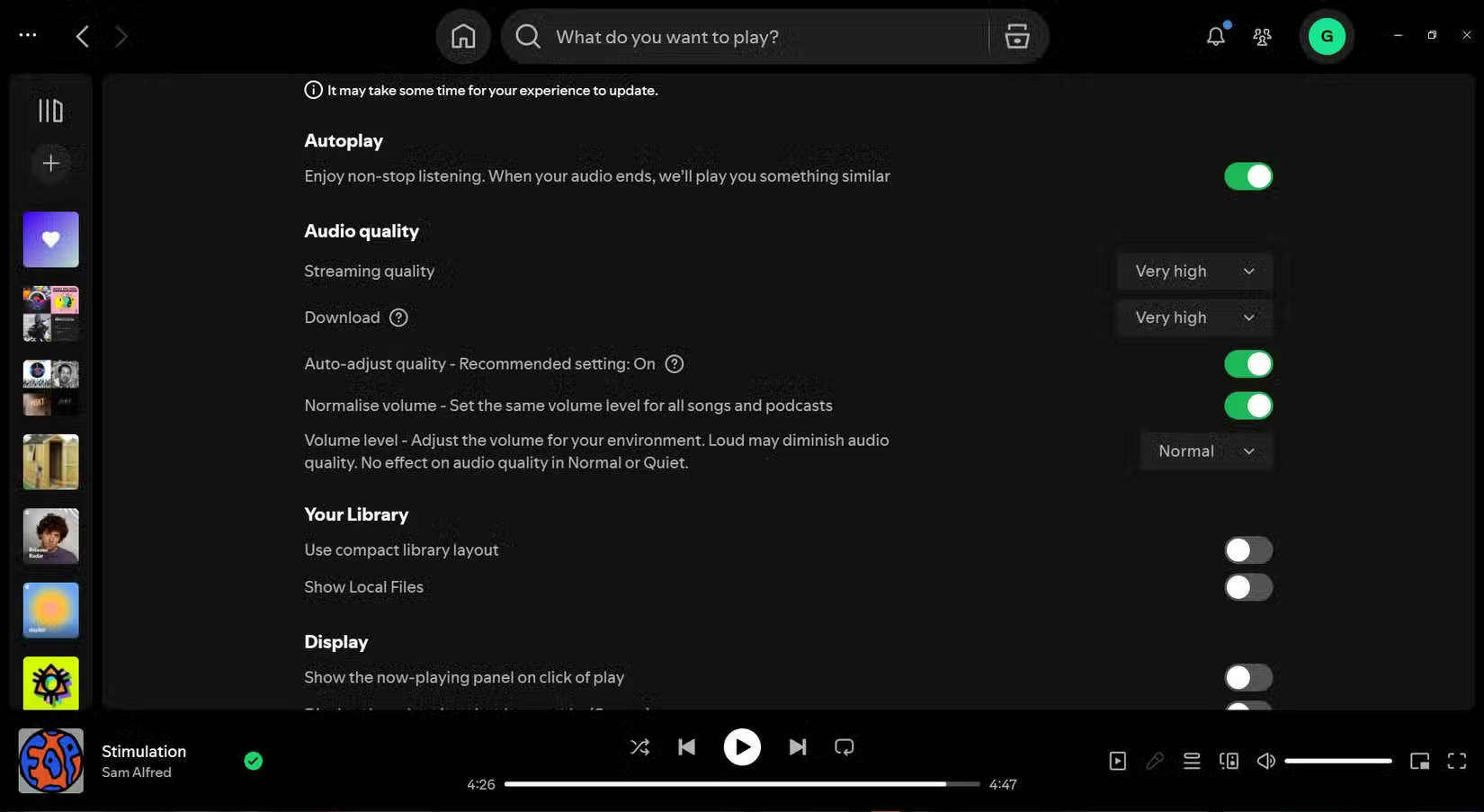
Higher-quality streams use more data and higher-quality downloads take more space. Try the same track at a matched volume before increasing quality across every device. If you use AirPods Pro, check the fit and sound settings too.
2. Use volume normalization for mixed playlists
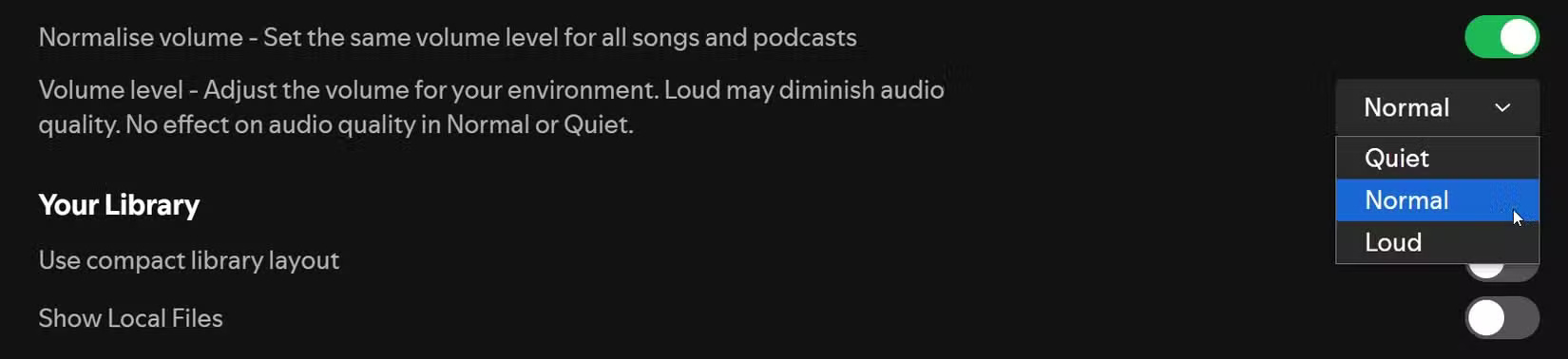
Enable normalization if tracks from different albums jump noticeably in loudness. If your app offers Loud, Normal, and Quiet, start with Normal and adjust the listening level on your device. Normalization is a playback adjustment. It does not cap the volume you set.
3. Make small equalizer adjustments
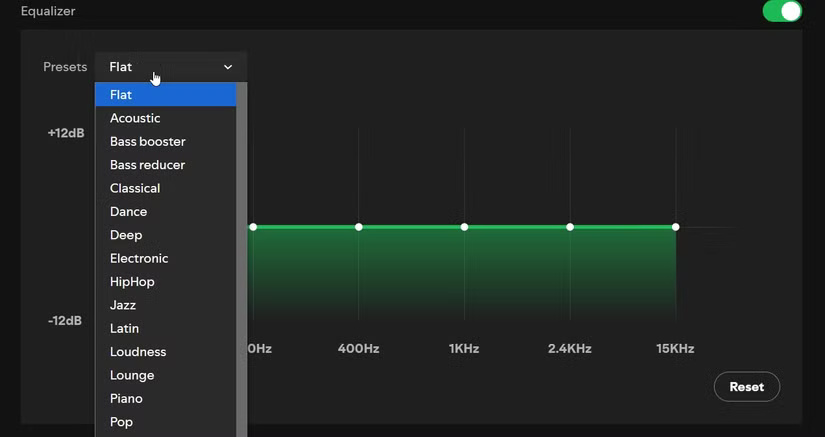
Look for Equalizer under playback or audio settings on supported devices. Start flat, change one band slightly, then compare using a familiar song. Try a small bass cut if vocals sound muffled. If a setting makes parts of the song harsh or muddy, return to flat. Availability varies with the device.
4. Choose crossfade or gapless playback
Crossfade overlaps the end of one track with the start of the next. Try a short overlap for mixed playlists. Gapless playback plays adjacent tracks without inserting silence, which suits live recordings and albums with tracks that already flow together. For those albums, try gapless playback with crossfade off. See Spotify’s transition settings for device and Spotify Connect limits.

5. Keep mobile data use under control
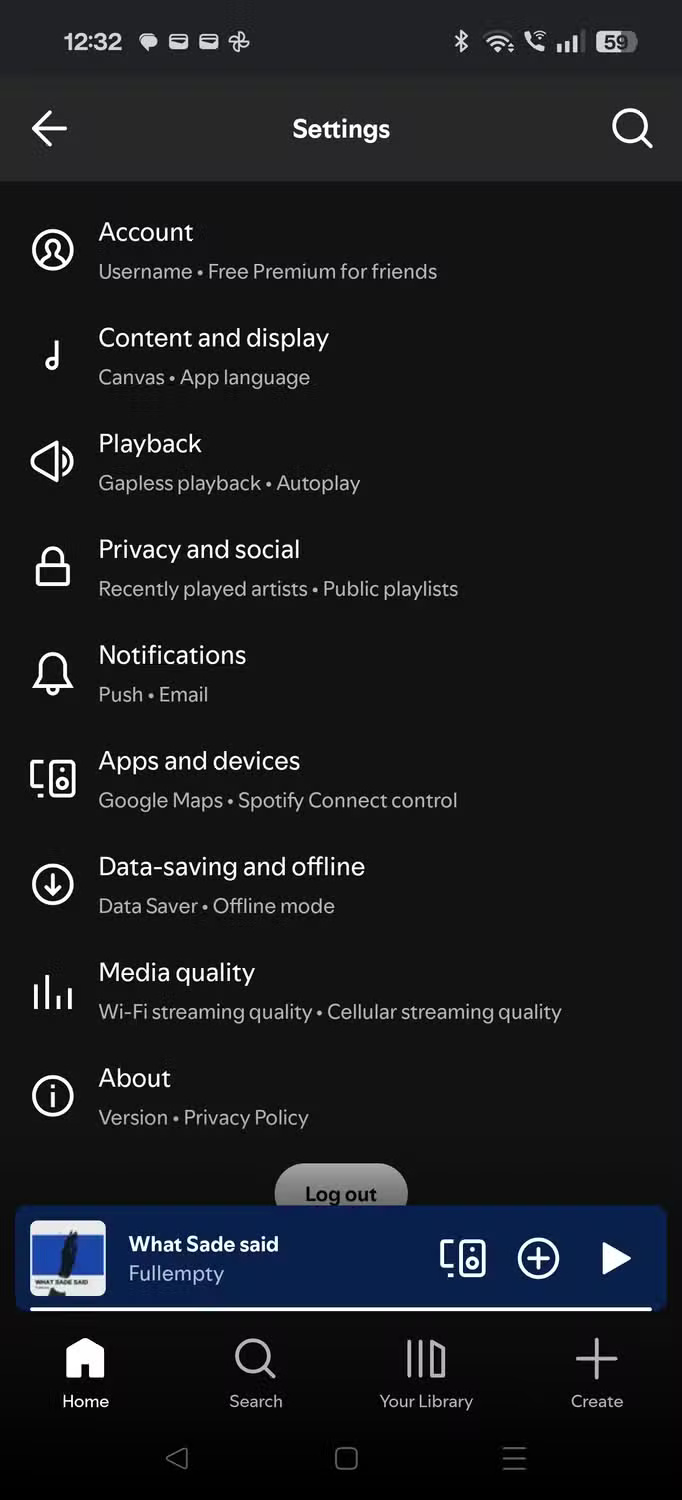
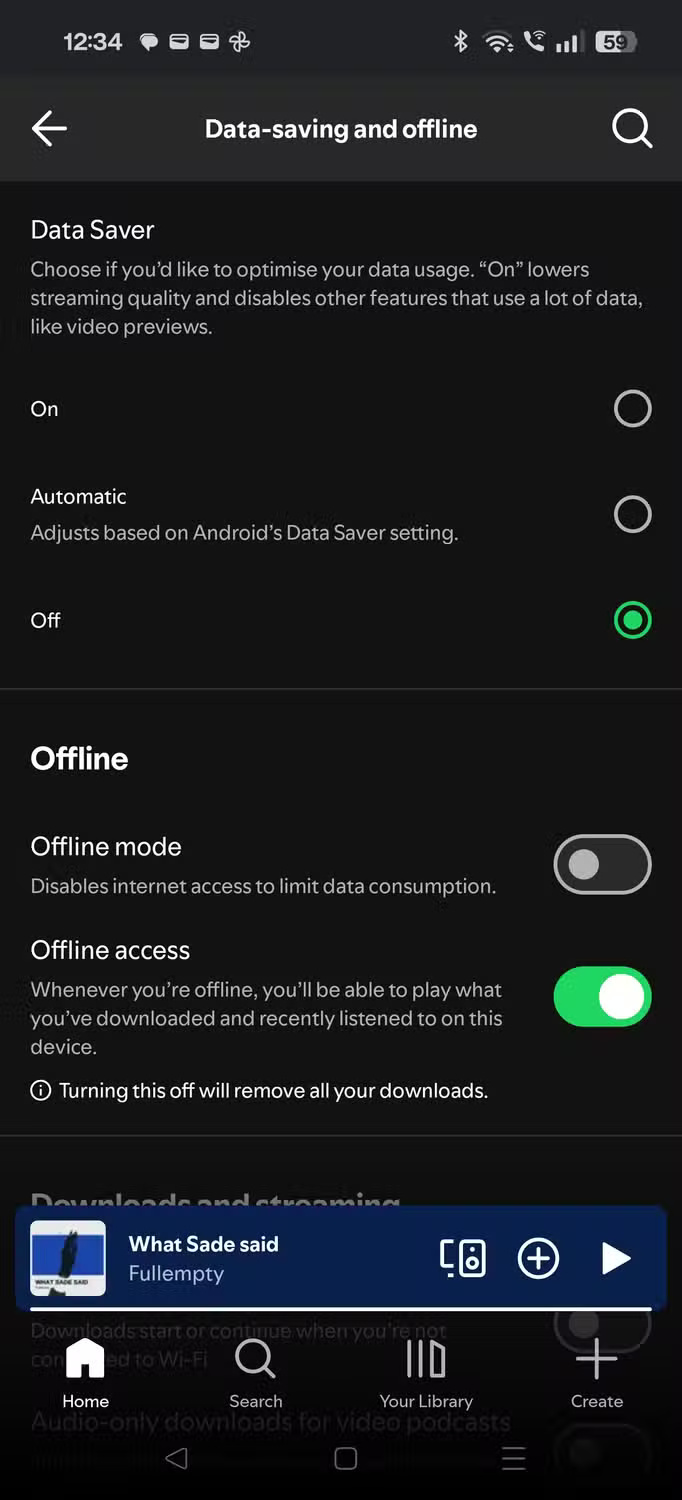
On your phone, go to Settings and privacy > Data-saving and offline. Turn on Data Saver if you need to cut usage and can accept lower audio quality. With Premium, you can download music on Wi-Fi and turn off downloads over cellular. Spotify’s data guide also covers audio-only options for video podcasts.
If on-demand playback or offline access matters more than sound settings, compare the shuffle and download limits in Amazon Music Prime before switching services.
Related Articles
 How to transfer Spotify interface to Vietnamese
 How to Change or Reset Your Spotify Password
 The difference between Spotify Free and Premium is not the true experience
 How to register for a Spotify account to listen to music online
 How to listen to offline music on PC with Spotify
 How to register for Spotify Premium package with only VND 5,900
Reader Comments 0
Sign in with email or Google to join the discussion.