Table of Contents
This guide organizes the entries in "7 Tips for Managing Browser Tabs" and explains what each option, idea, or example offers. It also highlights practical details that matter when comparing the choices.
7. Apply the "one on, one off" policy
Adopting a 'one open, one closed' policy will yield some of the quickest results. As the name suggests, you have to close one tab before you can open a new one. Additionally, limit yourself to a maximum of four tabs. Since you have less space, you have to be much more selective with the tabs you use.
The article suggests experimenting with how many tabs you want open at once, but once you find your ideal number, try to stick to that number every time you browse the web.
6. Use a website blocker
Most of the time, people open too many tabs because they are browsing websites that are not relevant to their task. For example, checking the latest sports news is a weakness for many people and they tend to do it multiple times a day. While it may take some willpower, it is important to eliminate the problem at its root.
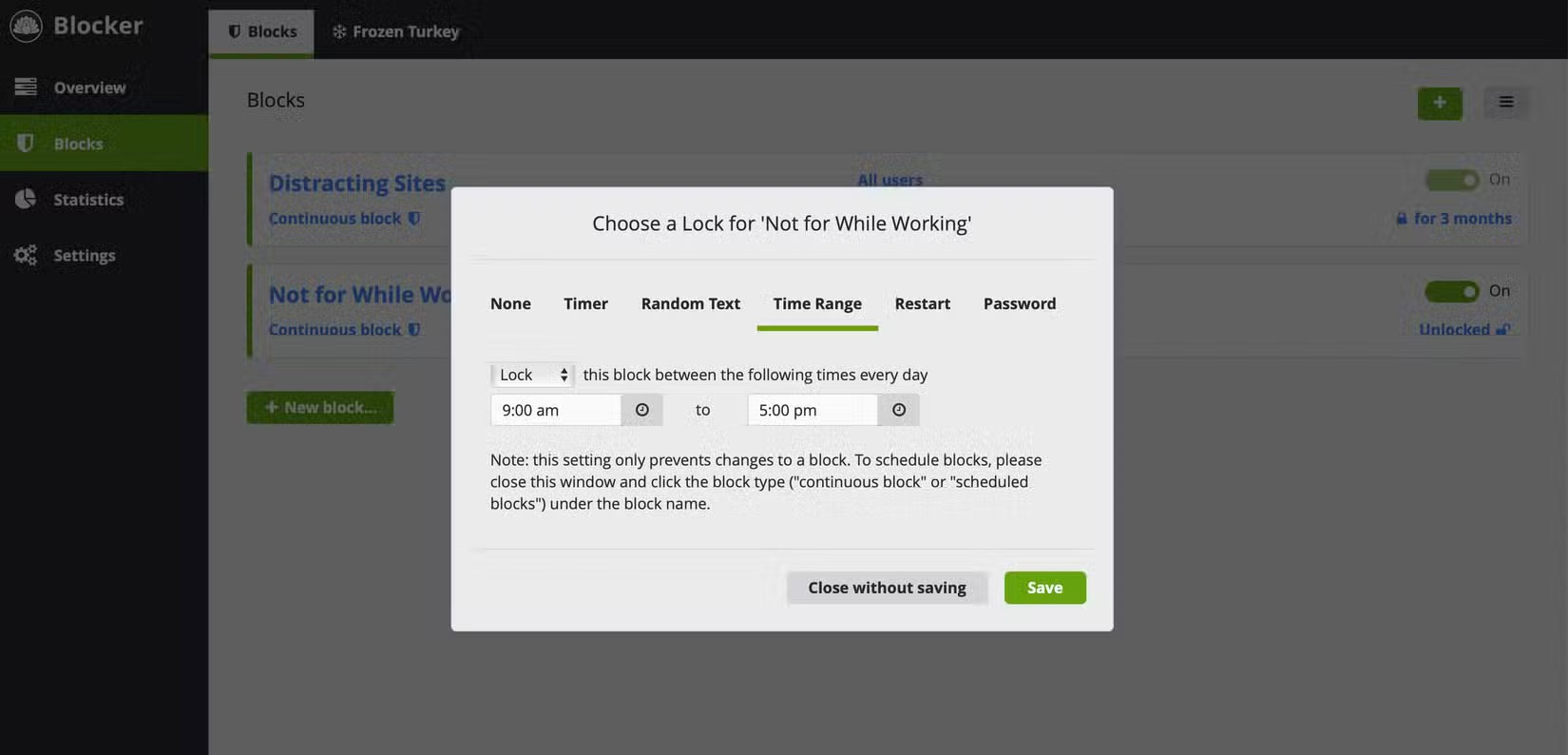
Website blockers are the easiest way to stay focused. Cold Turkey helps you stop procrastinating by creating multiple block lists, such as setting a blocker on all distracting websites that needs to be renewed as the deadline approaches.
You can enable some blockers as needed and set daily schedules for others. You can only unblock outside of specified hours, and it's nearly impossible to uninstall an app while a timed blocker is active. Of course, you'll have fewer tabs open.
5. Merge tasks and close tabs after each time
Many people don't believe in time blocking because it's too restrictive, but at the same time, they still need at least some structure in their schedule. Task batching is one of the most effective ways you can do this. Multitasking is the worst way to work and it often causes projects to take longer than they should.
When you work, only allow yourself to open tabs that are relevant to the current task. When you are done, close the tabs. You can close the browser completely before reopening it. This will help you reset and get ready for the next task.
4. Bookmark important pages to visit frequently
Previously, many people often opened tabs on important pages. They didn't want to close them and then have to go through the manual process of reopening them later, as this felt unnecessarily time-consuming. In the process of finding the right balance between the two options, achieving that balance is much easier than you initially think.
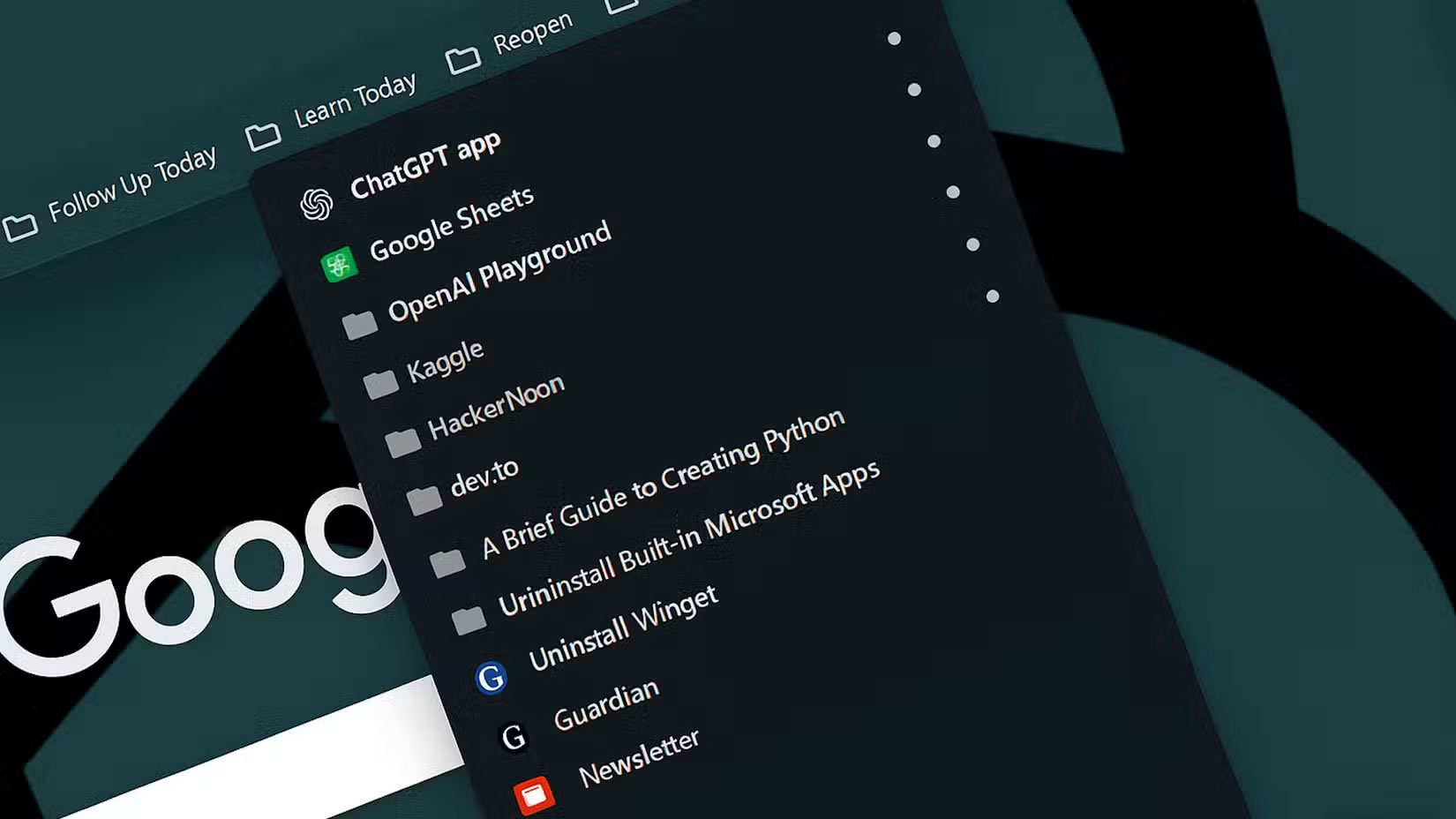
You can bookmark pages you visit daily or weekly, allowing you to access them whenever you wish. However, there is no need to worry about them becoming a distraction or cluttering your view; when you aren't using these sites (or need to focus), you can easily hide the bookmarks bar.
Beyond just using your current web browser, there are plenty of alternatives to Google Chrome's bookmarking system.
3. Switch web browsers
You don't need to completely overhaul your entire life; instead, simply making small adjustments to your environment can help. Switching web browsers is one of the easiest changes you can make.
Try switching from Safari to Google Chrome, and you may find yourself immediately opening fewer tabs. From there, you can use that momentum to keep going. It is worth noting that Chrome's bookmarking features are also highly useful—far superior to those in Safari.
Using different browsers for different tasks can also help maintain your workflow. For instance, you could do your writing in Safari while handling administrative tasks in Chrome.
2. Save important links
Beyond simply keeping track of frequently visited sites, people often end up with too many tabs open just to save important links. An easy solution is to simply save these important links in a dedicated space for quick access.
Use Notion to organize links you want to revisit later. Create pages within the app for different topics, including a page for general, entertaining content—such as travel blogs and sports features.
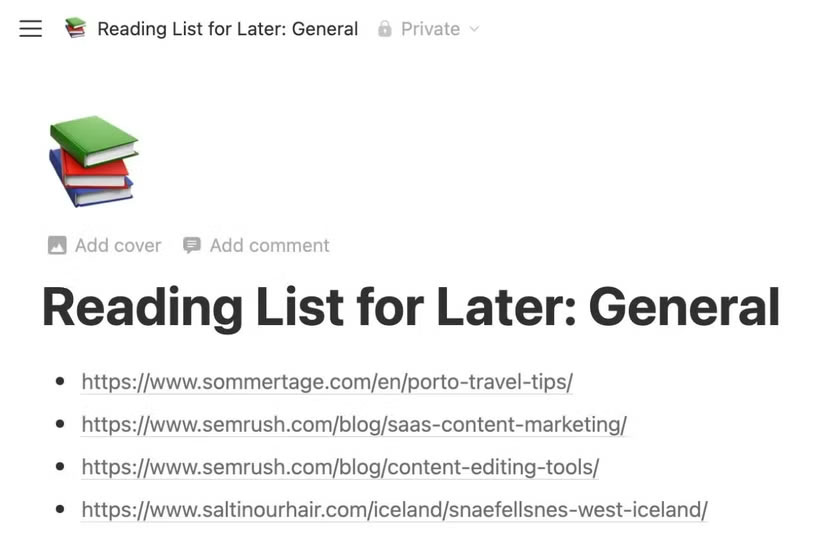
In addition to saving links manually, consider using the Notion Web Clipper if you are conducting comprehensive research on various topics.
1. Create tab groups
Tab groups are another effective way to prevent tabs from overwhelming you while you work. Many web browsers, including Google Chrome, offer this feature. In Chrome, you can create persistent tab groups. Group your tabs by related topics or, in some cases, by specific projects.
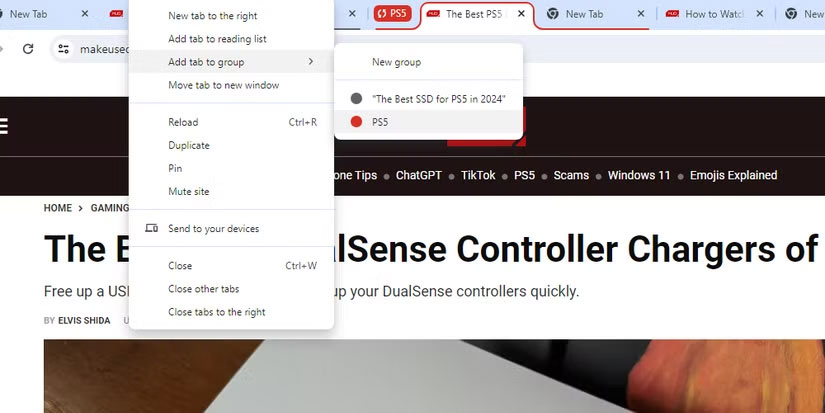
Color-code each tab group to keep things organized more efficiently. Additionally, name each group for easy identification. Once created, you can easily access the websites you need whenever you want without having to keep multiple tabs open simultaneously.
Tip: Avoid creating too many tab groups, as this can lead to poor browser performance.
While it can seem like an uphill battle at times, it's actually a lot easier than you think. A few small steps can make a big difference. Controlling the number of tabs you're allowed to open is a start, but you should also take advantage of features in your browser that make sense.
FAQ
What should you know about 7. Apply the "one on, one off" policy?
Adopting a 'one open, one closed' policy will yield some of the quickest results. As the name suggests, you have to close one tab before you can open a new one. Additionally, limit yourself to a maximum of four tabs. Since you have less space, you have to be much more selective with the tabs you use.
What should you know about 6. Use a website blocker?
Most of the time, people open too many tabs because they are browsing websites that are not relevant to their task. For example, checking the latest sports news is a weakness for many people and they tend to do it multiple times a day. While it may take some willpower, it is important to eliminate the problem at its root.
What should you know about 5. Merge tasks and close tabs after each time?
Many people don't believe in time blocking because it's too restrictive, but at the same time, they still need at least some structure in their schedule. Task batching is one of the most effective ways you can do this. Multitasking is the worst way to work and it often causes projects to take longer than they should.
What should you know about 4. Bookmark important pages to visit often?
In the past, many people often opened tabs on important pages. They don't want to close them and then have to go through the manual process of reopening them later, as this feels like they're wasting time unnecessarily. In the process of finding the right balance between two options, achieving balance is much easier.
Related Articles
 How to Close Tabs: Step-by-Step Guide4 minutes read
 Why Is Vivaldi the Browser Built for People Who Never Close Tabs?7 minutes read
 How to Hide All Tabs on Firefox, Collapse When Opening Too Many Tabs4 minutes read
 Quick Tab Shortcut on Web Browser4 minutes read
 Managing Open Tabs on Chrome Will Be a Lot Easier and More Intuitive in the4 minutes read
 How to Use Vertical Tabs on Microsoft Edge: Step-by-Step Guide3 minutes read
Reader Comments 0
Sign in with email or Google to join the discussion.