Table of Contents
Choose an AI project by the skill you want to practice and the result you can measure. The seven ideas below range from tabular classification to computer vision, language models, time series, reinforcement learning, and a chatbot interface. Each includes a manageable starting point and a way to tell whether your work improved.
Beginner: structured data
1. Predict repeat blood donations
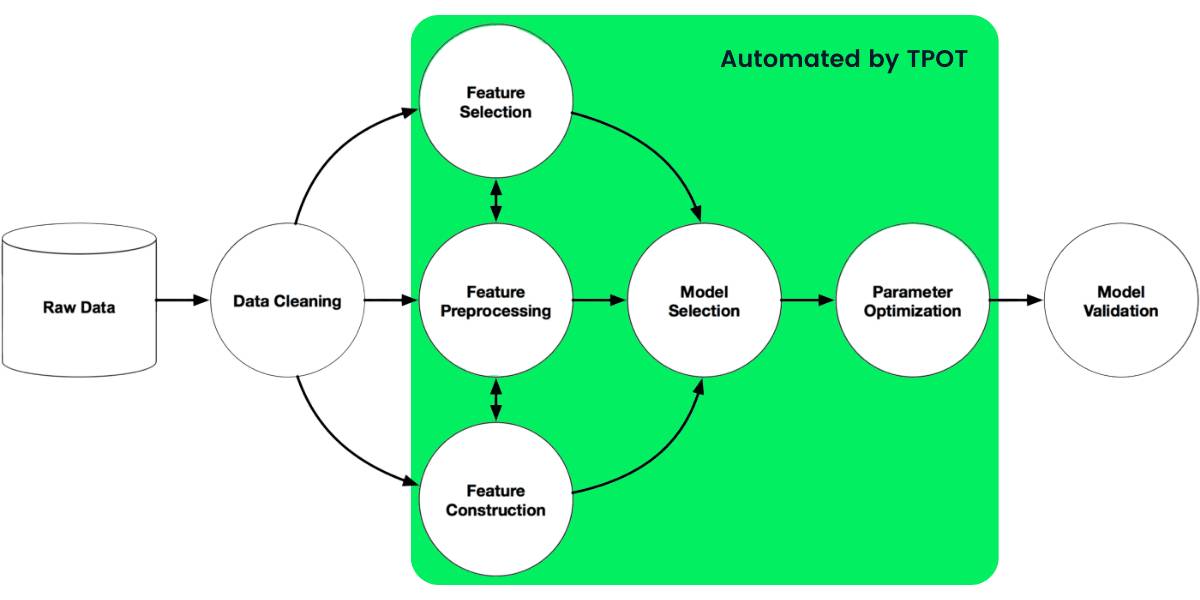
Use the UCI Blood Transfusion Service Center dataset to predict whether a donor returned in the recorded period. Explore the donation history fields, separate a held-out test set, and train a simple classifier before trying TPOT or another AutoML tool. Compare precision and recall with a baseline that predicts the most common class; accuracy alone can conceal missed donors. This is a modeling exercise, not a basis for deciding who should receive medical outreach.
2. Classify credit approval records
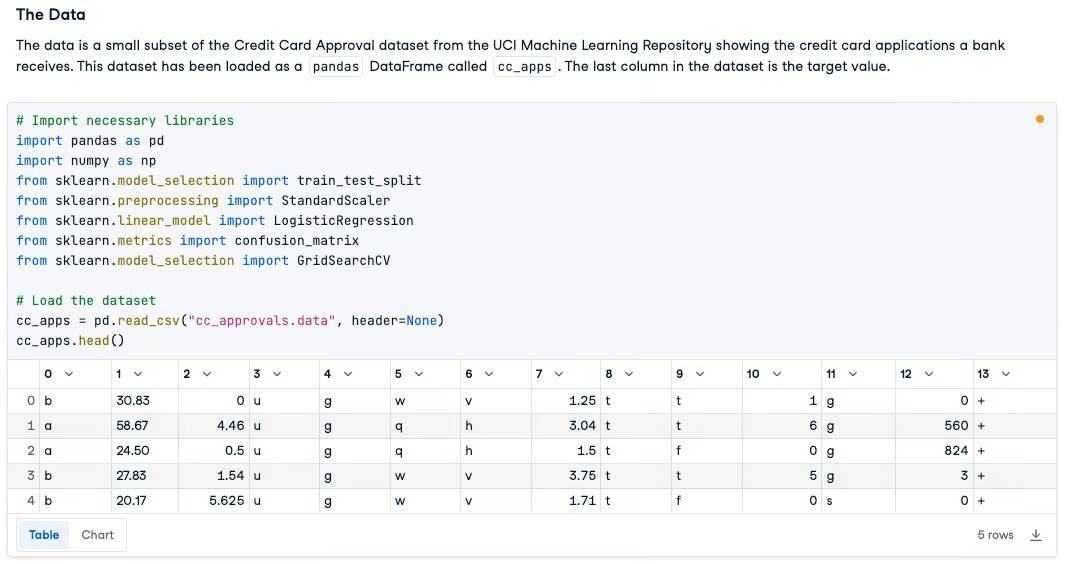
The UCI Credit Approval dataset contains missing values and mixed feature types. Build a pipeline that imputes missing entries, encodes categories, and fits logistic regression. Use cross-validation to tune parameters on the training set, then evaluate once on held-out data. Compare errors across relevant groups if suitable information is available and document the dataset’s limitations; a classroom model should not be used to make real credit decisions.
Intermediate: images and language
3. Locate an object in an image
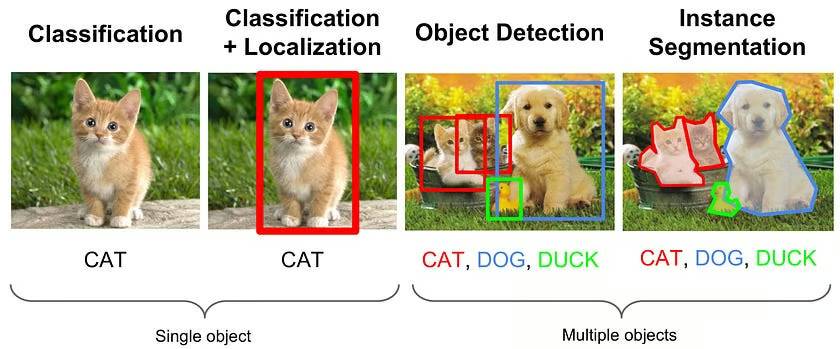
Start with a small labeled set of images containing a single object, such as a cat. A pretrained visual model can provide image features or a heat map of likely locations; move from that coarse localization to a bounding box if you have box annotations. Compare predicted boxes with ground truth using intersection over union and inspect images where the object is partly hidden. Merely classifying “cat present” does not prove the model can locate the cat.
4. Classify news with BERT
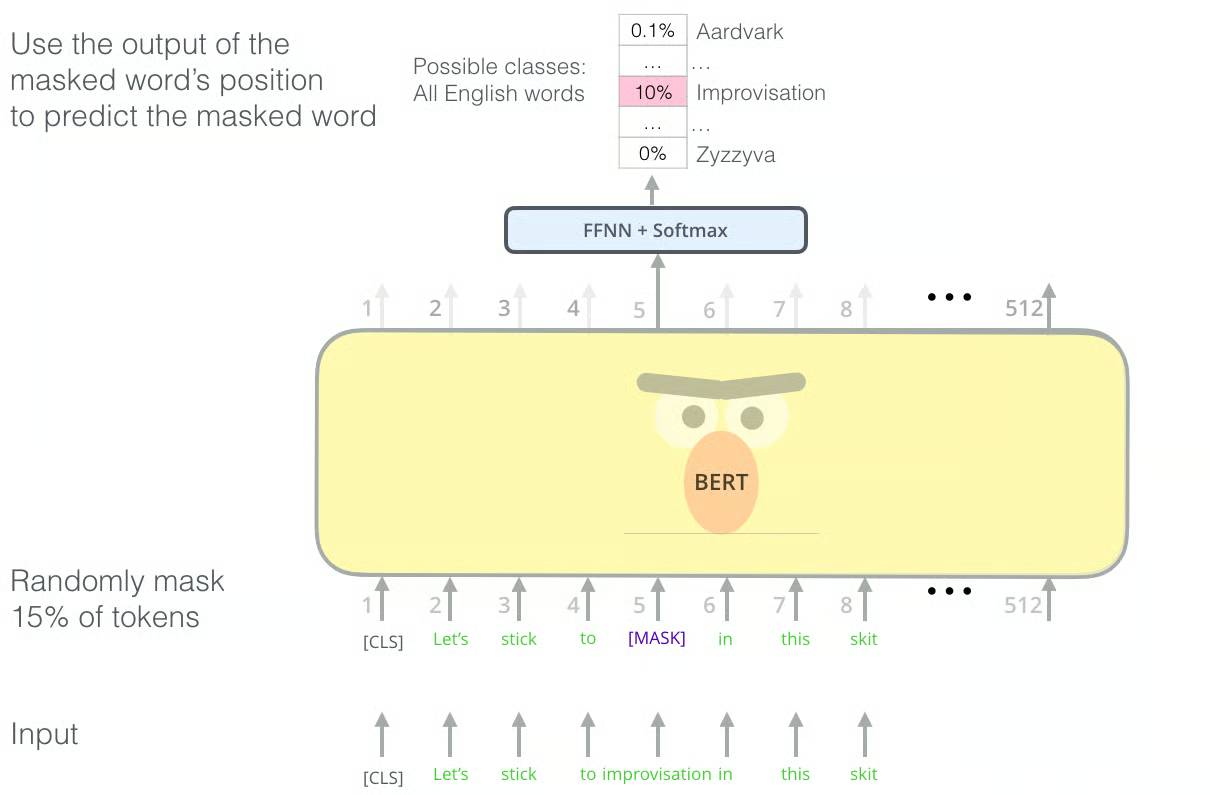
Use a four-category news dataset such as AG News. First train a simple text baseline, then fine-tune a pretrained BERT classifier on the same split. Report per-class precision and recall as well as overall accuracy, and examine confusing headlines. Keep the test set separate from model selection. The goal is to understand tokenization, fine-tuning, and error analysis, not to train BERT from scratch.
Advanced: sequences and decisions
5. Compare an LSTM with a simple stock-price baseline
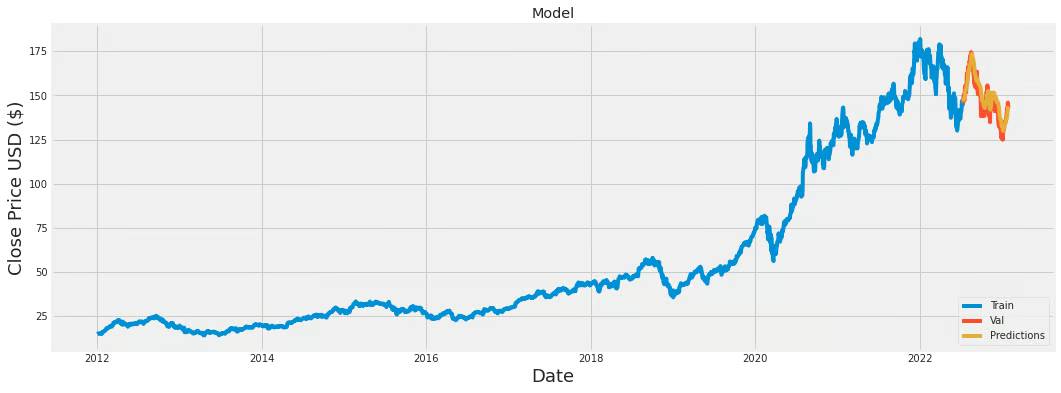
Download historical prices for a limited set of stocks, plot them, and define the exact next-period value you want to predict. Split observations by time, fit preprocessing on past data only, and compare an LSTM with a naive baseline such as carrying forward the last price. Evaluate on later unseen dates and explain how sensitive the result is to the chosen period. A good backtest on historical data does not establish reliable future returns or justify an investment decision.
6. Train an agent in a platform game
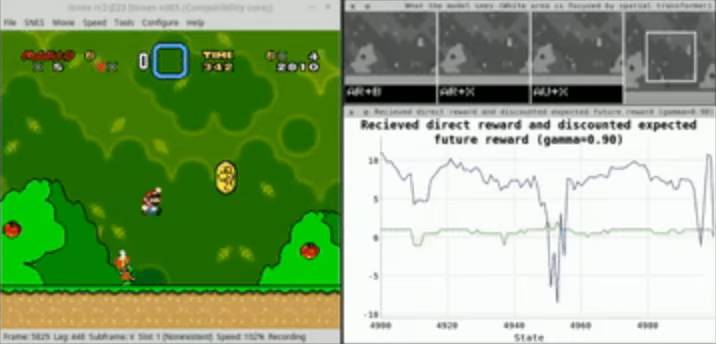
In a compatible game environment you are permitted to use, define observations (screen frames), actions (controller inputs), and a reward signal for progress. Begin with a simple agent, then try a deep Q-learning approach with experience replay and an exploration policy. Track episode reward and level completion across multiple runs; a single successful attempt is weak evidence. Document the game version, environment wrapper, and compute budget so another learner can reproduce the experiment.
Short application project
7. Put a chatbot model behind a Gradio interface
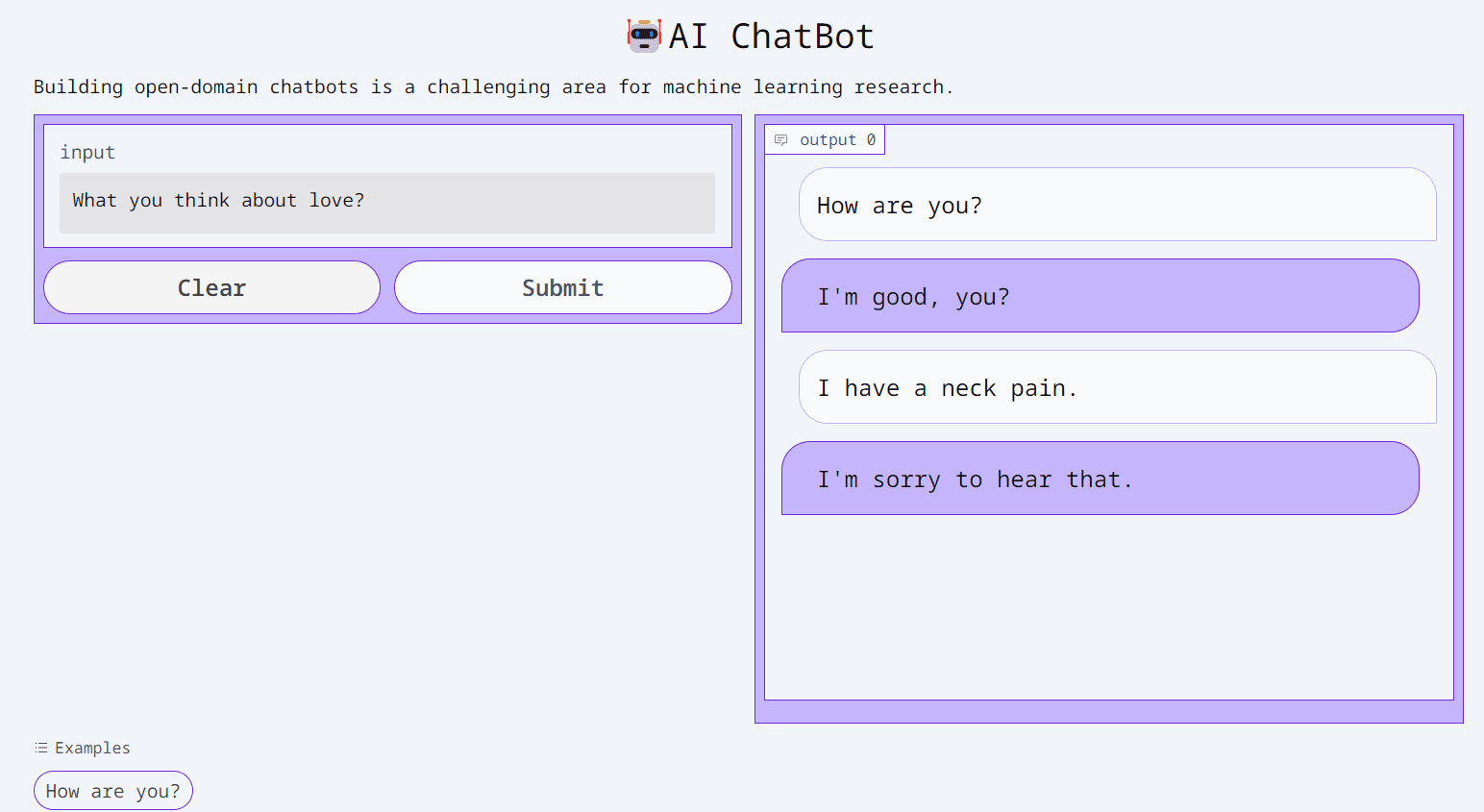
Choose a conversational model you can access, write a Python function that receives a message and conversation history, and pass that function to gr.ChatInterface. Start locally, test empty input and multi-turn exchanges, and add a clear note about what data the model service receives if you deploy it. Gradio builds the interface; you still need a working model and must evaluate its replies. Follow the Gradio ChatInterface guide for current API examples.
If Python setup is the main obstacle, start with TipsMake’s Python learning path. For courses that match these projects, use the free AI learning resources guide. Pick one project, define a baseline and a held-out evaluation, then publish the code and limitations alongside the result.





Reader Comments 0
Sign in with email or Google to join the discussion.