Table of Contents
Check whether the laptop has power before troubleshooting the screen. No charging light, fan, or keyboard light points you toward the power supply. If the laptop shows signs of running but the built-in screen stays dark, check brightness and try an external monitor.

If the laptop shows no signs of power
Check the outlet with a device you know works. Connect the original or a manufacturer-approved charger directly to the correct port and check for a charging light. A matching plug alone does not establish charger compatibility. Disconnect accessories and allow time to charge if the battery may be empty.
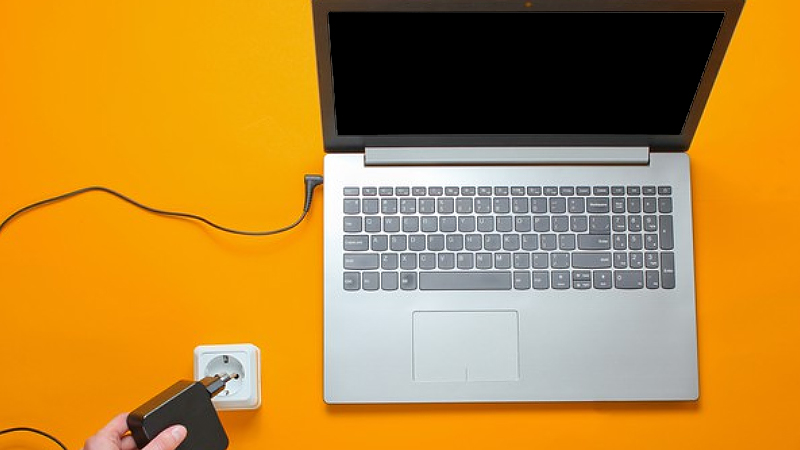
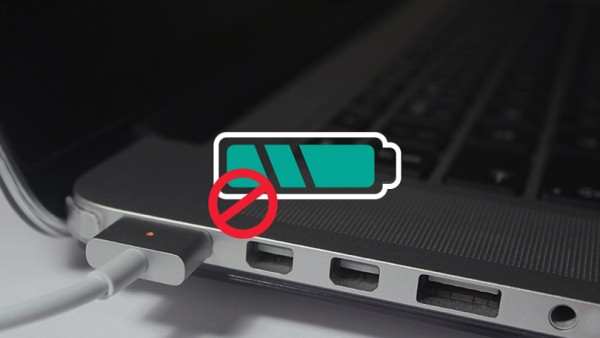
If a known-good compatible charger produces no signs of life, check the model’s documented reset or diagnostic procedure. A charging port, battery, or mainboard fault is possible. Avoid opening the laptop just to guess which part failed.
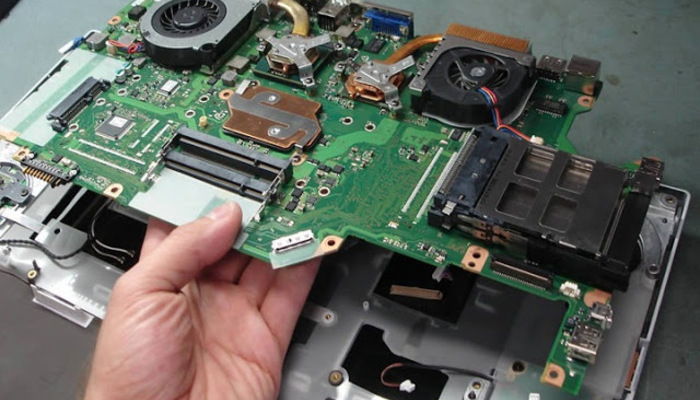
If the laptop runs but the screen is dark
- Raise the brightness and disconnect any dock or external display that may be taking the video output.
- Connect a known-good monitor with the right cable and select its input. Look for the laptop maker’s logo or a Windows sign-in screen.
- If Windows seems to be running, Windows + Ctrl + Shift + B can reset the graphics driver. A brief blink or beep can be normal.
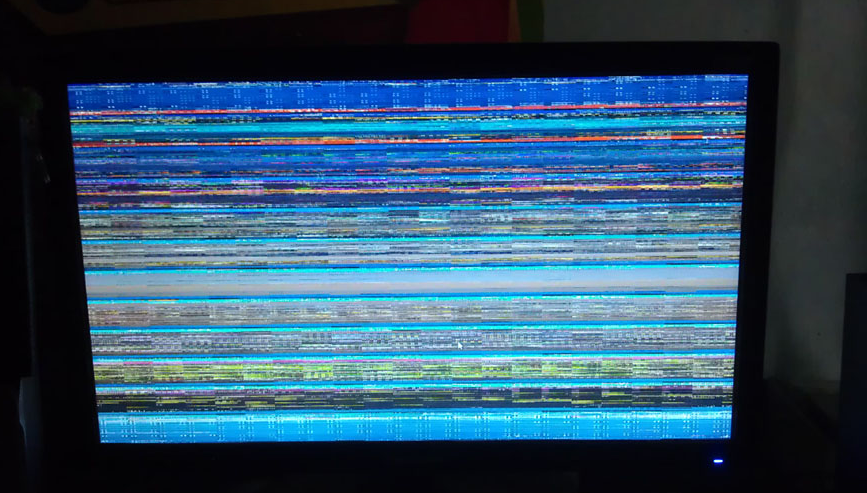
If the external monitor works, the built-in display, backlight, or cable may need service. If neither display works, check the manufacturer’s diagnostic lights or beep codes before assuming it is the GPU.
If it shut down while hot or after damage
Let an overheated laptop cool on a flat, ventilated surface. If it repeatedly shuts down or shows signs of liquid exposure or physical damage, stop power tests and contact the manufacturer or a repair technician. For related diagnostics, see the PC troubleshooting course.
Related Articles
 How to fold laptop screen without turning off Win 10
 How to use a laptop as the second screen for laptops and computers
 Instructions on how to turn off the Laptop screen
 Error of laptop screen automatically turns off - Cause and fix
 9 damaging the fastest laptop screen!
 How to record Asus laptop screen simply and quickly
Reader Comments 0
Sign in with email or Google to join the discussion.