Table of Contents
This updated guide examines Network: Viruses Spread Quickly Through Msn Messenger and organizes the essential facts, background, and practical takeaways in clear American English.
MSN Messenger - This time target of hackers
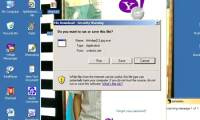
Security firm eSafe has been able to track this virus since November 18 with the method of spreading it with fake image files sent through chat programs, mostly from people in the user's contact list. It is a new Trojan derived from IRC channels that automatically sends. ZIP format files to MSN Messenger's network with 2 different names. Their names are usually used for digital cameras and scanners, for example DSC00432.jpg.exe or IMG34814.pif. This form of distribution is not new, but this is the first Trojan discovered to be able to penetrate virtual computer network VNC (Virtual Network Computing) and generate a ghost computer network with numerous connections. Its features are quite similar to other viruses, such as password theft and spam distribution. After infiltrating the affected system, Trojans collect contacts to spread further. Users are advised not to open any files by friends and especially strangers sent unexpectedly. Anh Tu
FAQ
What is Network: Viruses Spread Quickly Through Msn Messenger about?
It provides a structured overview of network, explains the main context, and highlights practical takeaways for readers.
Why does this topic matter?
Understanding the main concepts helps readers evaluate the issue, avoid common mistakes, and make better-informed decisions.
How should readers use this information?
Use the guidance as a practical starting point, confirm details that may have changed, and follow current product, safety, or security recommendations.
Related Articles
 Viruses Spread Through Yahoo! Messenger Re-exported2 minutes read
 Warning of New Viruses Spread via Yahoo Messenger in Vietnam5 minutes read
 7 Computer Viruses You Should Be Careful8 minutes read
 Virus Spread Through Yahoo! Messenger Back4 minutes read
 Worm: Viruses Spreading Files Appear Strong in April2 minutes read
 Can Viruses Spread Through Wi-Fi?4 minutes read
Reader Comments 0
Sign in with email or Google to join the discussion.