Table of Contents
This guide provides a clear, practical overview of "Quickly Access Legacy Windows Features with These Run Commands". It organizes the most useful details, explains important considerations, and highlights the steps or choices that matter most.
12. appwiz.cpl
The appwiz.cpl command quickly opens the Programs and Features interface on your computer without having to do many mouse clicks.

11. timedate.cpl
The timedate.cpl command opens the Windows Date and Time management interface, with a few additional options and better control.
The Additional Clocks tab allows you to add a time zone to the Windows Taskbar. You can go to Change date and time > Change calendar settings to change the date and time format….

10. main.cpl
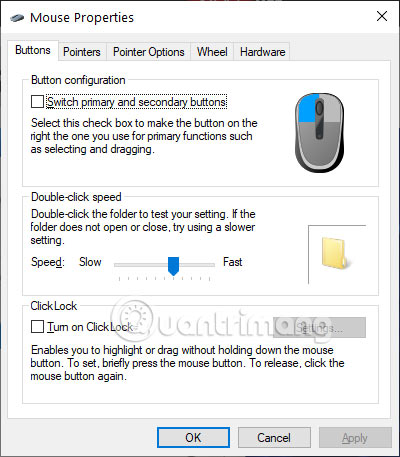
This command opens the classic Mouse Properties interface, which contains all the essential mouse settings, from adjusting mouse speed and button layout to scrolling or adjusting mouse settings.
9. mmsys.cpl
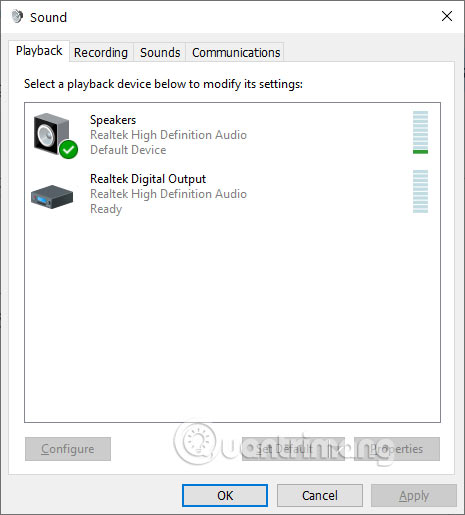
The mmsys.cpl command jumps right to the sound settings interface, where you can easily enable, disable, and configure your audio input and output devices. You can quickly set or test your default speakers, headphones, or microphone, and even adjust the audio format.
8. msconfig
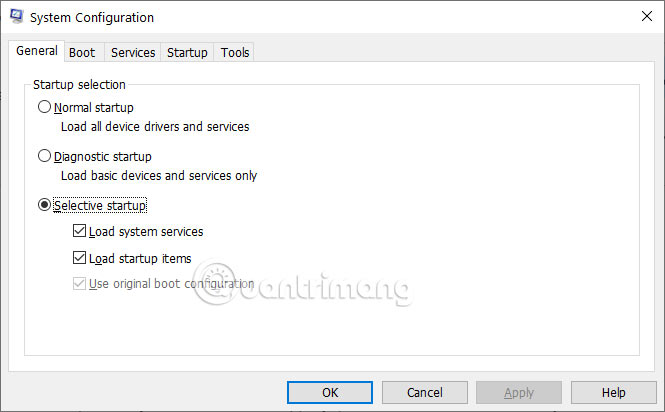
The msconfig command stands for System Configuration and is used to troubleshoot computer problems.
The Boot tab allows you to boot into Safe Mode. Options like Selective Startup and Diagnostic Startup identify problems when the system is not working.
The Services tab provides ways to turn off background services that slow down the system or cause errors.
The Tools tab provides shortcuts to utilities such as Event Viewer, Registry Editor, Command Prompt,.
7. cleanmgr
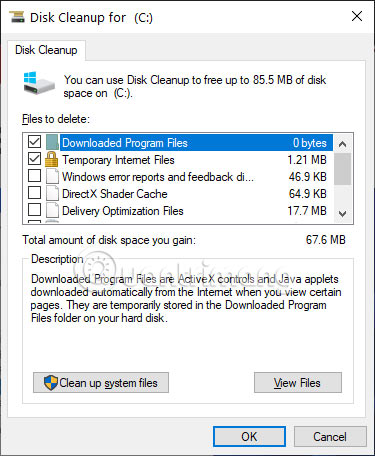
The cleanmgr command opens the Disk Cleanup tool, which allows you to reclaim storage space by deleting temporary files from your PC.
6. %temp%
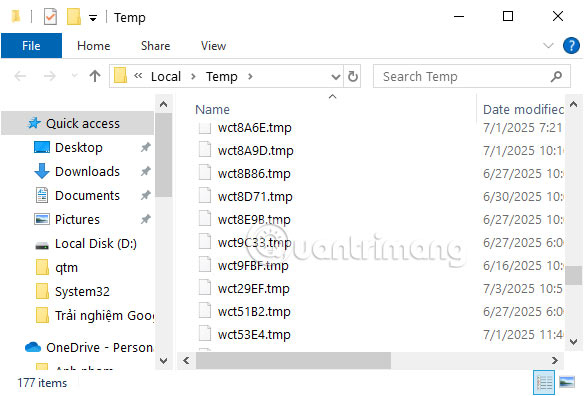
Running the command %temp% will open the folder containing temporary system and application files. Once the folder opens, press Ctrl + A and press Delete.
5. netplwiz
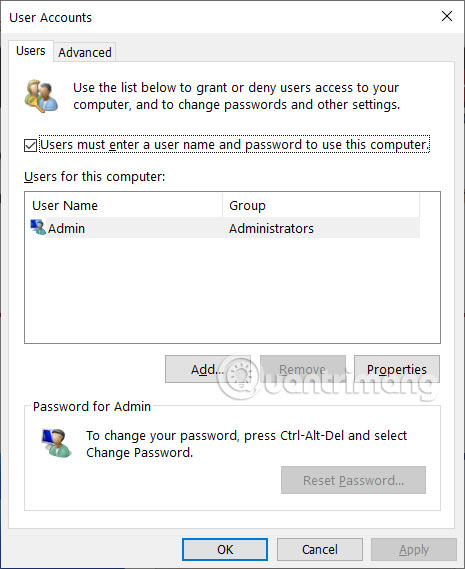
This command will open the User Accounts interface where you can view and manage all user profiles on the system.
4. shell:startup
The shell:startup command opens the Startup folder for user accounts, managing software or applications that automatically start.
3. msinfo32
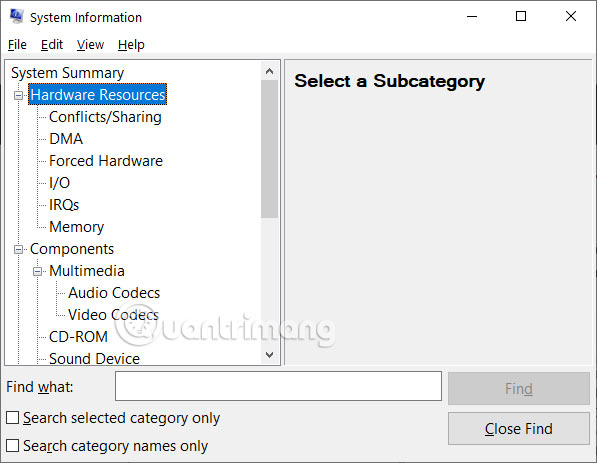
The msinfo32 command opens the System Information tool. The tool displays everything from CPU model, RAM, and BIOS version to motherboard details and Windows version.
2. charmap
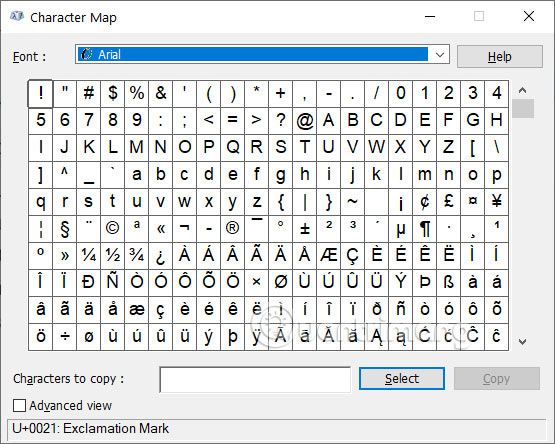
This command launches the Character Map, a built-in Windows tool that gives you access to every symbol, letter, and character hidden in your system's fonts.
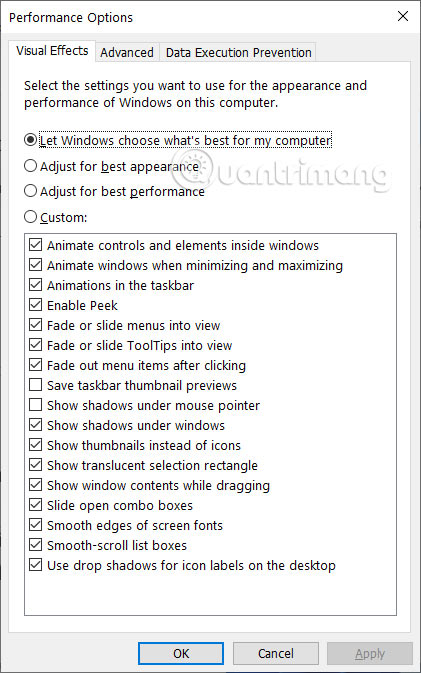
1. SystemPropertiesPerformance
Windows balances resources between appearance and performance. But if you want to prioritize one over the other, run the SystemPropertiesPerformance command to customize it to your needs.
FAQ
What should you know about 12. appwiz.cpl?
The appwiz.cpl command quickly opens the Programs and Features interface on your computer without having to do many mouse clicks.
What should you know about 11. timedate.cpl?
The timedate.cpl command opens the Windows Date and Time management interface, with a few additional options and better control.
What should you know about 10. main.cpl?
This command opens the classic Mouse Properties interface, which contains all the essential mouse settings, from adjusting mouse speed and button layout to scrolling or adjusting mouse settings.
What should you know about 9. mmsys.cpl?
The mmsys.cpl command jumps right to the sound settings interface, where you can easily enable, disable, and configure your audio input and output devices. You can quickly set or test your default speakers, headphones, or microphone, and even adjust the audio format.
Related Articles
 Command Prompt: Summary of the Common Run CMD Commands8 minutes read
 Some Features and Tips for Playing Legacy of Discord for Newbies6 minutes read
 CMD Commands, Command Prompt Commands in Windows 7 And 87 minutes read
 Do You Need a Powerful PC to Play Hogwarts Legacy: Explained4 minutes read
 Exciting Classes in Hogwarts Legacy4 minutes read
 Code King Legacy 7.1 Latest Version 20252 minutes read
Reader Comments 0
Sign in with email or Google to join the discussion.