Table of Contents
This updated guide examines Microsoft Sent a 'Closed Screen' Notification to Persuade Windows and organizes the essential facts, background, and practical takeaways in clear American English.
But it seems that these moves have not achieved the effect that Microsoft expected so this time the technology giant has decided to 'play big', bringing up pop-up notifications on the full screen to attract attention. of the user.
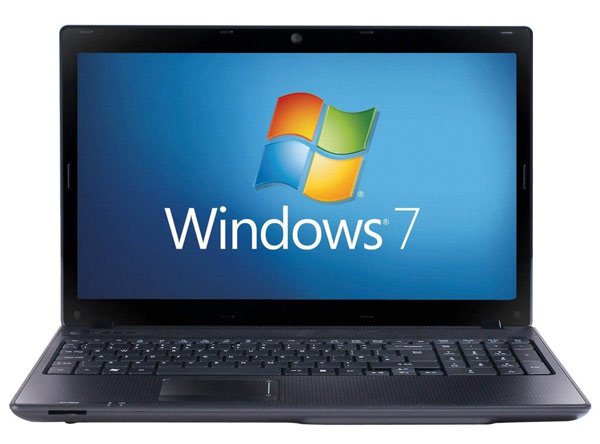
In this announcement, Microsoft will warn users that the security of Windows 7 is no longer good, and after being unsupported, it will easily be attacked by malware and viruses.
This pop-up will start appearing on January 15, 2020, the day after Microsoft stops supporting this operating system.
Full-screen notifications will certainly make users feel more uncomfortable than the small notification windows that appeared when Windows 10 was launched. Notifications will not disappear, but exist until the user interacts with it.
To turn off this notification, users are allowed to click on 3 options including the following reminder, learn more, or never prompt again.
Although Windows 10 offers certain benefits, recent updates to this operating system are always subject to errors that affect the user experience. Although the latest major update of Windows 10 is 1909, although there are fewer errors, it still cannot satisfy users.
- Spreading the "hack" tool helps Windows 7 to receive updates even after Microsoft stops supporting
- Windows 7/8 / 8.1 copyright can still upgrade Windows 10 for free
FAQ
What is Microsoft Sent a 'Closed Screen' Notification to Persuade Windows about?
It provides a structured overview of Windows 7, explains the main context, and highlights practical takeaways for readers.
Why does this topic matter?
Understanding the main concepts helps readers evaluate the issue, avoid common mistakes, and make better-informed decisions.
How should readers use this information?
Use the guidance as a practical starting point, confirm details that may have changed, and follow current product, safety, or security recommendations.
Related Articles
 Microsoft Reduced $ 100 When Upgrading from XP to Windows 83 minutes read
 How to Remove Windows 7 Upgrade Notice from Microsoft3 minutes read
 Disable, Remove Notification Icon Get Windows 104 minutes read
 How to Turn Off the Notification Center on Windows 10?3 minutes read
 Instructions for Upgrading Windows 7 to Windows 8 and Windows 8.19 minutes read
 Germany Forced Microsoft Not to Impose a Windows 10 Upgrade4 minutes read
Reader Comments 0
Sign in with email or Google to join the discussion.