Table of Contents
This updated guide examines Click: How to Add Custom Textures to Sketchup and organizes the essential facts, background, and practical takeaways in clear American English.
Method 1of 2:
Temporary
 Click on the Paint Bucket icon to bring up the Materials dialog.
 Click on the Create Materials icon in the dialog box.
 Click on Browse and browse to where the texture is on your hard drive.
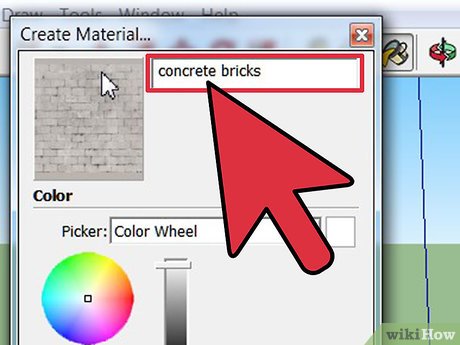 Once you have added it, name it.
 Check that the size is appropriate, if you know the size of it. Here, SketchUp added the size itself.
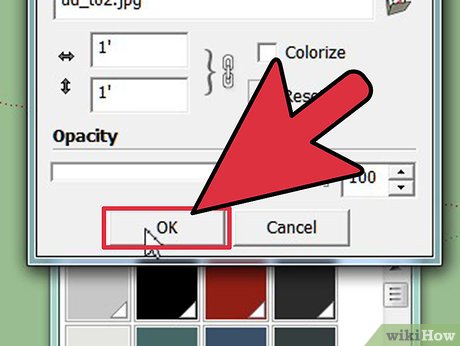 Click OK.
- It will be added to the In Model collection of textures.
Method 2of 2:
Permanent
 Do the above process to add it to SketchUp.
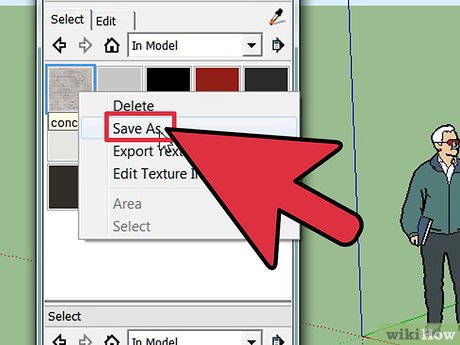 Right click on the new texture and select Save As.
 Navigate to where you want it. This is a wood texture, so it will be put under wood. Be sure that it has a name other than Material X (whatever that number is).
- It will be added to the Wood textures.
FAQ
What is Click: How to Add Custom Textures to Sketchup about?
It provides a structured overview of click, explains the main context, and highlights practical takeaways for readers.
Why does this topic matter?
Understanding the main concepts helps readers evaluate the issue, avoid common mistakes, and make better-informed decisions.
How should readers use this information?
Use the guidance as a practical starting point, confirm details that may have changed, and follow current product, safety, or security recommendations.
Related Articles
 How to Use SketchUp to Design 3D5 minutes read
 Click: How to Use Sketchup10 minutes read
 SketchUp Keyboard Shortcuts - Complete Shortcut Keys in SketchUp4 minutes read
 How to Import KML Files into SketchUp3 minutes read
 Want: How to Copy and Create Arrays in Sketchup3 minutes read
 How to Export SketchUp Files to AutoCAD6 minutes read
Reader Comments 0
Sign in with email or Google to join the discussion.