Table of Contents
A motherboard choice determines which processor, memory, storage, and expansion cards a PC can use. Start with the CPU and case you plan to build around, then confirm each part on the board manufacturer's specifications page. A matching socket alone is not enough: processor generation and BIOS support also matter.
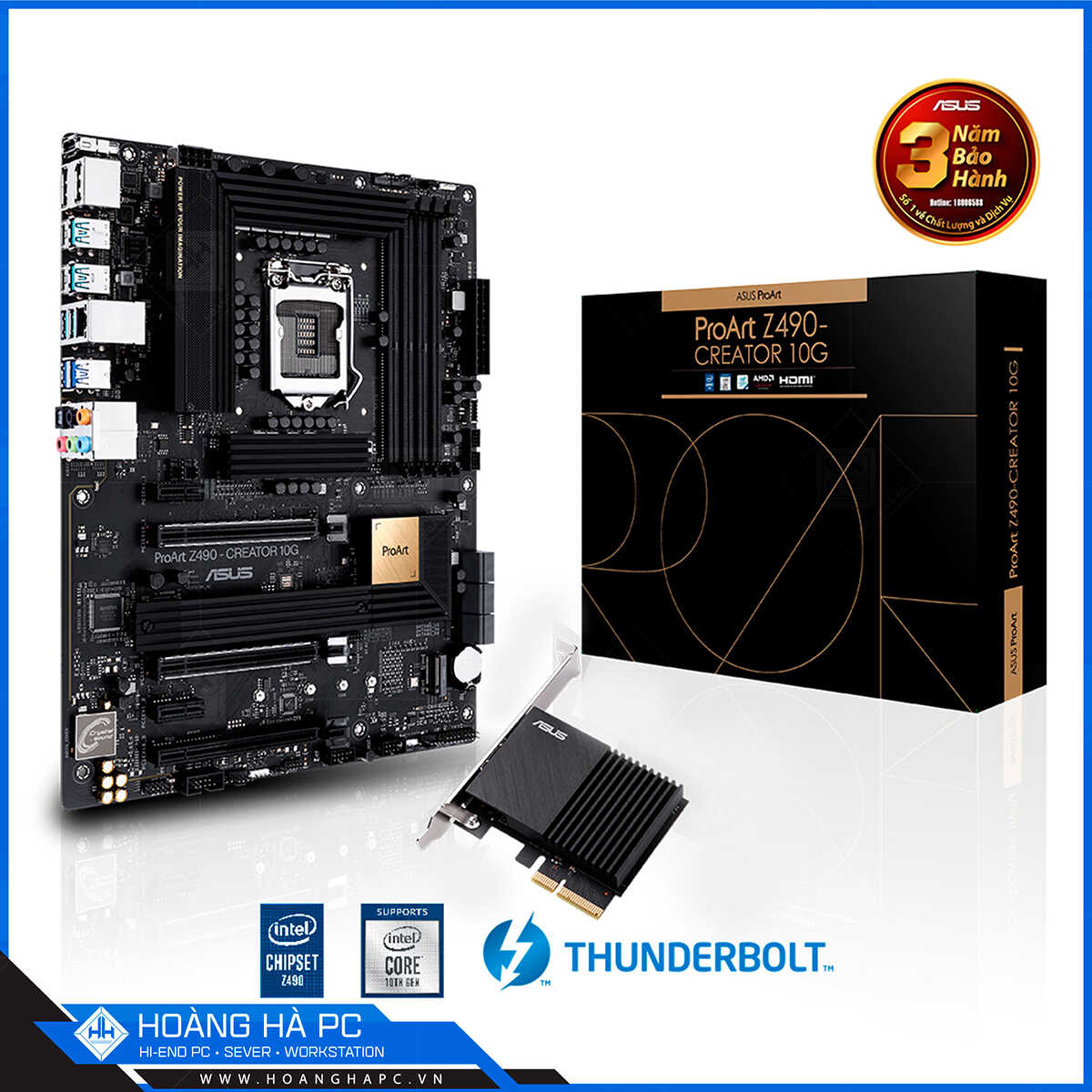
Motherboard compatibility checklist
- Processor support: Match the exact CPU model to the board's socket and CPU support list. Check the minimum BIOS version; some boards need a firmware update before they can boot with a newer processor.
- Memory: Confirm whether the board uses DDR4 or DDR5, then check supported capacity, speed, and number of slots. DDR4 and DDR5 modules are not interchangeable.
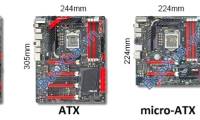
- Case size: Choose a form factor the PC case supports, such as Mini-ITX, microATX, or ATX. Verify board dimensions and expansion-slot clearance for the case.
- Graphics and expansion: Check the required PCIe slots, available lanes, card length and thickness, and whether another card or cooler will block a slot.
- Storage: Count the M.2 and SATA drives you plan to install. Check which connectors share bandwidth or disable other ports on that particular board.
- Power and cooling: Compare the board's CPU power delivery and cooling with the processor and intended workload. Check fan headers and any pump or RGB headers your build requires.
- Ports and networking: Count rear and front USB ports, audio, Ethernet, Wi-Fi, and Bluetooth features you will actually use. Motherboard video outputs work only when the processor supports integrated graphics, so confirm this if you do not plan to use a separate graphics card. Also confirm the case's front-panel connectors match the board.
- Upgrade and budget: Pay for features you need now or expect to use. A more expensive board does not automatically make a compatible PC faster.
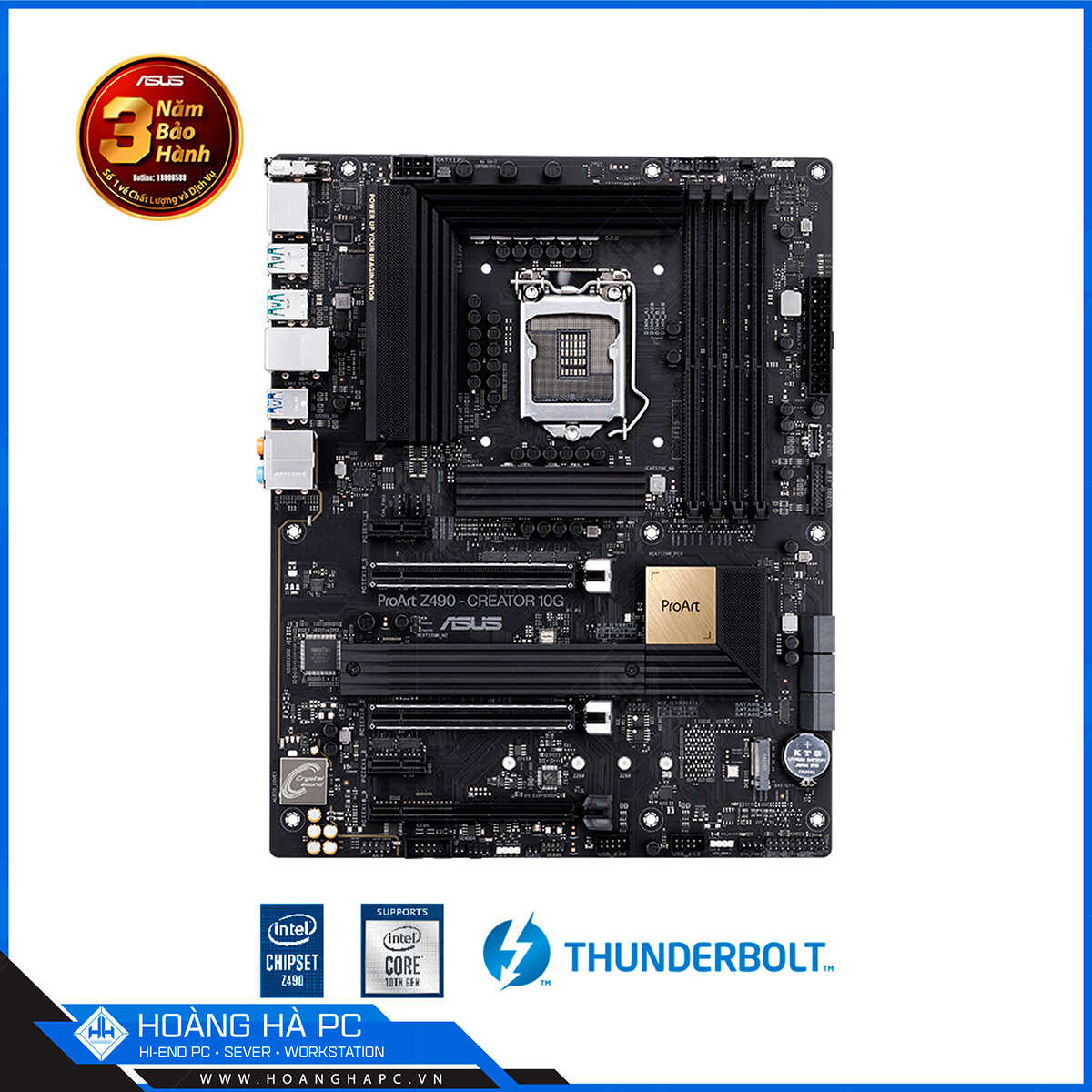
Check the exact model before ordering
Read the full motherboard model and revision, not just the brand or chipset family. On the manufacturer's page, compare the CPU support list, BIOS version, memory specifications, storage layout, rear I/O, and board dimensions with your planned parts. Check the case and graphics-card dimensions separately; those are not determined by the motherboard socket.
Motherboard manufacturers include ASUS, Gigabyte, MSI, ASRock, and others. Brand alone does not establish compatibility or quality; use the support page for the exact board revision.
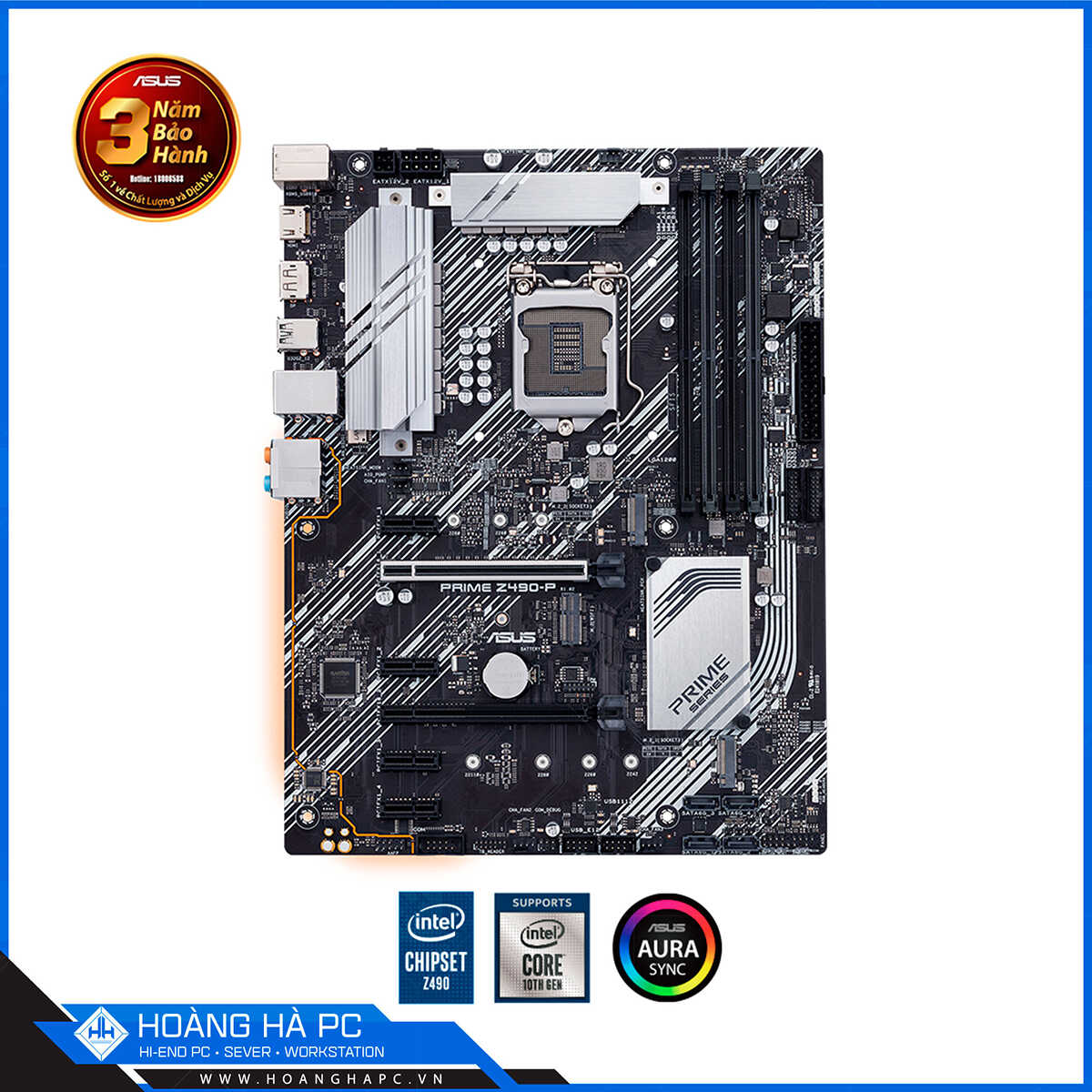
Before you assemble the PC
Keep the motherboard manual nearby for RAM slot order, power connections, front-panel pins, M.2 installation, and BIOS recovery steps. If the board requires a BIOS update for the chosen CPU, check whether it supports updating without a working processor and follow the manufacturer's procedure.
Related Articles
 Things to know when choosing to buy mainboard
 Top 5 Simple and Accurate Ways to Check Computer Mainboard
 Choosing a motherboard for a computer
 Mainboard, Motherboard is what? Overview of Mainboard on computer
 How to assemble the CPU into the mainboard of the computer
 How to pin notes on Apple Notes - Mark important notes
Reader Comments 0
Sign in with email or Google to join the discussion.