Table of Contents
Rewatching a childhood cartoon can change what you notice. The action and visual jokes may still work, while workplace satire, family tensions and morally complicated characters become easier to recognize. These six selections are television series, rather than animated feature films, and each offers a different reason to return.
Animaniacs: jokes operating on more than one level
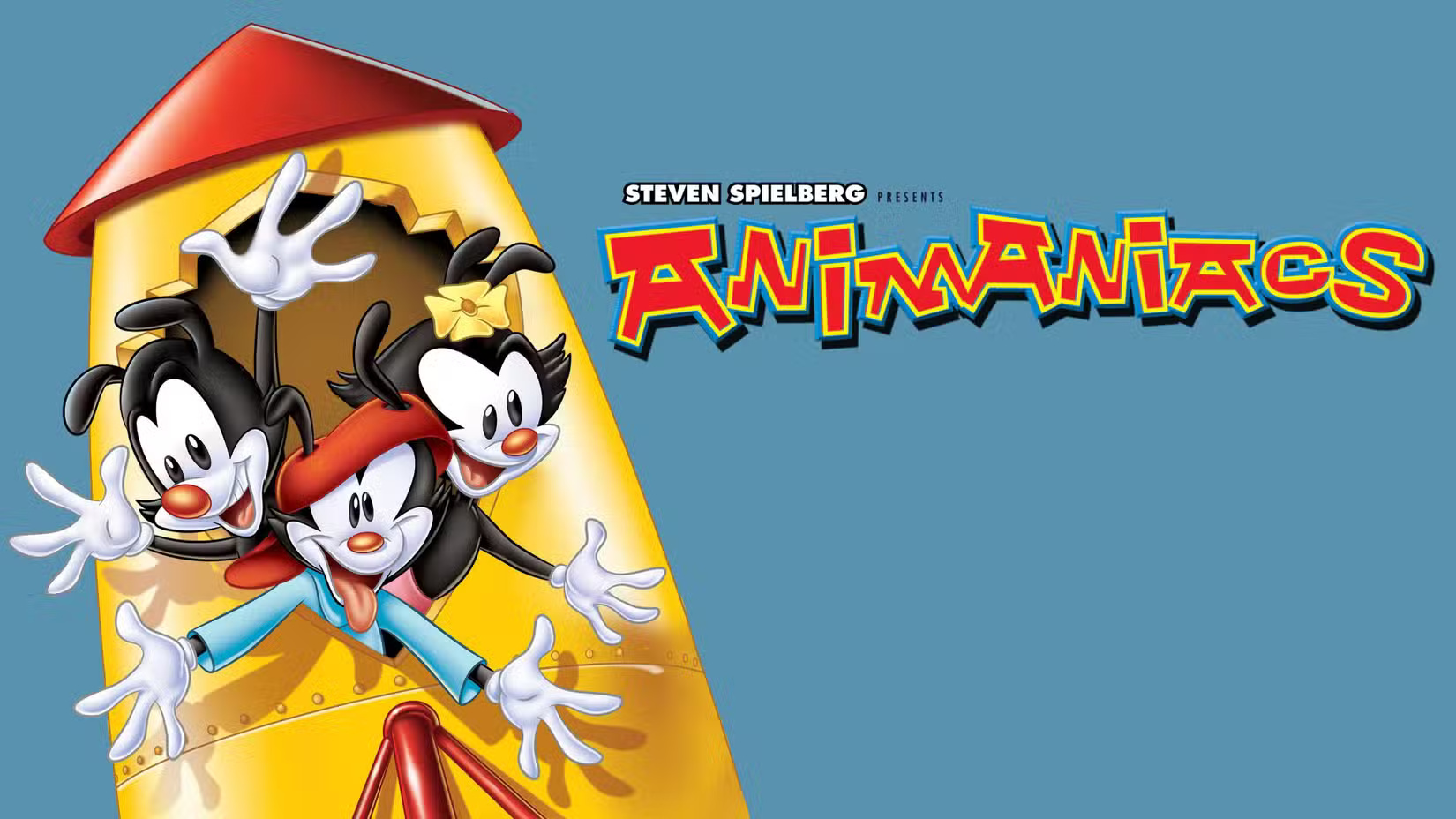
Animaniacs combines physical comedy, songs and fast-moving parody. A child can enjoy a chase or a musical gag without recognizing the film reference underneath it; an adult may notice how the same sketch plays with celebrity, Hollywood conventions or authority.
On a rewatch, pay attention to how quickly the show shifts styles. Some topical references belong to their era, so not every joke will have aged equally well. That context is part of the interest, rather than proof that the series was secretly made only for adults.
Hey Arnold!: the lives around the main character
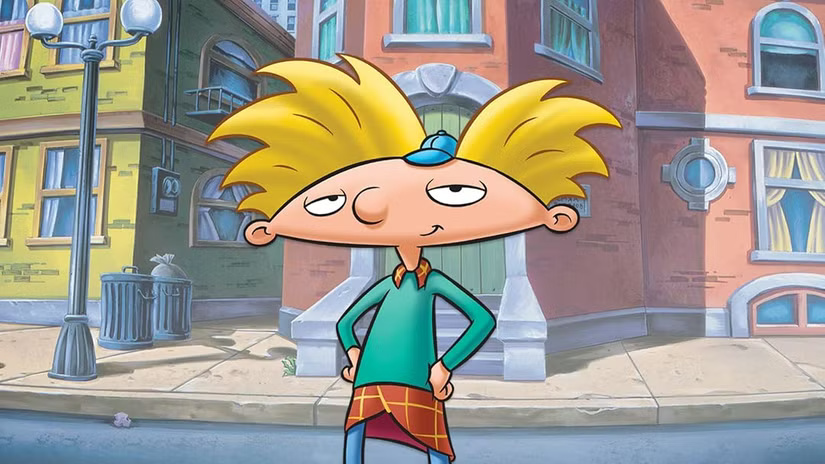
Arnold's neighborhood gives the series more to work with than a single school-age perspective. Supporting characters have their own worries, frustrations and relationships, which can feel more significant when you revisit the show later.
The useful change in perspective is to watch those characters as people rather than simply obstacles or punchlines in Arnold's day. Ordinary conflicts and moments of empathy can become as memorable as the character designs.
Gargoyles: loyalties, history and consequences
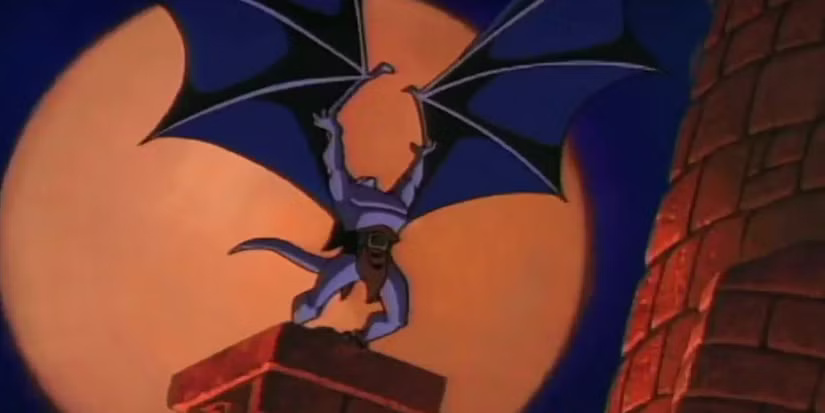
The creatures and action provide an immediate hook, but Gargoyles also builds interest through backstory, mythology and changing alliances. Those connections reward watching episodes in sequence rather than treating every installment as a disconnected adventure.
As an adult, you may find the characters' motives and conflicting loyalties more engaging than the question of who wins a fight. The darker tone also makes it worth checking individual episodes before choosing it for younger viewers.
Spider-Man: The Animated Series: responsibility beyond a costume
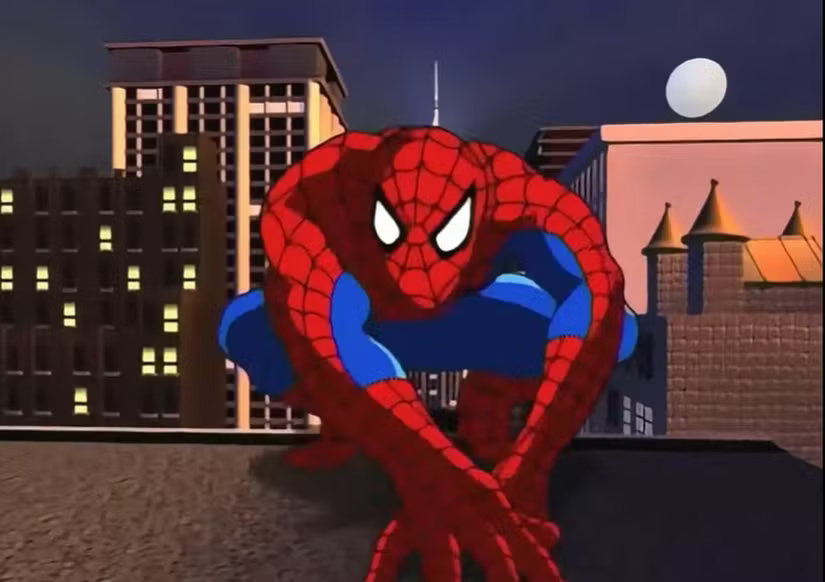
Peter Parker's problem is not only defeating a villain. His responsibilities collide with relationships and ordinary commitments, giving the action a personal cost. That tension can resonate differently once you have your own work and family obligations.
Watch how a superhero decision complicates the rest of Peter's life, rather than focusing only on the next confrontation. The continuing story is another reason to revisit the episodes in order. No unconfirmed revival is needed to appreciate that structure.
Rocko's Modern Life: everyday life turned absurd
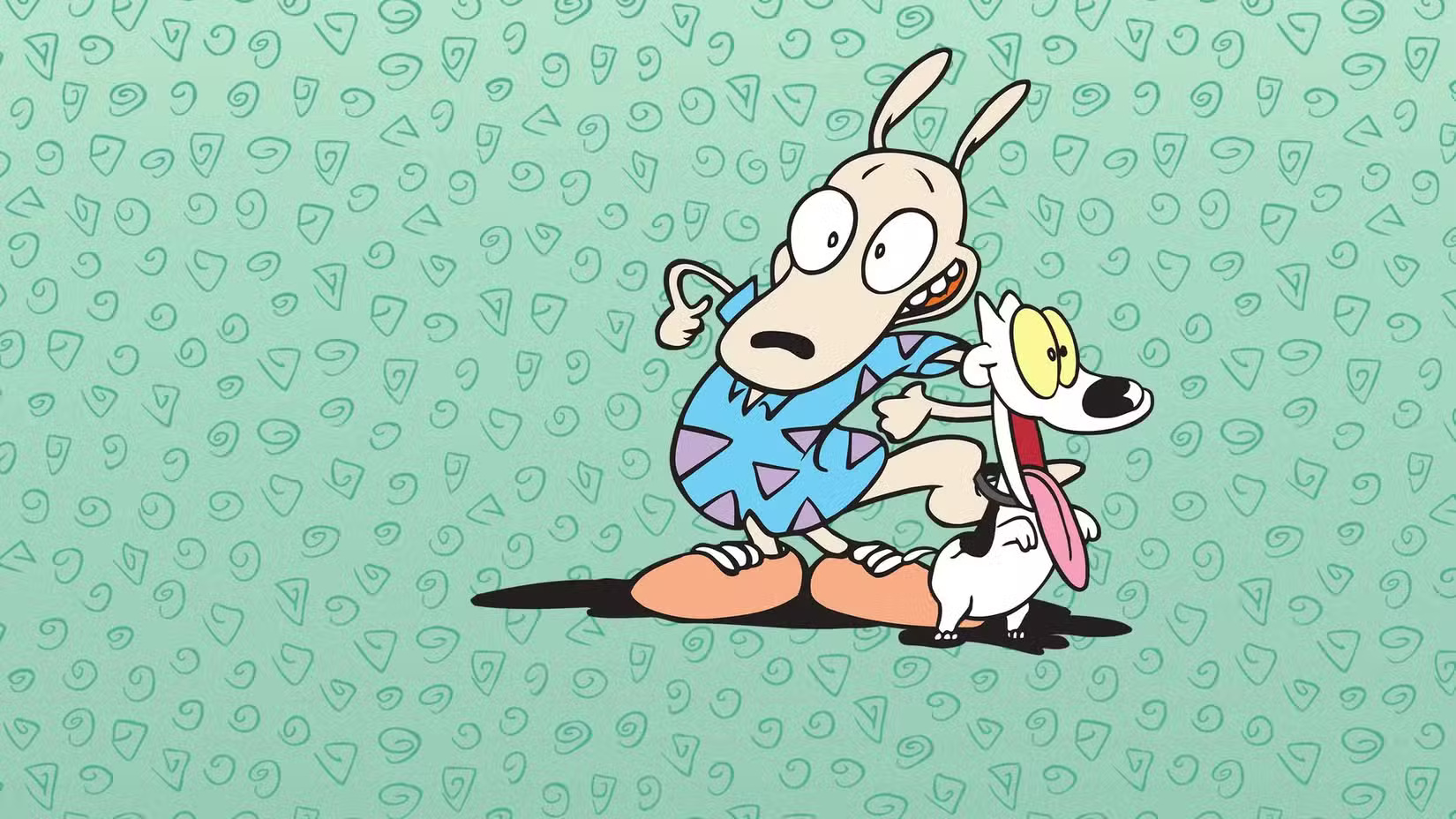
Rocko's attempts to manage ordinary life become a vehicle for exaggerated social and consumer satire. Tasks and situations that once looked like random cartoon chaos can feel more recognizable after years of dealing with work, shopping and daily frustrations.
The series also uses innuendo and uncomfortable humor. Nostalgia does not establish that every episode suits every child, and an adult rewatch can include noticing jokes that now feel dated or less appealing.
Batman: The Animated Series: the person behind the villain
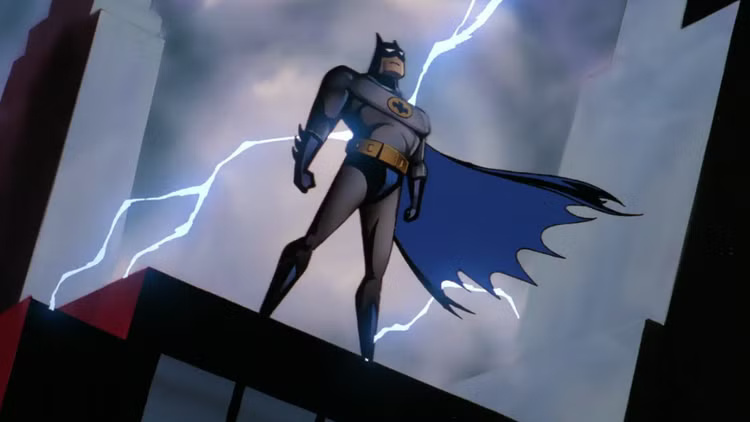
The visual style and detective action remain central attractions, but the emotional motives behind many conflicts give the series something more to revisit. A villain's loss, obsession or grievance can complicate an otherwise straightforward hero-versus-villain story.
Rather than assuming the show is lighthearted because it was made for a young audience, look at how individual episodes balance danger, sympathy and responsibility. That balance helps explain why a familiar story can leave a different impression years later.
Choose according to mood: Animaniacs and Rocko for comedy, Hey Arnold! for neighborhood stories, and Gargoyles, Spider-Man or Batman for continuing conflicts and action. Rewatching does not require finding a hidden adult meaning in every scene; sometimes the new value is simply understanding a character you once overlooked.
Related Articles
 The best animated movies to watch on Netflix in January
 Get 3 months of free movies on iflix with Viettel sim
 Watching adult movies online, what do you pay for it?
 The free code is exclusively for IFLIX account
 Decipher psychological fear of ghosts but like to watch horror movies
 6 Excellent Series to Watch on Netflix
Reader Comments 0
Sign in with email or Google to join the discussion.