Table of Contents
A “program has stopped working” message means an application closed unexpectedly; it does not by itself prove that Windows, memory, or the hard drive is failing. Start with the affected app and preserve any unsaved work. Avoid registry edits or disabling system services based on a generic fix list.
1. Record the error and when it happens
Note the application name, exact message or error code, and what you were doing when it stopped. If it happens only with one file, test a different file before changing system settings.
2. Restart and update the app
Save work in other apps, restart Windows normally, and install updates from the app’s built-in updater or the developer’s official source. If the issue began after an update, check the developer’s support notes for a known issue or rollback guidance.
3. Repair or reinstall the affected app
Use Windows Settings to repair or reset the app if those options are available, or uninstall it through Windows and reinstall from a trusted source. Back up app projects, settings, and license information first. Avoid third-party cleanup utilities that promise to remove every trace.
4. Check Windows and device updates
Install pending Windows updates and use Windows Update or the computer maker’s official support page for device drivers. Do not use generic driver packs or update drivers unrelated to the problem.
5. Check storage and system health
Make sure the system drive has free space. Use Windows’ built-in storage tools to remove temporary files you recognize. If several unrelated apps crash, Windows reports disk or memory errors, or the computer becomes unstable, back up important files and use the manufacturer’s diagnostic tools or qualified support.
6. Test without changing system services
If the crash continues, check the app’s compatibility settings and support documentation. On a personal computer, a clean boot can help isolate software conflicts, but it changes startup behavior and should be performed only with Microsoft’s current instructions and a record of the original settings. Do not disable all services or edit the registry as a first-line fix.
Keep Windows security protections enabled. If an error specifically reports malware, use the built-in security software or a reputable, current security product and follow its instructions; do not delete system files manually.
Related Articles
 How to fix Has Stopped Working error on Windows
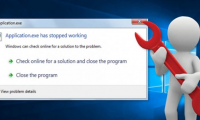 How to fix Has stopped working error on a windows computer
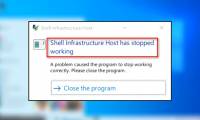 Steps to fix 'Shell Infrastructure Host Has Stopped Working' error in Windows
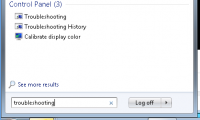 Tips for fixing 'Program has stopped working' error on Windows
 The easiest way to fix HTKK has stopped working error
 How to fix NoxPlayer Has Stopped Working error
Reader Comments 0
Sign in with email or Google to join the discussion.