Table of Contents
Overview
This guide explains http error 500 in clear, practical terms. It covers the key concepts, recommended steps, common limitations, and useful checks so you can make a better-informed decision.
While accessing the Internet, http error 500 occurs, making it impossible for us to access the website anymore. So what is the cause of this error? How to fix it?
What Is HTTP Error 500?
When you access a website and receive a message 500 Internal Server Error or http error 500, it means that the server of the website we are accessing is having problems. The problem that the website server is having can be due to too many people accessing at the same time,. htaccess file error, the server cannot determine the exact problem, etc.
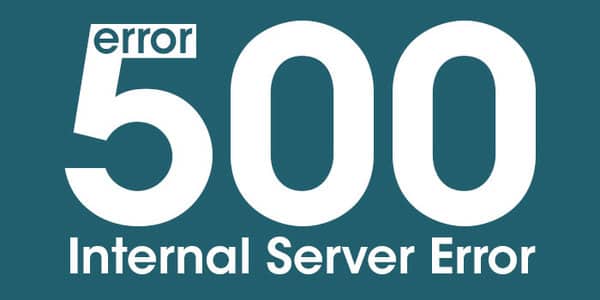
500 Internal Server Error due to website server error, inaccessible
Depending on the design and code structure of each different website, there will be different messages when this error appears. But in general, when encountering this problem, you will receive similar messages as follows:
- 500 Internal Server Error
- HTTP 500 - Internal Server Error
- Temporary Error (500)
- Internal Server Error
- HTTP 500 Internal Error
- 500 Error
- HTTP Error 500
- 500. That's an error
How to fix HTTP Error 500
Reload or refresh the page
This error is a temporary error on the server. If you encounter this error, you can download or press F5 to refresh the website you want to access.

Refreshing the website is the first thing to try when encountering http error 500
Clear browser cache
If your website's cache is corrupted, it could be the cause of the 500 error. However, this is rare. If it happens, the easiest way to fix it is to clear your browser's cache.
Delete Cookies on browser
Fix HTTP Error 500 by clearing Cookies on your browser. Restart your browser and then access the website after clearing all Cookies on your browser.
Fix some other 500 Internal Server Errors
Most of the time, the 500 Internal Server Error is caused by the server. Here are some common errors and how to fix them:
Incorrect file permissions: The cause of the 500 Internal Server Error may be that you have set incorrect permissions for files or folders on the server. Look at the error displayed on the URL and verify the permissions for the files and folders.
PHP Server Timed Out Error: This error usually occurs on Linux or Unix servers running PHP. If there is an error in PHP lib/package and the server cannot read the PHP file, it will cause a 500 Internal Server Error.
In some cases, error 500 occurs because the server is overloaded and the traffic is too much to handle.
. htaccess file error: If the. htaccess file on your server is corrupted or contains many error codes, it will cause 500 Internal Server Error. To fix error 500, you should make sure that there are no errors in the. htaccess file.
The easiest way to verify whether the 500 Internal Server Error is caused by the. htaccess file or not is to delete or move the file and then reload or refresh the website again. If the 500 error is gone, the cause of the error is the. htaccess file.
Key Takeaways
Use the guidance above as a practical reference for http error 500. Check compatibility, follow the steps carefully, and verify important details with official documentation when software, security, accounts, health, or purchases are involved.
FAQ
What is http error 500 used for?
Http error 500 is used for the purposes described in this guide. Its practical value depends on your goals, device, workflow, and required features.
What are the main benefits and limitations of http error 500?
The benefits may include convenience, performance, or greater control, while limitations can involve cost, compatibility, complexity, or security.
How do I decide whether http error 500 is right for me?
Compare its requirements, limitations, cost, compatibility, and real-world value with your own priorities before making a decision.



Reader Comments 0
Sign in with email or Google to join the discussion.