Table of Contents
This article provides a clear overview of Viewing GIFs Can Also Be Hacked for Microsoft Teams Account, with the main facts, useful context, and practical details organized for easy reading.
Cyber security researchers from the CyberArk security team have recently found a vulnerability related to subdomain hijacking combined with malicious. GIF animations, which can be used by hackers. to "occupy valuable personal data in Microsoft Teams user accounts".
The team said that this relatively serious security flaw affects the Microsoft Teams platform on both desktop versions as well as on web browsers. What makes the vulnerability more dangerous lies in the value of data that hackers can steal if successfully hacked into a victim's account. The majority of Microsoft Teams' customers are businesses and organizations, so the platform currently contains a large amount of valuable information at the enterprise level - an attractive bait that cybercriminals target.
During the vulnerability detection process, the CyberArk team discovered that every time the application was opened, the Teams client automatically generated a new access token, authenticated via login. microsoftonline. com. Other similar tokens are created to access integrated support services like SharePoint and Outlook.
The 2 cookies used to restrict access to content are "authtoken" and "skypetoken_asm". The Skype token is sent to teams. microsoft. com and its subdomains - two of which were found to be vulnerable to hijacking.
"If an attacker could somehow force a user to gain access to the subdomains already taken, the victim's browser will send this cookie to the attacker's server and they can generate a Skype token. After doing all this, an attacker could steal the victim's Teams account data , " the CyberArk team said.
However, this chain of attacks is very complex, as an attacker needs to issue certificates for compromised subdomains - only possible by 'proving' ownership by tests like uploading a file. specific path.
To overcome this problem, the hacker will send malicious links to vulnerable subdomains, or. GIF files containing malicious tokens designed to hijack Teams users' session when they click that. GIF file. This attack can affect multiple individuals at a time.
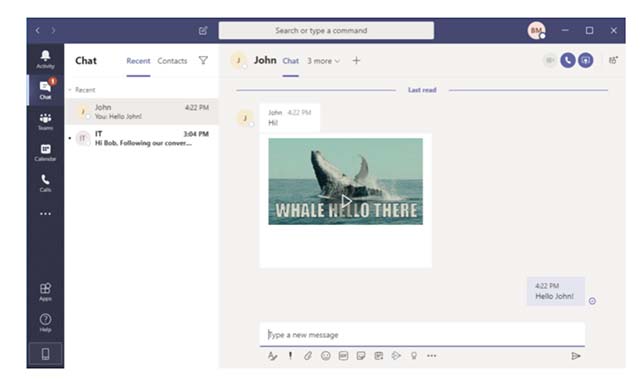 Malicious GIF file
All information about the flaw was reported by CyberArk to Microsoft, and the Redmond company has quickly released a patch to fix the vulnerability as well as minimize the risk of similar errors in the future.
FAQ
What is the main focus of Viewing GIFs Can Also Be Hacked for Microsoft Teams Account?
The article explains the most important facts, context, and practical details related to Viewing GIFs Can Also Be Hacked for Microsoft Teams Account.
Who may find this information useful?
It is useful for readers who want a clear overview, practical context, and a better understanding of the subject.
What should readers verify before taking action?
Check current product versions, official requirements, regional availability, and any details that may have changed since the original publication.
Related Articles
 How to Create a Free Microsoft Teams Account Without EDU3 minutes read
 How to Reopen Previously Visited Locations in Microsoft3 minutes read
 How to Know If Facebook, Instagram, Google and Other Social8 minutes read
 Link Download Microsoft Teams 1.3.00.35649 minutes read
 How to Sync Files in Microsoft Teams with a Computer6 minutes read
 Steps to Recover Microsoft Teams Password3 minutes read
Reader Comments 0
Sign in with email or Google to join the discussion.