Table of Contents
This article provides a clear overview of The System 'Cleanup' Application on Windows 10 Will Be, with the main facts, useful context, and practical details organized for easy reading.
Currently, this default cleaning application on Windows 10 is being upgraded and improved by Microsoft to be more useful, more user friendly.
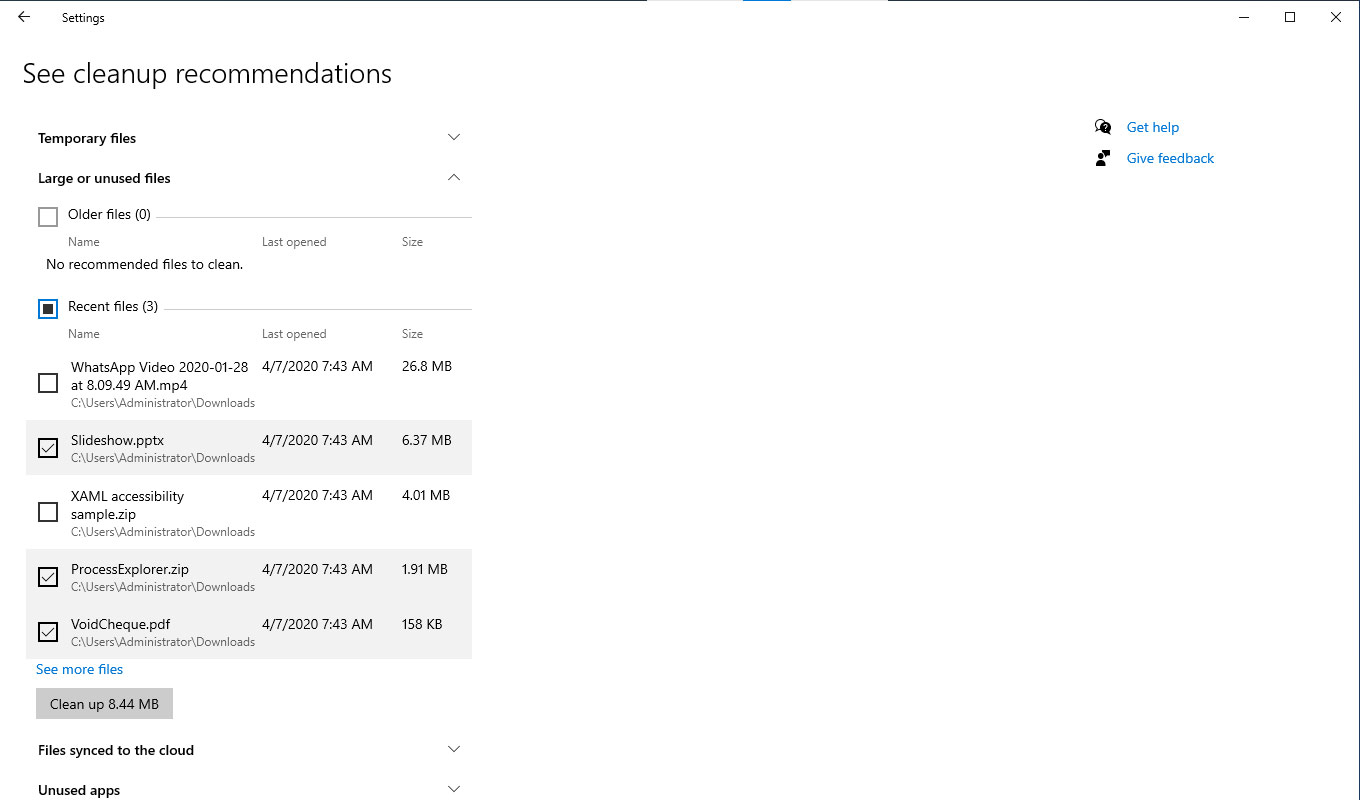
Basically, this cleanup tool of Windows 10 will have a new, more user-friendly interface in the upcoming update. The application's options will display fully on a single page. This will help users easily select the data to be deleted.
The cleaning tips and options are grouped into different categories such as unused files, large files, temporary files, etc.
The application will also list recently manipulated files as data saved in the download folder. The new update also allows users to delete files that have been synced to the cloud or unnecessary applications.
As expected, Windows 10 version 2004 (Windows 10 May 2020 Update) will be released next month. Microsoft is currently finalizing the final steps before moving the installer to Windows Insider users.
FAQ
What is the main focus of The System 'Cleanup' Application on Windows 10 Will Be?
The article explains the most important facts, context, and practical details related to The System 'Cleanup' Application on Windows 10 Will Be.
Who may find this information useful?
It is useful for readers who want a clear overview, practical context, and a better understanding of the subject.
What should readers verify before taking action?
Check current product versions, official requirements, regional availability, and any details that may have changed since the original publication.
Related Articles
 Which System Cleanup Utility Should Be Used for Windows?7 minutes read
 Cleanup.pictures - Download the Latest Cleanup.pictures Here7 minutes read
 Free Up Hard Drive Space Automatically on Windows 10 with Disk7 minutes read
 How to Clean Up Windows 10 According to the Timetable6 minutes read
 What Can Be Deleted in Windows Disk Cleanup?7 minutes read
 Error Missing Disk Cleanup on Windows 10/8/7, This Is a Fix3 minutes read
Reader Comments 0
Sign in with email or Google to join the discussion.