Table of Contents
You can replace the internal SSD on some older MacBook Air and MacBook Pro models. Many newer models have storage integrated into the logic board. Check the exact model identifier before buying a drive or opening the computer.
Confirm the MacBook and the SSD type
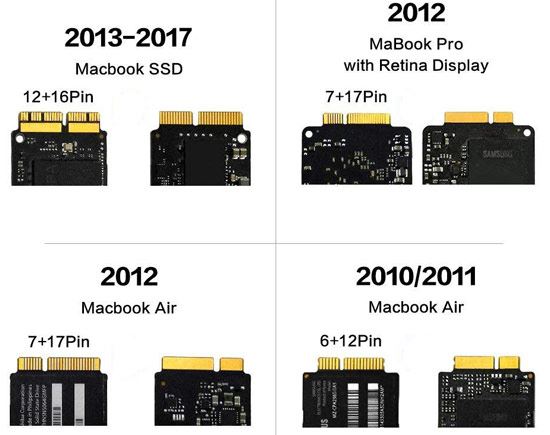
Open Apple menu > About This Mac, then check the model and year. Use System Information to find the model identifier if needed. Look up a repair guide and replacement drive for that exact model. For example, iFixit lists an SSD for certain older Air and Retina Pro models. Similar-looking blade drives and adapters aren’t always interchangeable.
Back up and prepare a macOS recovery path
Make a Time Machine backup and check that it finishes. Confirm that you have a working macOS Recovery or official installer option for your model, especially if the replacement drive is blank. See how to back up your Mac before beginning.
Use the disassembly guide for your model
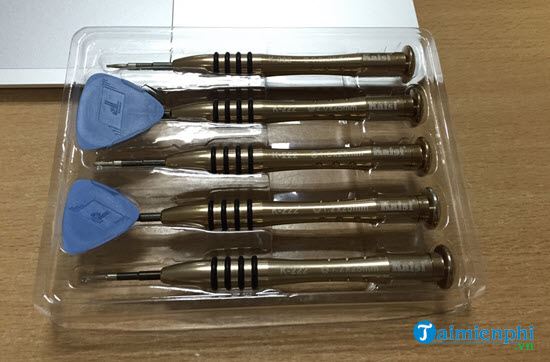
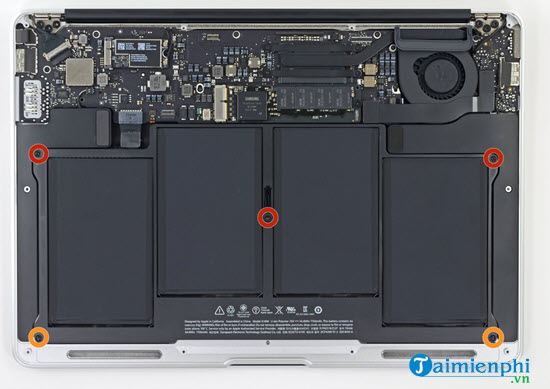
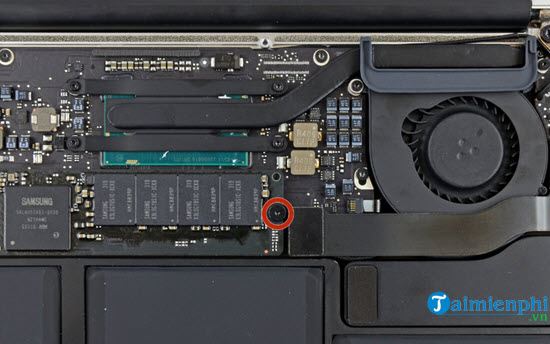
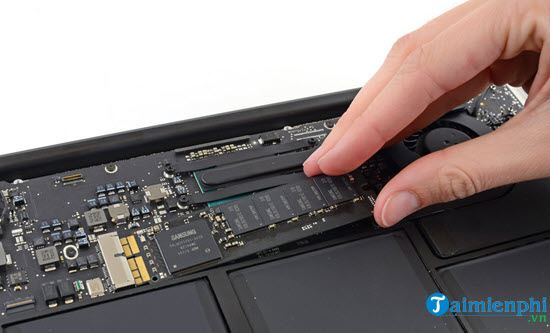
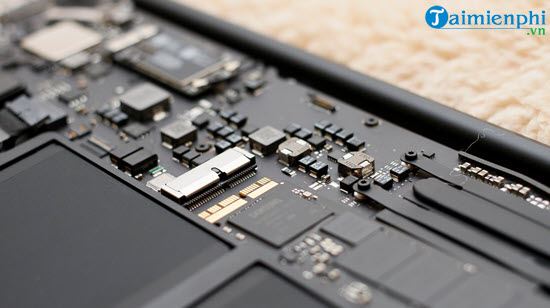
Shut down, unplug power, and follow the model’s instructions for removing the bottom case and disconnecting the battery before touching the drive. Keep track of screw lengths and avoid tools that can damage connectors. The original photos show one older removable-SSD design; fasteners and battery connectors vary.


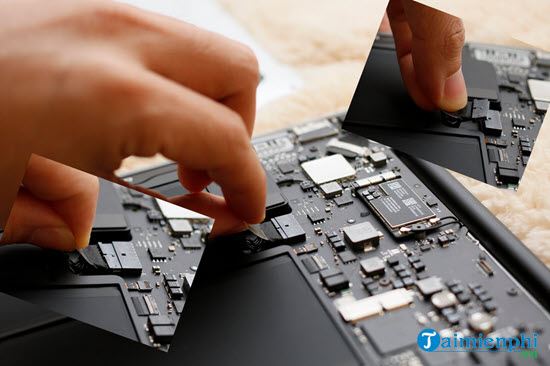
On a model with a removable blade SSD, remove its retaining screw, replace the drive as the service guide shows, and reassemble. Start macOS Recovery, prepare the new disk as instructed for your macOS version, install macOS, and restore or migrate your files. If the internal storage is fixed, use an external SSD for extra space.



Reader Comments 0
Sign in with email or Google to join the discussion.