Table of Contents
This guide provides a clear, practical overview of iOS 14.5 helps users hide IP from Google scrutiny, with useful context, important details, and straightforward takeaways for everyday readers.
Before that, Apple integrated the Safari browser on iOS feature "Phishing Website Warning" . This feature will warn users about dangerous websites that have been reported as fraudulent, malicious or dangerous.
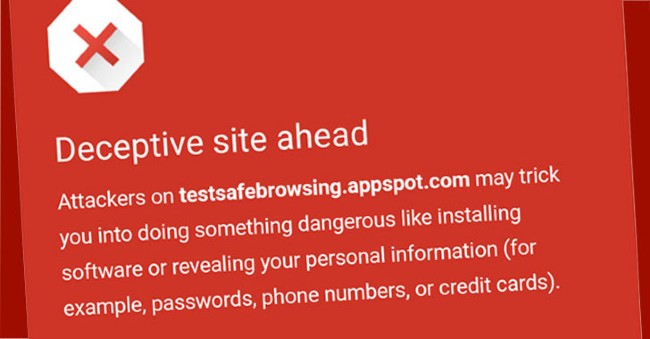
To do this, Apple relies on Google's Safe Browsing website checker (or Tencent for Chinese users). These tools will check the website the user visited and compare it with the reported phishing site data. If coincidence, Safari will block users from visiting that website and display a warning.
This method does not reveal the URL that the user wants to visit with Google or Tencent. However, it will leak the device's IP address.
So, on iOS 14.5 Apple will reroute the verification process through a proxy owned by Apple. As a result, all user requests are derived from the same Apple IP.
This change is one of the measures towards the protection of user privacy that Apple has recently implemented. Currently, Apple has a program that requires developers to publicize the data they track of users.
Currently, iOS 14.5 is in beta with beta 2, the official version is expected to be released later this spring.
Key Takeaways
Use the information above as a practical reference for iOS 14.5 helps users hide IP from Google scrutiny. Review each step carefully, confirm any requirements, and choose the option that best fits your situation.
FAQ
What does this guide explain about iOS 14.5 Helps Users Hide IP from Google Scrutiny?
It explains the main concepts, practical considerations, and useful steps related to iOS 14.5 helps users hide IP from Google scrutiny without requiring advanced knowledge.
Who can benefit from learning about iOS 14.5 Helps Users Hide IP from Google Scrutiny?
This information is useful for readers who want a clear overview, practical guidance, and reliable steps related to iOS 14.5 helps users hide IP from Google scrutiny.
What should I check before applying this information?
Review the requirements, confirm that your device, software, or situation matches the instructions, and back up important data before making major changes.
Related Articles
 This Chrome Extension Will Help You Hide Google's 'Spam' AI Content4 minutes read
 Offer Hide Anything, the Security Application That Helps File on4 minutes read
 Instructions to Hide Slides on Google Slides3 minutes read
 Instructions for Using Hide My Ass to Hide IP14 minutes read
 How to Quickly Hide Photos on Google Photos, Not Allowing3 minutes read
 How to Hide Google Photos Content from Other Apps2 minutes read
Reader Comments 0
Sign in with email or Google to join the discussion.