Table of Contents
This updated guide examines How to Run a Batch File from the Command Line on Windows and organizes the essential facts, background, and practical takeaways in clear American English.
Method 1of 2:
Using Run
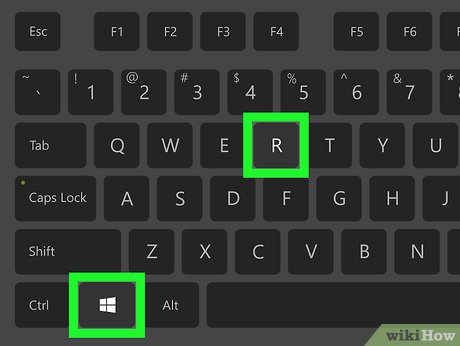 Press⊞Win+R. This opens the Run dialog.
- If you need to run the batch file as an administrator, see this method instead.
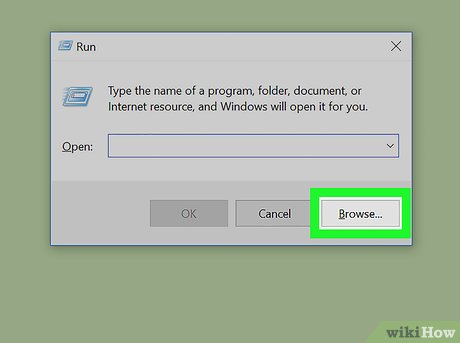 ClickBrowse….
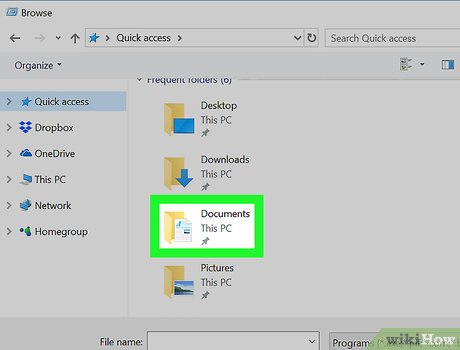 Navigate to the folder that contains the batch file.
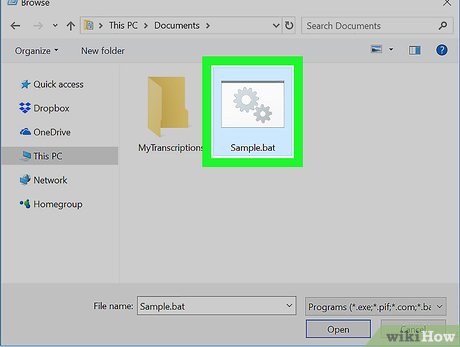 Click the batch file once to select it. The file is now highlighted.
 ClickOpen. This pastes the full path to the batch file into the Run box.
 ClickOK. The batch file will open in a terminal window and run. When it's finished running, you'll see a line at the bottom of the window that says 'Press any key to continue.'
 Press any key. This closes the terminal window after the command runs.
Method 2of 2:
Using a Terminal Window
 Click the
 menu. It's usually at the bottom-left corner of the screen.
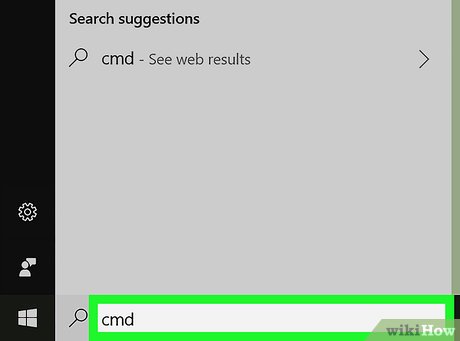 Typecmdinto the search bar. A list of matching results will appear.
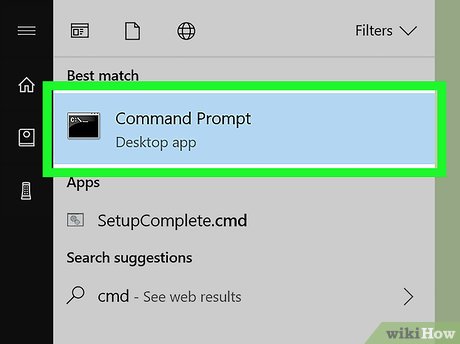 Right-clickCommand Prompt. A menu will expand.
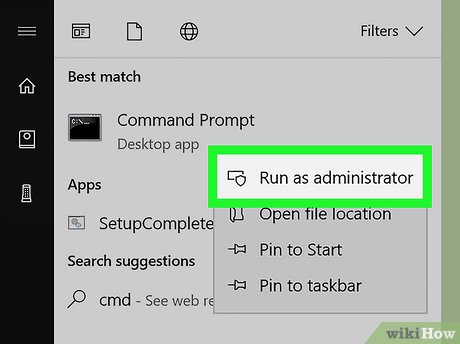 ClickRun as Administrator. A confirmation message will appear.
 ClickYes. This opens the command line at an elevated (administrator) level.
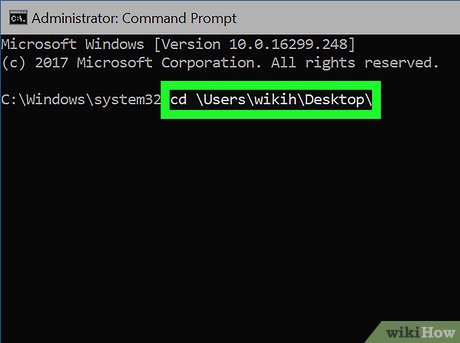 Typecdfollowed by full path to the folder with the. BAT file. Here's an example:
- If the batch file is on your desktop, typecd UsersYourLoginNameDesktop.
- If it's in your downloads folder, typecd UsersYourLoginNameDownloads.
- If you don't know what your login name is, typecd Usersand press↵Enterto go to the Users folder, and then typedirand press↵Enterto see a list of logins.
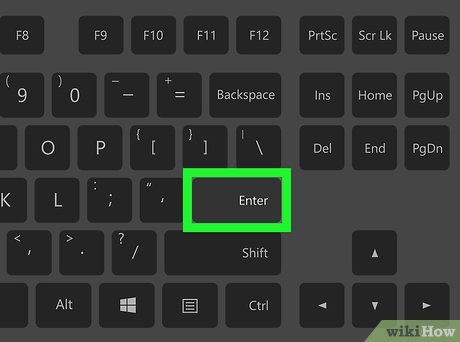 Press↵Enter. This will move you into the directory.
 Type the name of the batch file. For example, if it's called 'program.bat,' typeprogram.bat.
- If you don't know the name, typedirand press↵Enterto view the files in the folder. You'll find it there.
 Press↵Enter. This runs the batch file.
FAQ
What is How to Run a Batch File from the Command Line on Windows about?
It provides a structured overview of file, explains the main context, and highlights practical takeaways for readers.
Why does this topic matter?
Understanding the main concepts helps readers evaluate the issue, avoid common mistakes, and make better-informed decisions.
How should readers use this information?
Use the guidance as a practical starting point, confirm details that may have changed, and follow current product, safety, or security recommendations.
Related Articles
 How to Execute Batch File from Command Line on Windows: Practical Guide4 minutes read
 How to Launch BAT Files on Windows5 minutes read
 Setlocal Command in Windows: Tips and Examples5 minutes read
 10 Useful Commands in Windows You Should Know7 minutes read
 5 IF Commands Help Use Batch Script Smarter9 minutes read
 How to Delete a File in Microsoft Windows Using Batch Files11 minutes read
Reader Comments 0
Sign in with email or Google to join the discussion.