Table of Contents
Overview
This guide explains how to reset tp-link Wi-Fi modem in a snap in clear, practical terms. It covers the key concepts, recommended steps, common limitations, and useful checks so you can make a better-informed decision.
In the process of using Wi-Fi Internet at home, sometimes just because of random setting of strange Wi-Fi passwords and then we can not remember them. At that time, resetting Wi-Fi is a simple way for us to reinstall our Wi-Fi modem quickly and easily. Even in the case when you find your Wi-Fi modem is not working properly, resetting Wi-Fi is also a surprisingly effective method to restore the network status to its original state.
However, resetting Wi-Fi will erase all old settings on the Wi-Fi modem and restore it to its original state. And of course, you can then reinstall Wi-Fi with new settings as you wish.
When do you need to reset Wi-Fi modem?
As mentioned at the beginning of the article, resetting the Wi-Fi modem will restore the device's factory settings. Therefore, if you fall into one of the following situations, reset the Wi-Fi:
- You forgot the password to log in to its web-based setup interface.
- You have network problems and want to reinstall from scratch
- Your modem, Wi-Fi router has a problem and cannot be fixed by restarting
- You want to give or sell your old Wi-Fi modem to someone else
How to reset TP-Link Wi-Fi transmitter
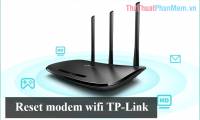
Normally, resetting Wi-Fi devices has a similar way of doing it. In this guide, this guide explains how to reset TP-Link Wi-Fi modem, a popular Wi-Fi modem type today.
How to reset TP-Link Wi-Fi using hard reset button
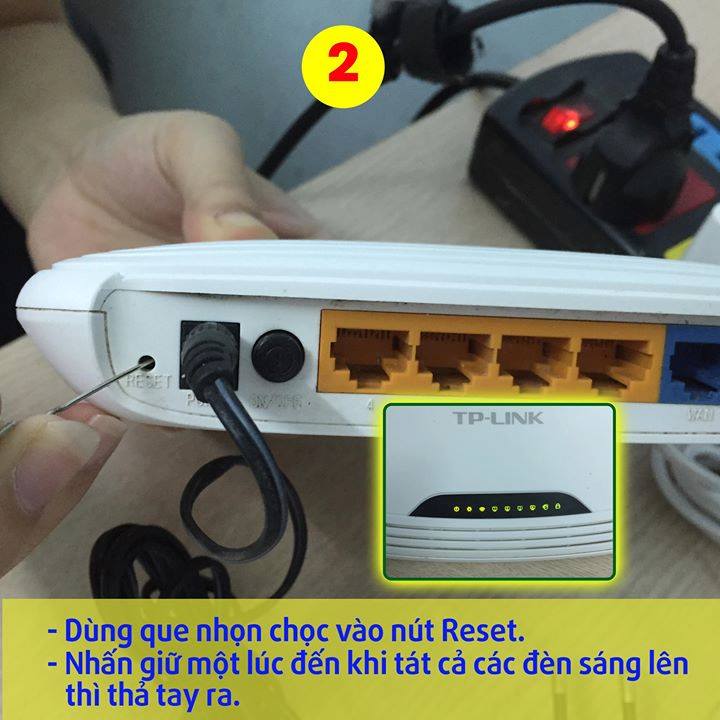
Any Wi-Fi modem device from popular to high-end is equipped with a small reset button to restore the factory settings when encountering problems or forgetting the administrator password. To avoid users accidentally pressing it, they are usually designed on the bottom of the device or next to the LAN ports on the back. Moreover, these reset buttons are also designed very small, we can hardly use our hands to operate.

After finding the reset button on the TP-Link Wi-Fi on the back, use a sharp object (can be a ballpoint pen tip, hard toothpick, or pin tip.) to poke and hold the reset button for about 10 seconds. When you see all the indicator lights on the device flashing at the same time, it is a signal that your TP-Link Wi-Fi has been successfully reset to default.
Reset TP-Link Wi-Fi on Web interface
In case you can still log in to TP-Link's Web settings interface or don't want to delete all settings you can use this method.
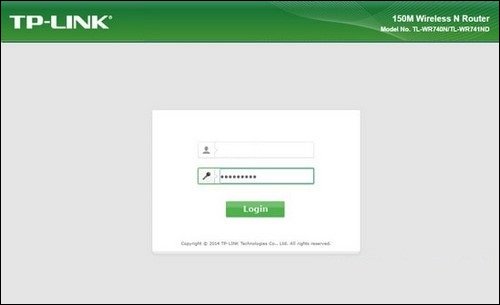
- Log in to the web interface by opening a browser and accessing the router's gateway IP address, usually 192.168.1.1 or 192.168.0.1. If you cannot log in using the above IP address, you can access it via the following link: the referenced website
- When the TP-Link login window appears, log in to the admin page with your account. If you have not changed the admin account, you can log in with the account name/password: admin/admin
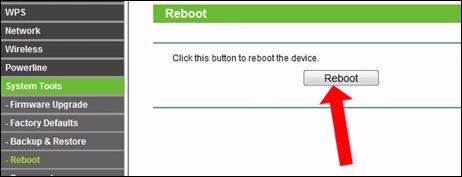
- In the main interface, access the path System Tools > Reboot > Reboot and press OK to reset the TP Link Wi-Fi router.
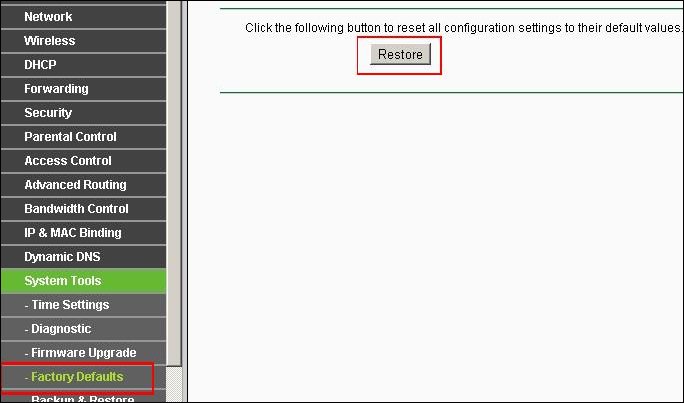
- In case you want to delete all settings and reset the TP Link router to its original state as when you first bought it, click Factory Defaults > Restore to restart and reset the TP Link router.
With the two ways to reset TP-Link Wi-Fi above, all your network problems or forgotten passwords will be solved quickly and neatly. Then you can reset the Wi-Fi name and new password as you like. Remember not to forget it again! Good luck!
Key Takeaways
Use the guidance above as a practical reference for reset tp-link Wi-Fi modem quickly in a snap. Check compatibility, follow the steps carefully, and verify important details with official documentation when software, security, accounts, health, or purchases are involved.
FAQ
How do I reset tp-link Wi-Fi modem in a snap?
Follow the steps in this guide in order, confirm each setting before continuing, and save, restart, or reconnect the device when the instructions require it.
What should I check before I begin?
Confirm the correct device, account access, software version, compatibility, and a current backup whenever the process could affect files, settings, or security.
What should I do if the process does not work?
Repeat the steps carefully, check for model or version differences, install available updates, and consult the manufacturer's official support documentation.
Related Articles
 The Most Guide on How to Reset a TP-Link Wi-Fi Modem to Its Default Settings4 minutes read
 How to Reset Wi-Fi TP-Link to Factory Defaults4 minutes read
 Common TP-Link Modem Login Addresses - Change Password and Wi-Fi Name4 minutes read
 Steps to Reset Wi-Fi Modem6 minutes read
 Common Tp Link Modem Login Addresses3 minutes read
 Reset Wi-Fi: How to Reset Tp-link Wi-Fi Router3 minutes read
Reader Comments 0
Sign in with email or Google to join the discussion.