Table of Contents
This practical guide explains how to fix boot loop problems in windows with clear steps and useful context. It also covers common requirements, potential problems, and the details that can help you get better results.
If you can't get past the login screen, try one of the following solutions for Windows 10 and 11.
Use Advanced Troubleshooting Options in Safe Mode
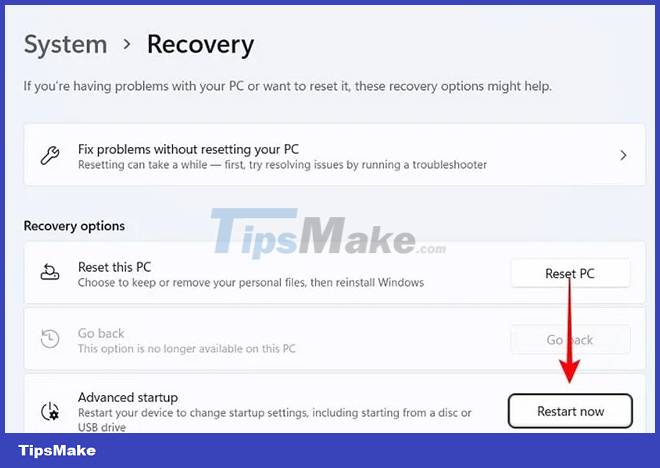
When you find your computer stuck in an infinite boot loop, chances are you won't be able to access your login screen. Here's how to regain access.
Step 1. First unplug the power, remove the battery and reinsert it.
Step 2. Press the Power button for 30 seconds or more. This will remove any remaining charge in the circuit.
Step 3. Reconnect the power supply and reinsert the battery.
Step 4. Restart the computer using the Power button but use the start keys to boot your PC into Safe Mode. These keys vary by PC manufacturer.
Next, you can choose one of the following options:
- Uninstall recent Windows update
- System recovery
- Reset PC
Fix Driver Validity Issues with Sigverif
Faulty and incompatible Windows drivers are the main cause of slow startup and other startup problems. Microsoft uses the Signature Verification Tool (Sigverif) to manually determine if all of your computer's drivers have valid digital signatures. If not, you can fix those driver issues right away.
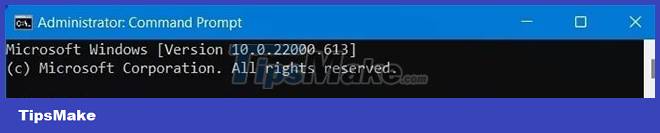
Step 1. Open the Command Prompt application with admin rights. Alternatively, you can also access the Command Prompt in Safe Mode from 'Advanced Troubleshooting'.
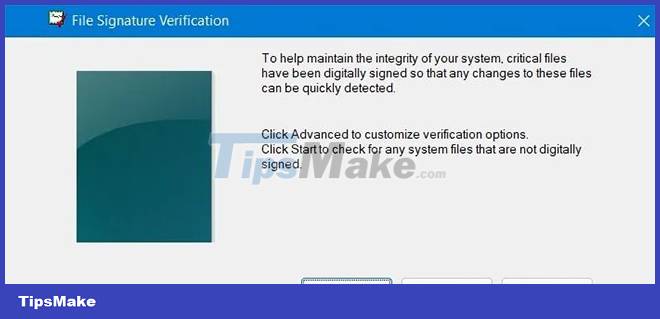
Step 2. Next to the 'C:/Windows/System32' prompt, entering the command sigverif.exe will open a new pop-up window.
Step 3. Click Start for File Signature Verification in the next pop-up window. Avoid the Advanced menu.
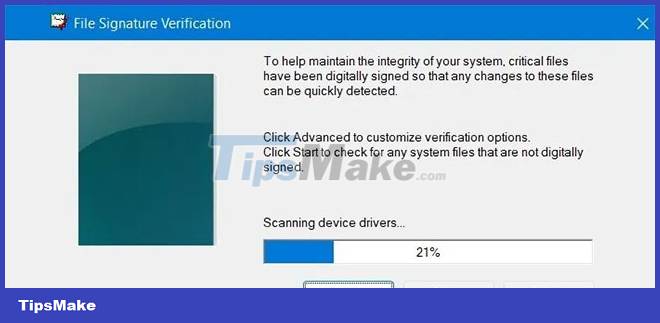
Step 4. Wait for the "File Signature Verification" scan to complete. This will identify any system files or drivers that are not digitally signed.
Step 5. In the Signature Verification Results window, you can view all the unsigned system files.

Step 6. Go back to Command Prompt and type takeown /f "Insert driver name" . This will help the admin user to specify a valid digital signature for unsigned drivers.
Step 7. You will see "Success" status once the process is complete.
Step 8. To finish, run the System File Checker scan using sfc /scannow . This should fix any remaining driver integrity issues.
Remove Lock Screen Images and Screensavers During Startup
When you start your Windows 11/10 PC, it will first go to the lock screen and screensaver. Sometimes it hangs there for a few minutes without loading the username and password input screen. If you want to boot faster to your login screen, you should remove these unnecessary components.
Step 1. From the Windows 11/10 search menu, select Lock screen settings . You can also access it from Settings > Personalization .
Step 2. Make sure that the 'Show the lock screen background picture on the sign in screen' option is turned off. Setting 'Lock screen status' to None is also helpful. So there will be no Lock Screen apps on next boot.
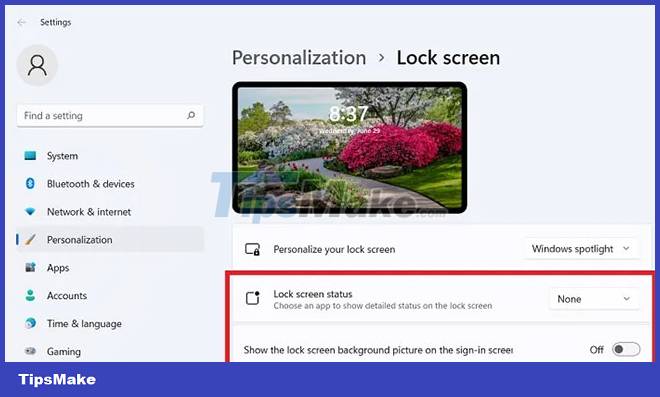
Step 3. After deleting the lock screen background image, you will get a blank lock screen, which loads faster.
Step 4. You can also choose to disable screensavers from Settings > Personalization .
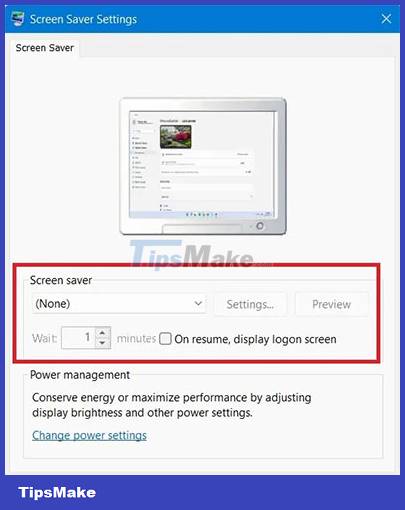
Step 5. If you turn off the screensaver, it won't be a factor in the next Windows startup, resulting in faster boot times.
Remove Unwanted Third-Party Applications from the Startup Process
If there are any unwanted programs running during startup, you can remove them so they don't cause any future interruptions. Some installed third-party application utilities tend to load during the next Windows startup. They are the ones that should be removed.
Step 1. Display the Run command menu by pressing the Win + R keys on the keyboard.
Step 2. Type regedit to open the Registry Editor.
Step 3. After opening Registry Editor, follow the path:
Computer/HKEY_LOCAL_MACHINE/SYSTEM/CurrentControlSet/Control/ServiceGroupOrderStep 4. Double-clicking the List menu item will lead to a new pop-up screen.
Step 5. In the Edit Multi-String window, you can see a complete list of Windows processes and third-party applications that play a role in Windows startup. If you see any unwanted programs such as antivirus or other third-party applications, consider removing them.
Warning : Do not modify your existing Windows processes. The simple rule is that if it's a Microsoft built-in process, you should leave it as is. Just remove third-party apps.
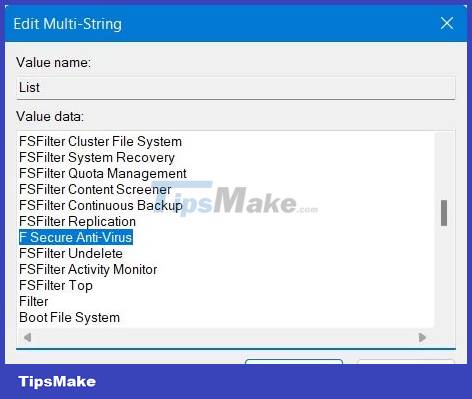
Step 6. You should also remove as many startup applications as possible. Search for 'Startup apps' from the search menu.
Uninstall Bloatware
There are a lot of clunky programs that can have a huge impact on the Windows startup process. It may be safer to uninstall them completely from your Windows PC.
Clean Windows Installation
Performing a clean install of Windows is one of the ways recommended by Microsoft to get rid of the slow startup problem.
Conclusion
Understanding Boot Loop makes it easier to compare options, avoid common mistakes, and apply the information in this guide more effectively. Review the relevant requirements before making changes or choosing a solution.
FAQ
How do you fix boot loop problems in windows?
Follow the steps in this guide in order, confirm the required settings or tools, and verify the result before making additional changes.
Is it safe to fix boot loop problems in windows?
It is generally safe when you follow the recommended instructions, use trusted tools, and avoid changing settings you do not understand.
What should you do if the process does not work?
Recheck the requirements, restart the device or application when appropriate, and review each step for missed settings or compatibility issues.
Related Articles
 Fix Repeated Boot Errors on Windows 76 minutes read
 How to Implement Clean Boot on Windows 10/8/74 minutes read
 WHILE Loop in SQL Server: Explained1 minutes read
 The Loop Technique in Python8 minutes read
 How to Troubleshoot Refresh Loop in Microsoft Store on Windows 104 minutes read
 While Loop in SQL Server: FOR Loop in SQL Server3 minutes read
Reader Comments 0
Sign in with email or Google to join the discussion.