Table of Contents
This guide explains how to check the Laptop Video Card, with clear steps, practical tips, and important checks before you begin.

Method 1: Check the video card through the command "dxdiag"
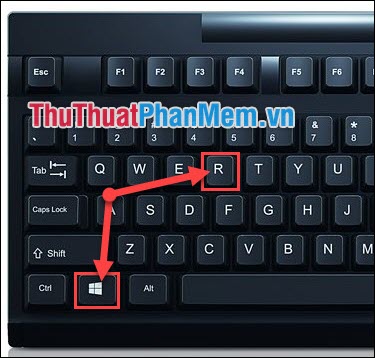
Step 1 : At the desktop interface, press the key combination Windows + R to open the Run window.
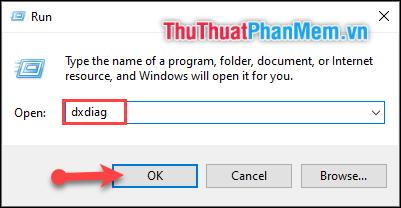
Step 2 : Then type the command " dxdiag " and then select OK .
Step 3 : Then the DirectX Diagnostic Tool window appears, you will give yourself an overview of your personal computer / laptop such as: Supported operating systems - CPU parameters - amount of RAM.

Step 4 : To check the information of the display card, please switch to the Display tab.
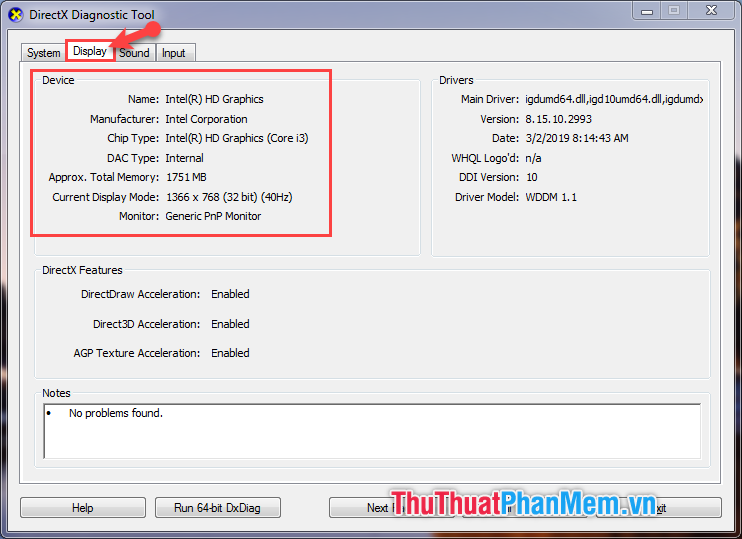
For example, the laptop we are using onboard Card . They are usually labeled Intel HD Graphics .
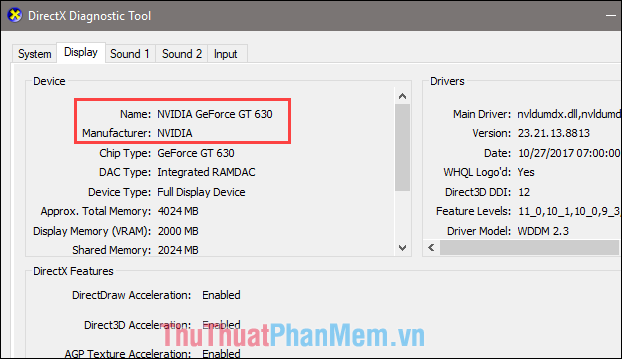
As for display cards that are Nvidia, AMD or ATI, the computer is using discrete video cards. It will bring higher performance, but comes with a higher cost than the onboard cards.
Method 2: Use GPU-Z software
Step 1 : You access the address https://www. guru3d. com/files-details/gpu-z-download-techpowerup. html.
Then download and install the CPU-Z software.
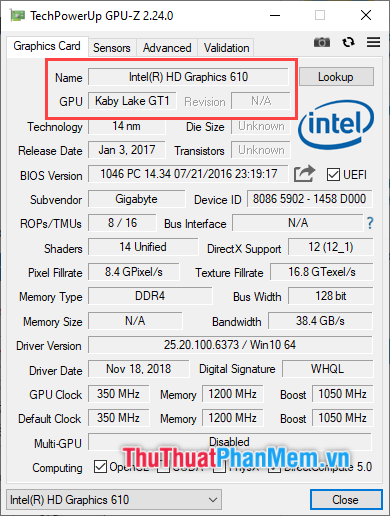
Step 2 : Then you launch the software. The parameters of your computer will display in full here. The Name at the top is the name of the computer card you are using.
Method 3: Use CPU-Z software
Similar to GPU-Z software, CPU-Z will also help users grasp the configuration information and components in their computers.
Download the CPU-Z software at: https://www. cpuid. com/softwares/cpu-z. html.
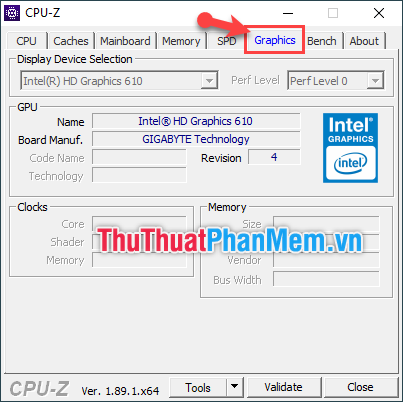
To find out which video card you're using, switch to the Graphics tab.
Here are instructions on how to check the video card on your computer / laptop. Hopefully through this article you can easily grasp better yourself about the detailed configuration as well as components in your personal computer. Thank you for following the article. I wish you successful implementation!
FAQ
What should I know about Check the Laptop Video Card?
Focus on the key features, requirements, limitations, and practical use cases explained in this guide.
How do I get the best results with Check the Laptop Video Card?
Follow the recommended steps, use current software or information, confirm compatibility, and review settings before major changes.
Are there any risks or limitations?
Potential limitations depend on compatibility, data quality, cost, privacy, support, and how the product or method is used.
Related Articles
 5+ Ways to Check Your Graphics Card7 minutes read
 4 Most Effective Ways to Check If Your Video Card Is Running or Not8 minutes read
 6 Ways to Check Computer Video Card in Less Than 5 Minutes6 minutes read
 Is Laptop Video Card the Same as PC?6 minutes read
 How to View the Video Card, Check the Discrete Video Card, Onboard3 minutes read
 How to Check If Your VGA Card Is a Dedicated or Integrated Graphics Card5 minutes read
Reader Comments 0
Sign in with email or Google to join the discussion.