Table of Contents
DNA is incredibly useful in uncovering ancient mysteries. So how long can DNA last in good storage conditions?
DNA Is incredibly useful in uncovering ancient mysteries. So How long can DNA last in good storage conditions? Let's find out!
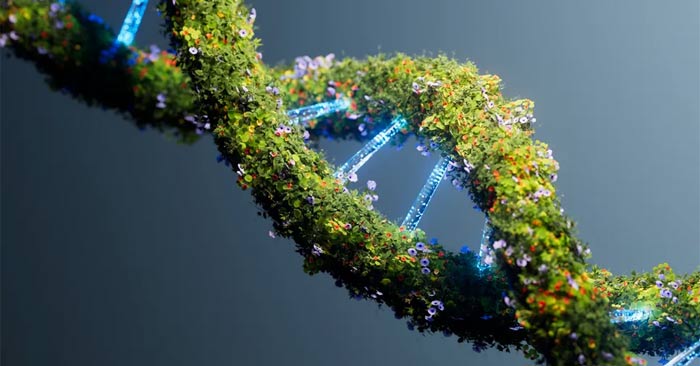
The world's oldest DNA comes from a 2.4 million-year-old ecosystem in Greenland. Could scientists finally sequence even older DNA?
Scientists have been using ancient DNA to study questions about extinct animals since 1984, when they recovered two DNA fragments from a museum specimen of a quagga, a zebra-like species that went extinct in the 19th century. Over the past 40 years, advances in technology have allowed scientists to sequence increasingly ancient DNA from animals and plants, with the current record belonging to a 2.4 million-year-old Greenland ecosystem.
But is DNA likely to survive much longer? Because DNA preservation depends on so many environmental factors, scientists are still trying to answer the question of how long DNA can last, both theoretically and practically.
" It's less than people thought in the early 1990s, but more than people thought in the early 2000s ," Tom Gilbert, director of the Center for Evolutionary Genomics at the Danish National Research Foundation, told Live Science. " The reason I say that is because the early 1990s were like the 'Jurassic Park' era ."
Are humans and chimpanzees really 99% identical in DNA?
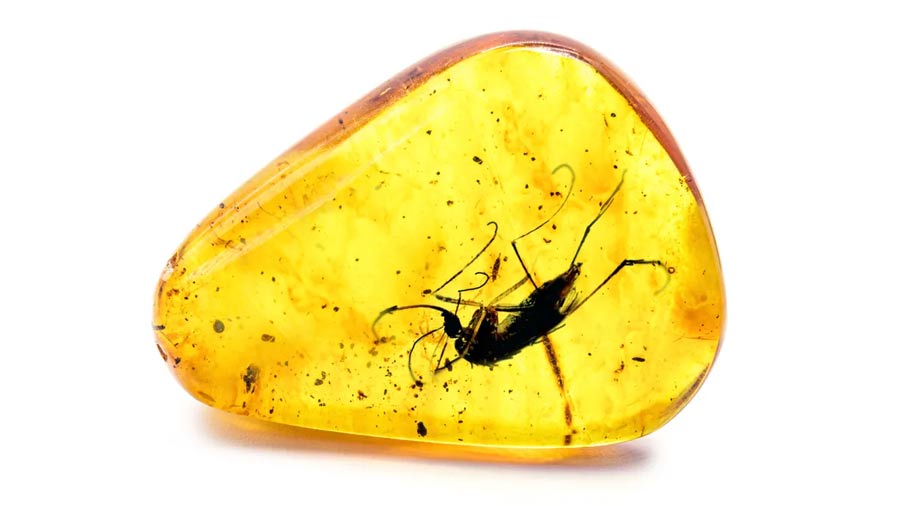
Michael Crichton's science fiction novel "Jurassic Park" (Knopf, 1990)—in which a billionaire founder of a bioengineering company extracts dinosaur DNA from insects fossilized in amber and resurrects several extinct species—was a stepping stone into the world of ancient DNA for a generation, including scientists.
" People started looking for DNA in Cretaceous fossils " of organisms that lived between 145 million and 66 million years ago, " And the DNA turned out to be things like bacteria but not so ancient, " Gilbert said.
Gilbert co-authored a 2012 study that used statistics to model the " Half-life " of DNA in bone and test claims of extraordinary DNA survival in Cretaceous specimens.
The team analyzed the mitochondrial DNA in 158 bones of the extinct moa bird from New Zealand, which were carbon dated. By looking at how the DNA degraded over time, the team found that the 'half -life ' of DNA – when half the DNA bonds in a sample have broken down – is about 521 years.
The model predicts that, under ideal conditions, DNA could last about 6.8 million years — not long enough for Jurassic Park to become a reality.
" The best conditions for preserving ancient DNA are cold, dark, dry, and fresh, " Jennifer Raff, a biological anthropologist at the University of Kansas, told Live Science. " These permafrost conditions are often where you can get the best DNA. "
This explains why the oldest DNA to date was found in 2.4 million-year-old sediments in Greenland, and why the oldest genome sequenced to date—from a mammoth that lived 1.2 million years ago—was found in Siberia.
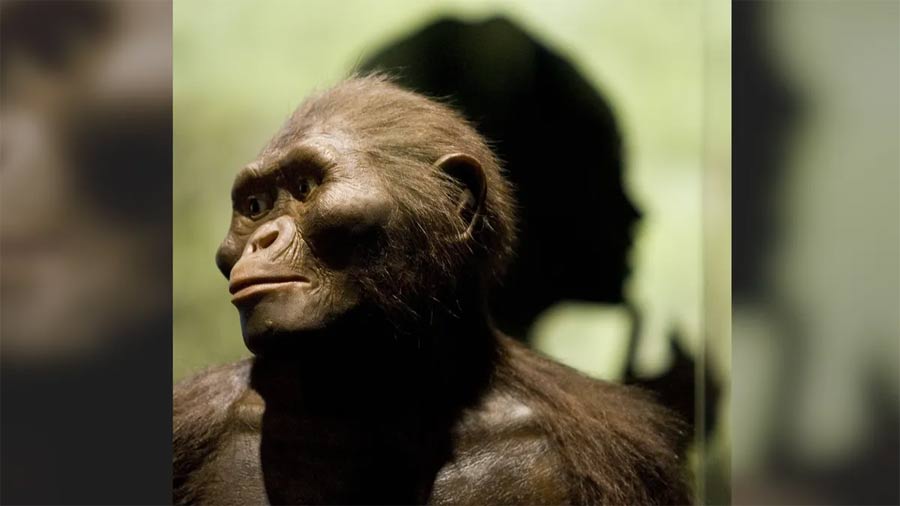
This begs the question, how old could the oldest DNA from a human or close human relative be?
Humans evolved mainly in warm, humid geographic areas where DNA is poorly preserved. This limits our ability to learn about our ancient ancestors and related species from their DNA.
DNA from Neanderthals, our closest extinct relative, was extracted in 1997 from a 40,000-year-old Neanderthal discovered in 1856 in the Kleine Feldhofer cave in Germany. Meanwhile, the world's oldest DNA from a human relative comes from Sima de los Huesos ("The Pit of Bones") in an underground cave in Spain's Atapuerca Mountains. In 2022, researchers sequenced DNA from the femur of a relative who lived 400,000 years ago, suggesting that this group may have given rise to both Neanderthals and Denisovans.
Evidence of ancient DNA from Africa, where humans evolved over millions of years, is currently very limited. Due to conservation issues, the oldest DNA from sub-Saharan Africa is only 20,000 years old and belongs to modern Homo sapiens. Combined with the predicted half-life of DNA, In practice, scientists are limited in their ability to study the genetics of our earliest human ancestors.
Although 2.4 million years is the current record for the oldest meaningful DNA sequenced, older DNA could still be found in the future, possibly under the Antarctic ice sheets.
FAQ
What should you know about how long can DNA last?
In practical terms, dNA is incredibly useful in uncovering ancient mysteries. So how long can DNA last in good storage conditions.
Why does how long can DNA last matter?
The article highlights that because DNA preservation depends on so many environmental factors, scientists are still trying to answer the question of how long DNA can last, both theoretically and practically.
What is the main takeaway?
The main takeaway is that the model predicts that, under ideal conditions, DNA could last about 6.8 million years — not long enough for Jurassic Park to become a reality.
Related Articles
 How to Take Stunning Long Exposure Photos with Your Phone7 minutes read
 Giraffes Have a Long Neck Not to Eat Leaves on the Tops of Trees3 minutes read
 How to Fix the Long Path of the Directory Path on Windows5 minutes read
 How to Do and Research on Long Tail Keyword in SEO - Part 115 minutes read
 How to Take a Long Screenshot on a Windows 11 Computer4 minutes read
 A Simple Way to Delete a Folder with a Long Name on Windows8 minutes read
Reader Comments 0
Sign in with email or Google to join the discussion.