Table of Contents
This article explores Google built 180 satellites to provide internet for remote areas with straightforward explanations and useful context. It also highlights common questions and important details to consider.
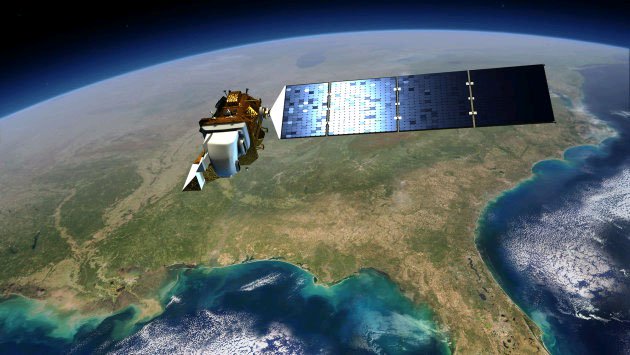
How Google Built 180 Satellites to Provide Internet for Remote Areas Works
This is the company's latest effort in the telecommunications sector and will probably work in conjunction with the previous Project Loon Internet Bubble Project .
According to WSJ , if the plan goes smoothly, Google will double the number of satellites in the future. A Google spokesman did not confirm nor deny this information but also revealed a detail that the company is developing an Internet connection that will "improve people's lives significantly" .
It is expected that the initial investment cost of this Internet satellite project will be very high, ranging from 1 to 3 billion USD. However, if deployed successfully, the satellites themselves will bring more benefits to Google. Because the more people have access to the Internet, the more Google services are used, the more advertising you see, the more money Google will make.
It is known that the head of this project is Mr. Greg Wyler , the former founder of the satellite communication company O3b. Greg Then joined Google and developed this project with many other satellite engineers hired by Google from Space Systems / Loral LLC .
FAQ
What is the main benefit of Google built 180 satellites to provide internet for remote areas?
The main benefit is a clearer understanding of the topic and a practical way to apply the information covered in this guide.
What should I check before using Google built 180 satellites to provide internet for remote areas?
Confirm compatibility, review the required settings, protect important data, and use the latest supported version whenever possible.
What should I do if the result is different?
Repeat the steps carefully, verify permissions and version differences, and consult the product's official support documentation for changes not shown in the article.
Related Articles
 Which Is the Best 4G Wi-Fi Router ?8 minutes read
 After Elon Musk, Jeff Bezos Also Prepared to Launch 3,2363 minutes read
 Despite Concerns from Astronomers, Spacex Launched 60 Additional4 minutes read
 How to Use Satellite Internet: Step-by-Step Guide9 minutes read
 Click: How to Use Remote Desktop in Windows 78 minutes read
 Spacex Lost 3 Starlink Satellites After a Month Launched into10 minutes read
Reader Comments 0
Sign in with email or Google to join the discussion.