Table of Contents
Gold determines how quickly you can buy units, reroll the shop and increase your player level in Dota Auto Chess. Good economy management is not simply “save as much as possible.” You need enough income for future upgrades while keeping the current board strong enough to protect your health.
The original custom game awards income from rounds, streaks and interest. Exact costs and thresholds can change with balance updates, so confirm the values shown in your current game client. The decision-making principles below still apply. For broader play advice, see the Dota Auto Chess strategy and positioning guide, then review these common Dota Auto Chess mistakes.
Where gold comes from

- Base round income: regular income received as the match progresses.
- Victory bonus: an extra reward for winning the current player-versus-player round.
- Win or loss streak: consecutive results can add income, which makes a stable streak more valuable than alternating wins and losses.
- Interest: gold held at the income calculation point can generate additional gold at specific savings thresholds.
Streak income should influence your plan, but it should not control every decision. Protect a win streak by buying a meaningful upgrade when the board is close to improving. Preserve a loss streak only when your remaining health can safely absorb the expected damage and you have a clear recovery turn.
How interest changes buying decisions
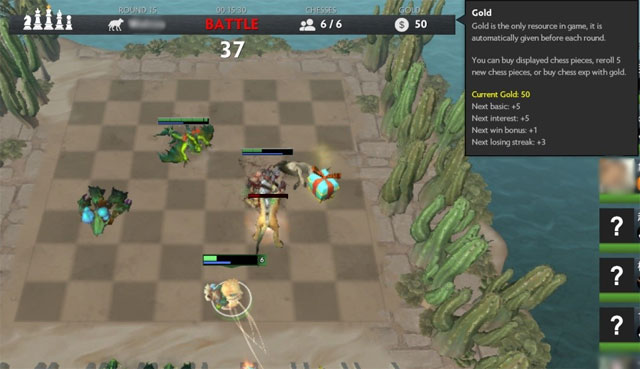
Interest rewards saving at set gold thresholds. When you are just below the next threshold, selling an unused one-cost unit may produce more income than keeping a speculative bench piece. Do not sell a unit that completes an important pair or protects the active synergy merely to gain a small amount of interest.
Check the timing of the calculation in the current version. If a purchase can wait until after income is awarded, waiting preserves interest without changing the next combat. If the purchase strengthens the board immediately, compare the extra income with the health or streak you may lose by delaying it.
Early-game economy: keep options without filling the bench
Cheap units are useful because they let you test several builds, and many can be sold later with little or no loss under the rules of the version you are playing. Keep pairs and flexible frontline units, but clear pieces that no longer fit your likely composition.
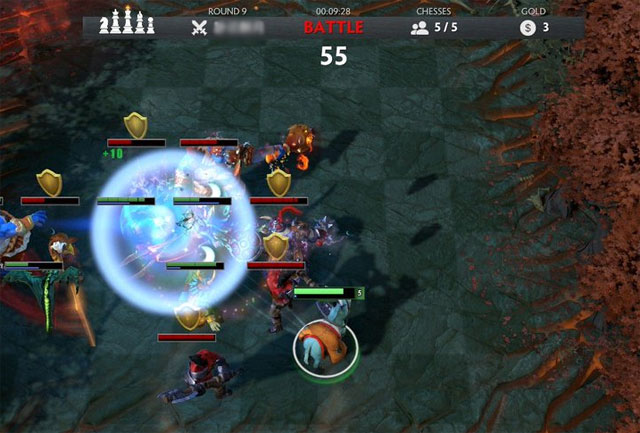
A simple early-round routine is:
- Buy units that improve the active board or create a useful pair.
- Identify one or two possible compositions instead of committing immediately.
- Sell the least useful bench unit when that sale reaches the next interest threshold.
- Avoid repeated rerolls unless several immediate upgrades are available.
When saving is the right choice
Continue saving when your board is winning comfortably, your health is stable and the units you need are easier to find at a later level. A healthy economy gives you flexibility to level and roll during one decisive turn rather than making many small, unfocused purchases.
Saving is also useful when the shop offers no piece that changes the current board. Buying a unit only because it is available can block a bench slot and reduce interest without creating a realistic upgrade path.
When you should spend
Use gold when spending has a defined purpose:
- Level up to add a unit that completes an important synergy.
- Reroll when you hold several pairs and one or more upgrades would stabilize the board.
- Protect a valuable win streak with a clear power increase.
- Stop excessive health loss before the next planned economy milestone.
- Roll down late in the match when saved gold has less value than immediate survival.
Set a spending limit before you begin. For example, decide which savings threshold you will keep unless the shop reveals a major upgrade. This prevents a few unsuccessful rerolls from turning into an uncontrolled roll-down.
Level or reroll?
Level when an extra board slot or access to higher-cost units improves several parts of the composition. Reroll when the current level offers good odds for the units you already hold and finishing those upgrades is more valuable than adding another one-star piece.
Before either action, scout the other boards. If several players are holding the same unit, the shared pool makes that upgrade less likely. Switching to an uncontested option may be cheaper than forcing the original plan.
A practical economy check before each round
- What interest or streak income will I receive?
- Which bench units are essential, and which can be sold?
- Would one purchase change the next fight?
- Am I saving for a specific level, unit or roll-down turn?
- How much health can I afford to lose before I must stabilize?
Gold is valuable because it creates choices. Preserve it while the board is safe, then spend decisively when leveling or upgrading will materially improve your chance of surviving the next stage of the match.
Related Articles
 Dota Auto Chess: How to Build Teams According to Each Stage of the Most Effective7 minutes read
 Dota Auto Chess: Rank the up Line Combo Currently the Most Meta6 minutes read
 Dota Auto Chess: Combine More Than 10 Tactics to Help You Get into the Top 38 minutes read
 Dota Auto Chess: Tips to Help You Win Easily at Rank Queen and Above7 minutes read
 Dota Auto Chess: Synthesize Assassins to Be Strengthened in This Update4 minutes read
 Top the Strongest Generals Dota Auto Chess After the March 5 Update5 minutes read
Reader Comments 0
Sign in with email or Google to join the discussion.