Table of Contents
This guide covers dissecting Apple macintosh computers with practical context and easy-to-follow details. Use it to understand the subject and apply the information confidently.
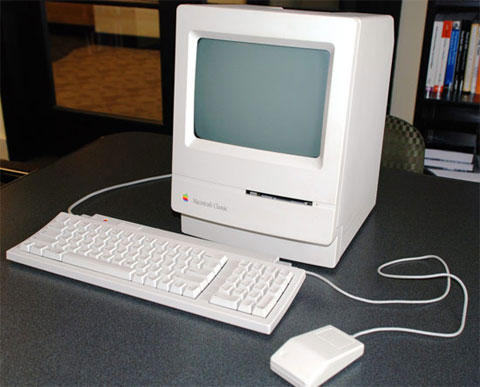 This is a Mac Classic of 1991.
The components in the machine are distributed quite effectively right below the screen but make the appearance is not very eye-catching, making people think of a black and white TV.
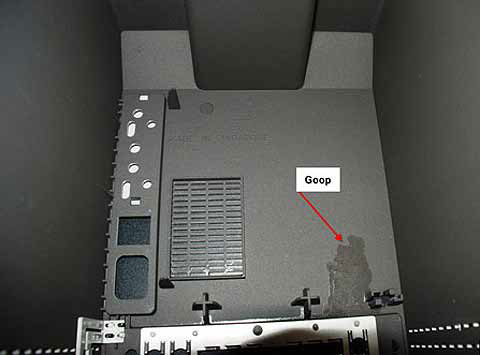 The shell is facing the back of the machine.
 The hard drive is horizontally just below the screen, Molex's power cable.
 RAM is located right next to the hard drive.
 SCSI cables connect to the hard drive.
 Motherboard of Macintosh Classic.
 The upper part of the motherboard, one can see VLSI chips.
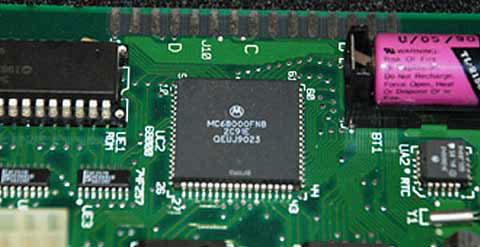 And this is the "brain" of the system.
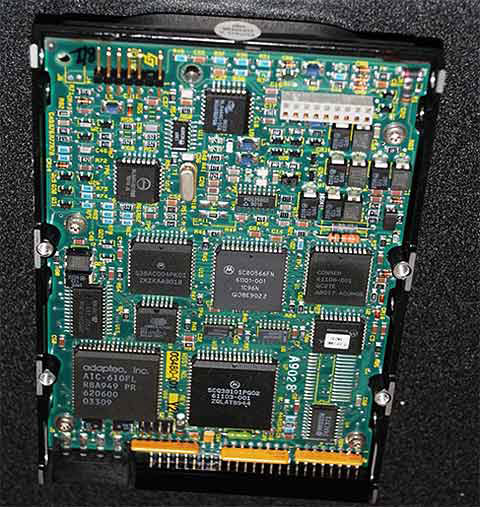 On the hard drive, there are countless chips on the motherboard.
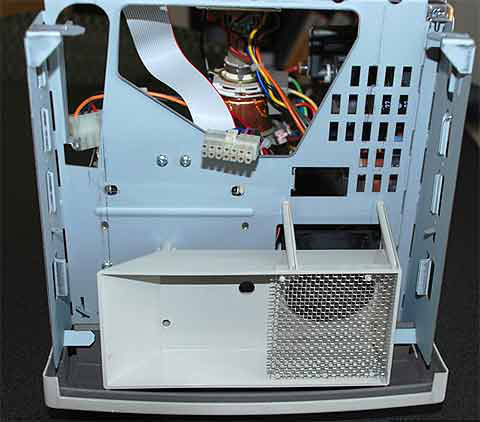 The case has a fan and ventilation system for heat dissipation.
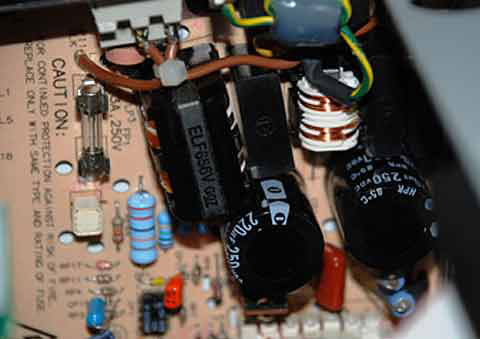 CRT screen "consumes" quite large power. These are capacitors that contain 220 and 250 volt numbers.
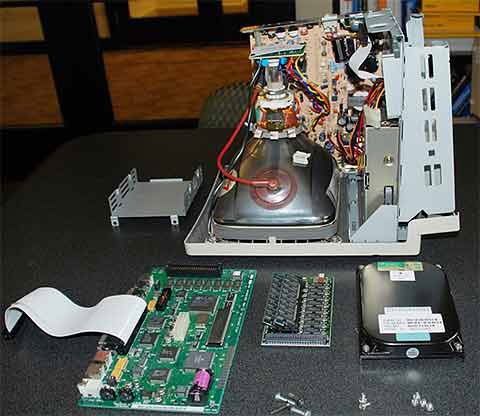 All components in Apple Classic.
FAQ
What should I check before following these steps?
Confirm device and software compatibility, save important data, and make sure you have the required permissions, files, and account access.
Why might the process not work?
Common causes include outdated software, missing permissions, incompatible hardware, an unstable connection, or completing a step in the wrong order.
Can I undo the changes if necessary?
That depends on the tool or setting. Use built-in restore options when available, keep a backup, and record the original configuration first.
Related Articles
 Apple Computers Were Ostracized Because 'Not Green'4 minutes read
 Malicious Code: Add 2 Malicious Samples to Attack the Mac1 minutes read
 10 Things to Note When Connecting Mac to Windows Network10 minutes read
 Application: How to Choose a Paint Program for Your Mac8 minutes read
 Windows: How to Download PC Games on Mac Computers6 minutes read
 How to Access Other Computers on Mac5 minutes read
Reader Comments 0
Sign in with email or Google to join the discussion.