Table of Contents
Directive 8020 is a cinematic science-fiction horror game from Supermassive Games, released on May 12, 2026, for PlayStation 5, Xbox Series X|S, and PC. It combines branching decisions and quick-time events with exploration, stealth, and real-time pursuit. The result is closer to an interactive horror film with survival sequences than a combat-heavy game such as Dead Space.
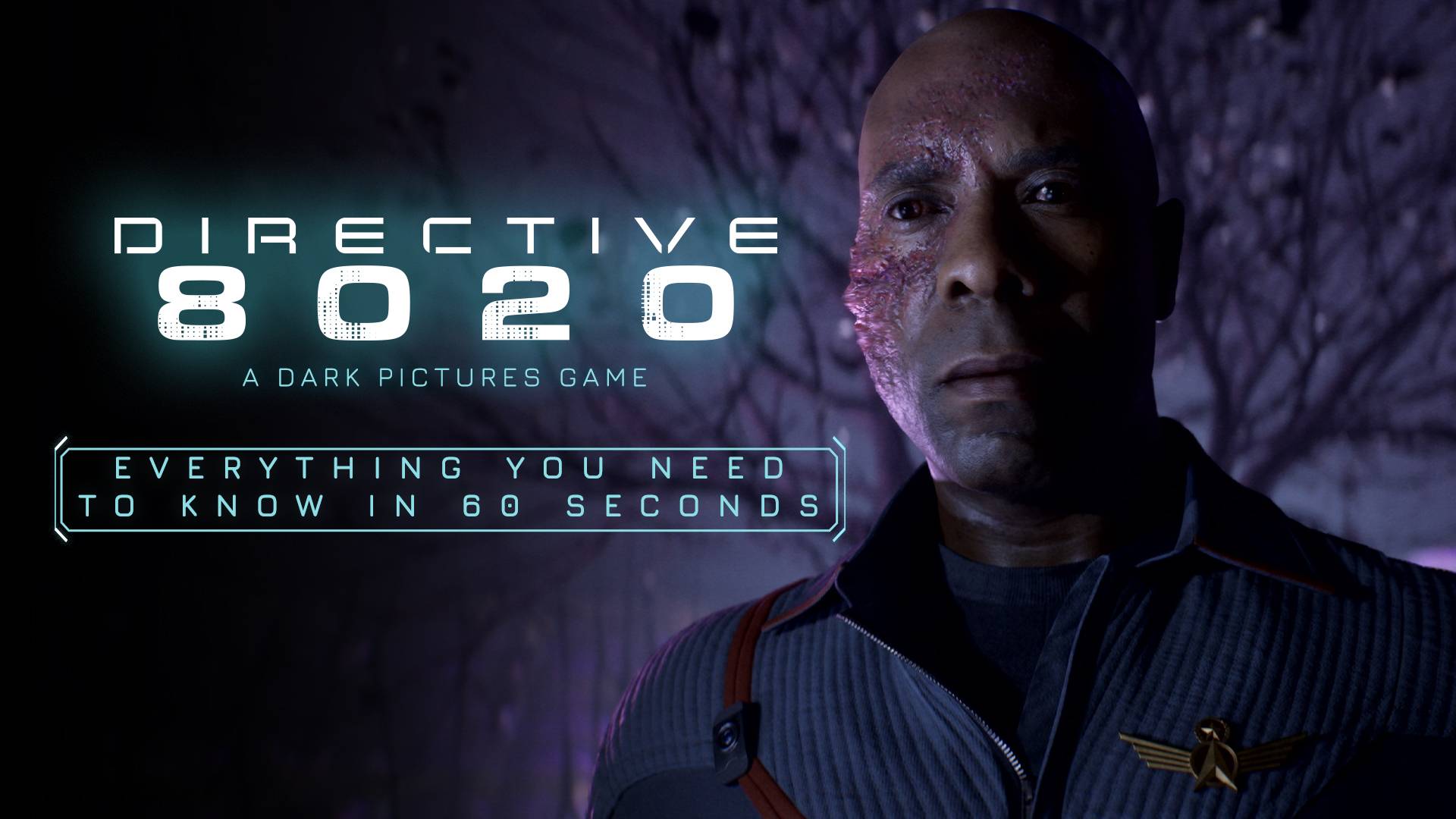
Premise without major spoilers
Earth is failing, and the colony ship Cassiopeia is sent toward Tau Ceti f in search of a future for humanity. Disaster leaves the crew isolated and threatened by an alien organism capable of imitating its prey. The central tension is not only escaping the creature but deciding which crew members can still be trusted.
Choices affect relationships, available paths, and who survives. Some information is deliberately uncertain, so a first playthrough is usually stronger when you avoid guides that reveal identities or outcomes.
How Directive 8020 plays
- Dialogue and decisions: responses alter relationships and can change later options.
- Exploration: terminals, logs, objects, and environmental clues explain events and inform decisions.
- Real-time danger: stealth and chase sequences require movement, observation, and timing.
- Quick-time events: missed inputs can cause injuries, lost opportunities, or deaths.
- Branching story: different choices reveal alternate scenes, paths, and endings.
The survival systems add urgency, but they are intentionally accessible rather than a deep stealth simulation. Players expecting extensive combat, weapons, crafting, or complex enemy AI should set their expectations accordingly.

Turning Points and difficulty choices
The Turning Points story tree records major branches and lets you revisit important decisions. It makes alternate outcomes easier to explore without replaying the entire story from the beginning.
Choose the mode that suits your goal:
- Survivor: live with decisions and mistakes for a more tense first run.
- Explorer: use Turning Points to revisit a branch, rescue a character, or investigate another outcome.
If surprise and consequence are the main appeal, start in Survivor. Use Explorer for a second run or when a failed QTE would otherwise prevent you from enjoying the story. Rewinding is optional, so the feature does not weaken a playthrough unless you choose to use it.
Beginner survival tips
Read the full scene before choosing
A response that sounds kind may be evasive, while an aggressive answer can damage a relationship needed later. Consider what each character knows, what they want, and whether the group needs trust or decisive action at that moment.
Explore before advancing
Check side rooms, terminals, personal quarters, and interactive objects before triggering an obvious story transition. Clues can provide context for later choices, and some areas may become inaccessible after the scene moves on.
Do not treat suspicion as proof
The game is designed to make ordinary behavior look threatening. Track inconsistencies and evidence rather than acting on a single odd expression or line. Rash accusations can create a new problem even when the underlying suspicion is reasonable.
Stay calm during QTEs
Watch the required icon and timing window instead of pressing buttons pre-emptively. If accessibility or reaction time is a concern, review the input, timing, and hold-versus-tap options before a tense sequence.
Use sound and cover during stealth
Pause to observe patrol behavior, plan the next safe position, and avoid unnecessary movement. Headphones help locate threats, but keep the volume at a safe level. The goal is usually to evade rather than confront.
Accept imperfect outcomes
A character death can unlock scenes and emotional consequences that are part of the authored story. Unless you are pursuing a specific achievement or outcome, completing the branch is often more satisfying than immediately correcting every mistake.
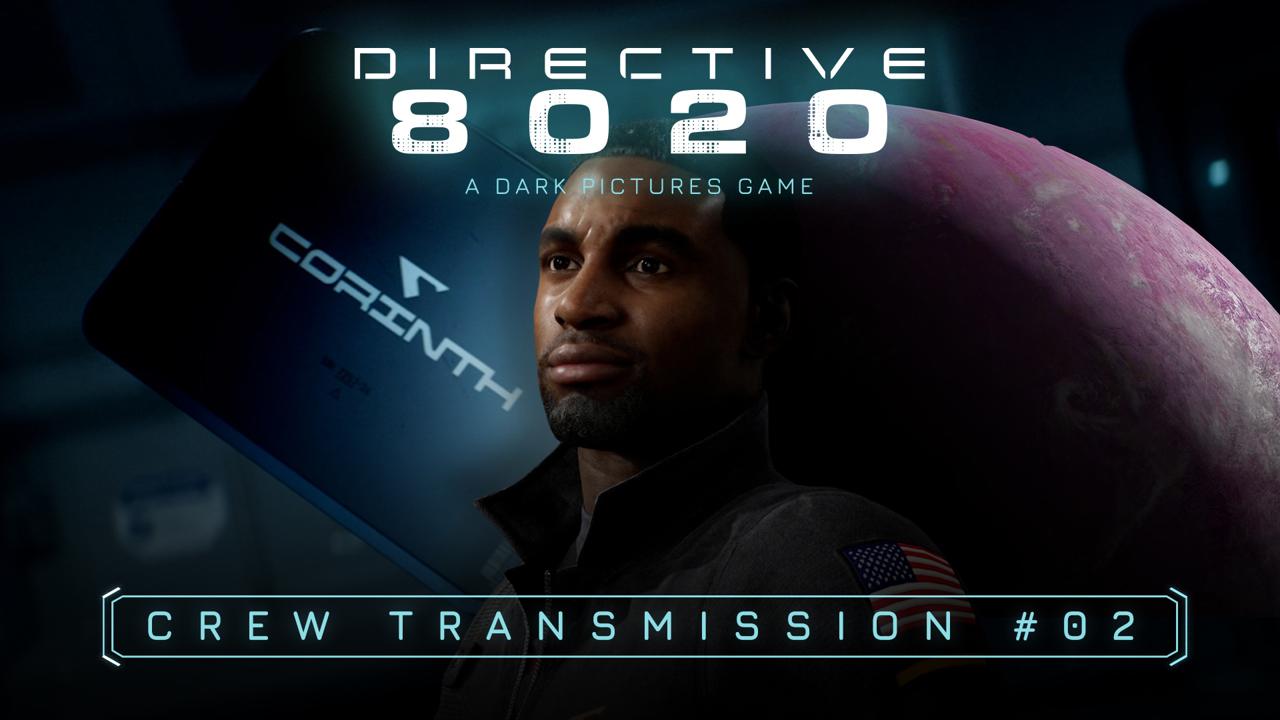
Local co-op and Movie Night
Movie Night supports up to five people in local shared-screen play. Players assign crew members and pass the controller when control changes, turning decisions and consequences into a group experience. The PC store listing currently identifies shared or split-screen co-op; do not assume the game includes online story co-op unless the platform page for your version explicitly lists it.
For a smoother group session, assign characters before starting, agree whether the group or the active player makes decisions, and avoid looking up outcomes between scenes.
What works well
- The isolated spaceship and imitation threat support the story’s trust mechanics.
- Performance capture, lighting, and cinematic framing create a strong horror atmosphere.
- Branching choices encourage replay without requiring identical early chapters each time.
- Turning Points makes alternate paths more accessible.
- Movie Night is well suited to a group that enjoys debating risky decisions.
Where it may disappoint
- Stealth and exploration are less mechanically deep than a dedicated survival-horror game.
- The pace includes long conversations and slow investigation between threats.
- Turning Points can reduce tension if used after every unfavorable result.
- Players who want frequent combat, character builds, or weapon upgrades will find little of that here.
Is Directive 8020 worth buying?
It is a good choice for players who enjoyed Until Dawn, The Quarry, or earlier Dark Pictures games and want a more active sci-fi setting. It also works well as a local horror movie night. It is less suitable for someone looking primarily for shooting, complex stealth, or online co-op.
One playthrough cannot show every route, so value depends partly on whether you enjoy replaying choices or sharing the game with a group. Check the current price, accessibility options, and platform performance before buying. The official game page confirms platforms and premise, while the Steam listing shows current PC features and requirements.
Related Articles
 How to Play Map 8x8 in the Rules of Survival Game7 minutes read
 Tips for Playing Rules of Survival to Stand TOP9 minutes read
 Changing the Language of Rules of Survival to Vietnamese5 minutes read
 How to Play the Rules of Survival Game on the Computer8 minutes read
 Tips for Playing Rules of Survival for Newbies Should Not Be Ignored6 minutes read
 How to Play Rules of Survival When the Ball Is Narrowed into the Sea6 minutes read
Reader Comments 0
Sign in with email or Google to join the discussion.