Table of Contents
For a reliable laptop-to-TV picture, connect an HDMI cable and select that HDMI input on the TV. For a cable-free display, use Miracast if both devices support it, or cast from Chrome to a TV or receiver with Google Cast. Bluetooth pairs audio or input devices; a TV’s ordinary USB port generally reads media storage and does not act as a laptop video input.
Connect with HDMI
- Check that the laptop has an HDMI output and the TV has an available HDMI input. If the laptop has no HDMI port, use a compatible video adapter. A USB-C adapter works for video only when that specific laptop port supports DisplayPort Alt Mode or another supported display mode; check the laptop specifications.
- Connect the cable to both devices and turn on the TV.
- Use the TV remote’s Input or Source control to select the matching HDMI port.
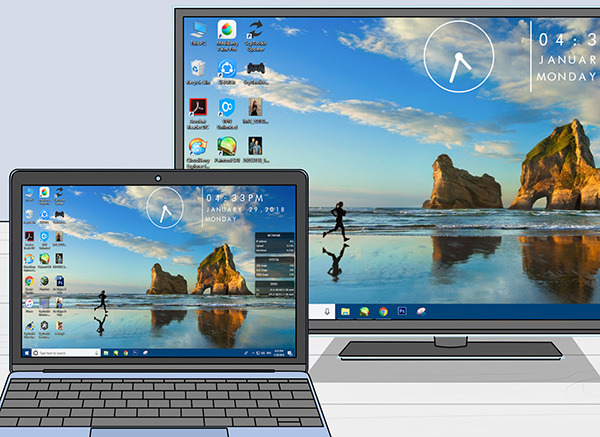
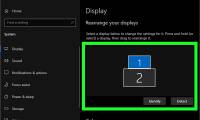
- On a Windows laptop, press Windows + P and choose Duplicate, Extend, or Second screen only. Choose Duplicate to show the same image on both screens.
- If needed, open Windows display settings to adjust resolution, scaling, or which screen is primary. Select the TV as the sound output if audio still comes from the laptop.
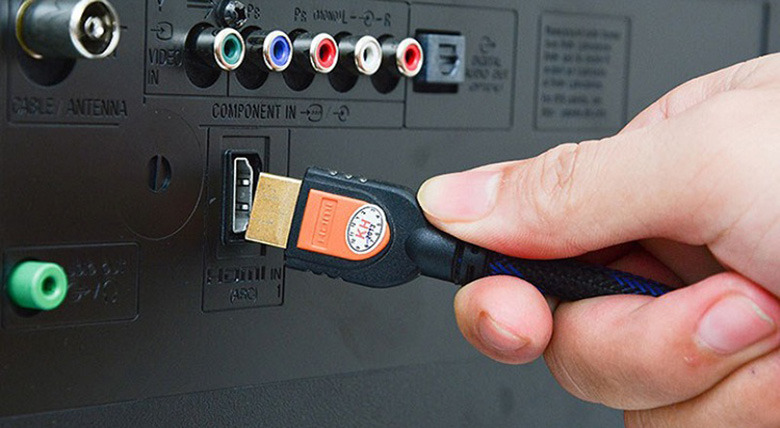
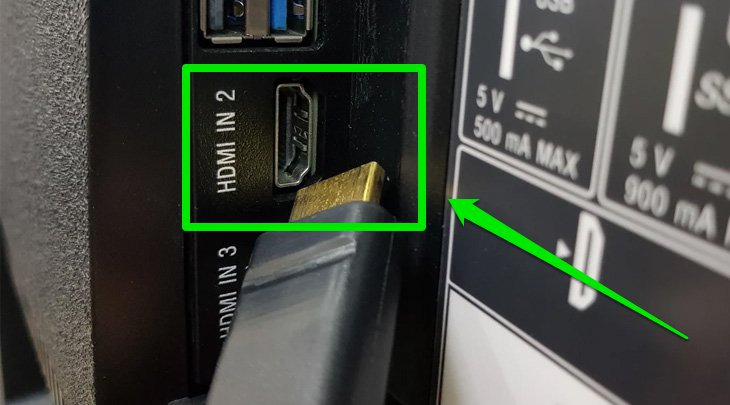
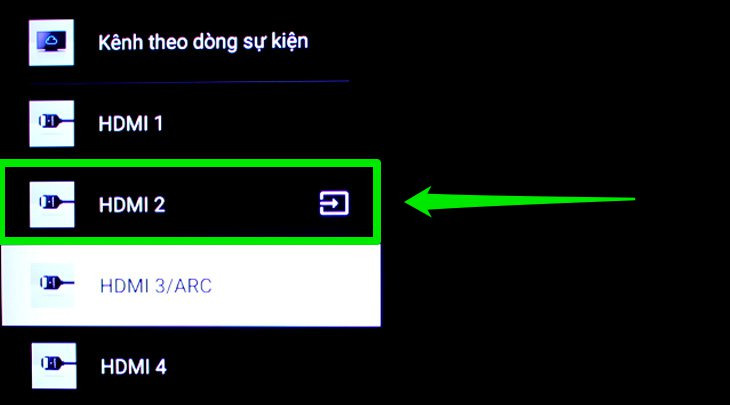
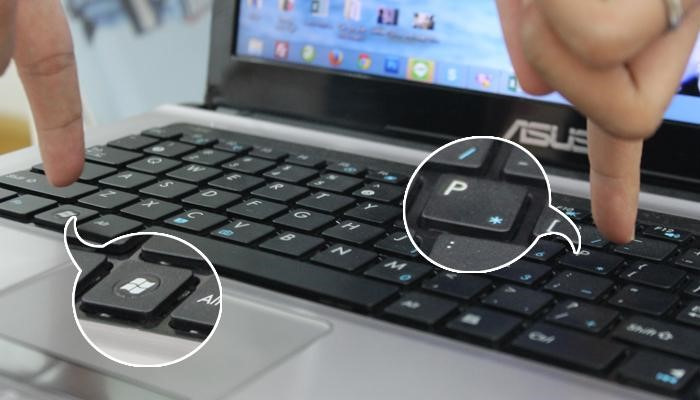
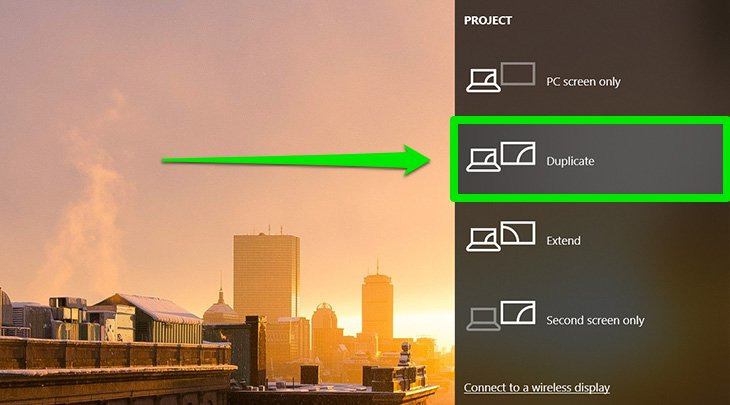
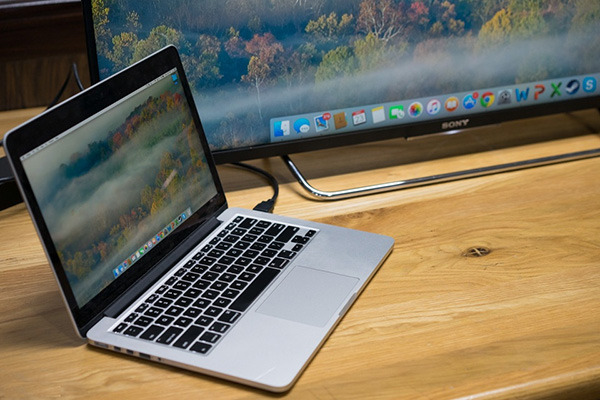
If there is no picture, confirm the TV input, reconnect the cable, and try another supported port or cable. Press Windows + P and select a display mode. For USB-C adapters, verify the laptop port supports video output; a connector’s shape alone does not guarantee display support.
Connect wirelessly with Miracast
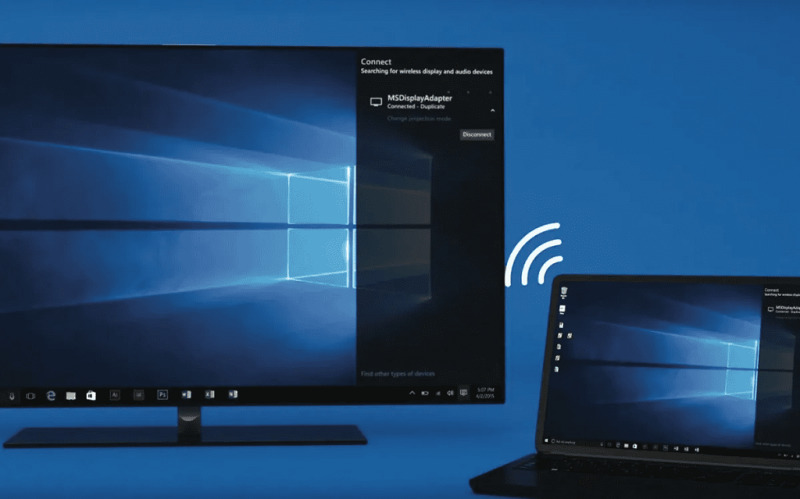
Miracast is a wireless display standard supported by some Windows PCs and TVs. Compatibility is required on both ends; having Wi-Fi or Bluetooth alone does not guarantee Miracast support.
- On the TV, enable its screen-mirroring, wireless-display, or Miracast mode. The menu name varies by manufacturer.
- On Windows, press Windows + K and select the TV from the available displays. Follow any prompt shown on either screen.
- Use Windows + P to change between Duplicate and Extend. Disconnect from the same Cast/Connect panel when finished.
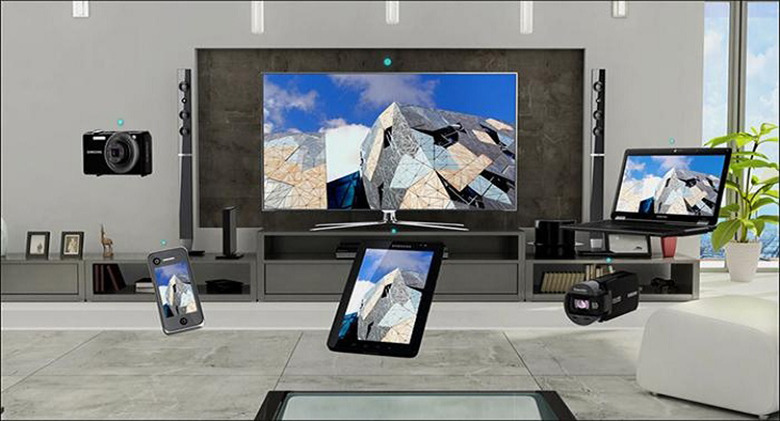
Microsoft’s wireless display guide explains Miracast projection. Some older TVs expose a manufacturer-specific Wi-Fi Direct or screen-mirroring menu; the original screenshots below show examples, not universal setup steps. Wi-Fi Direct does not by itself mean the laptop loses internet access.
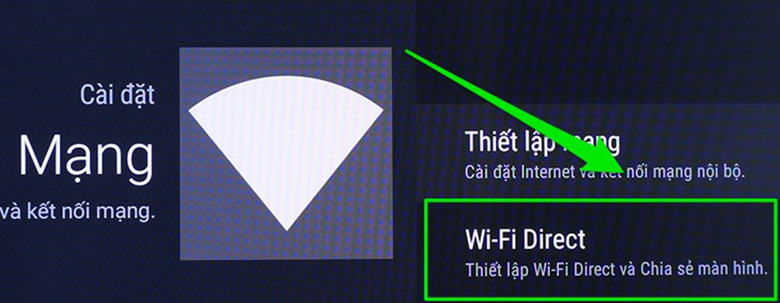
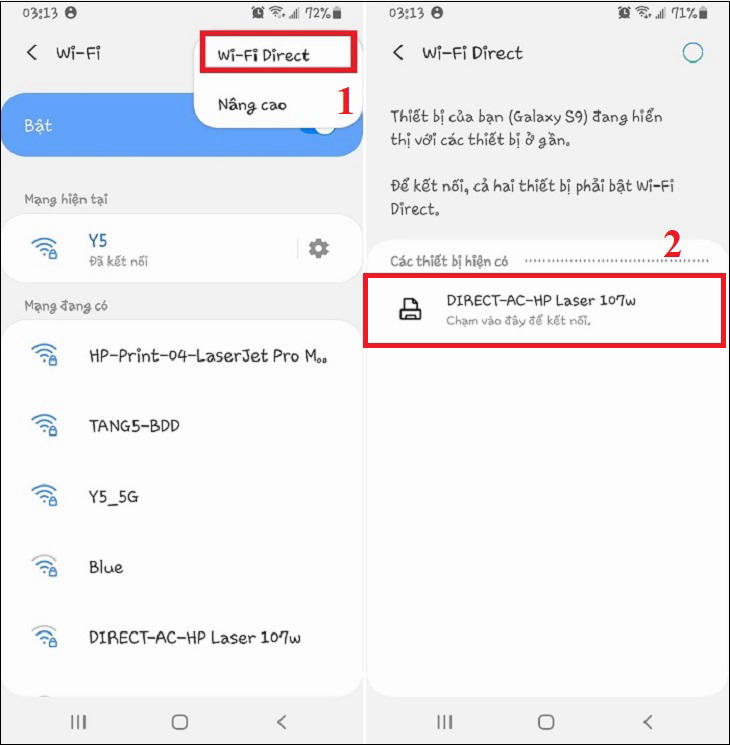
Cast a Chrome tab with Google Cast
If the TV, Chromecast, or Google TV Streamer supports Google Cast, connect the laptop and receiver to the same Wi-Fi network. In Chrome, open the page you want to show, open the browser menu, choose Cast, save, and share → Cast, then select the receiver. Use a service’s own Cast button when available; casting a browser tab and casting supported media are different modes. Follow Google’s Chrome casting instructions.
What Bluetooth and USB can—and cannot—do
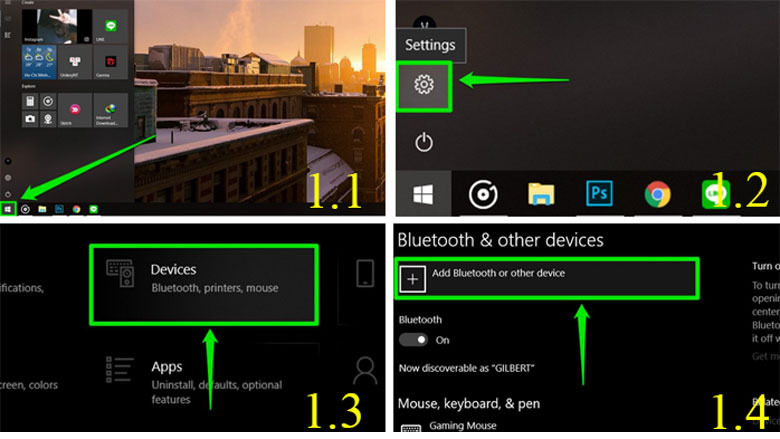
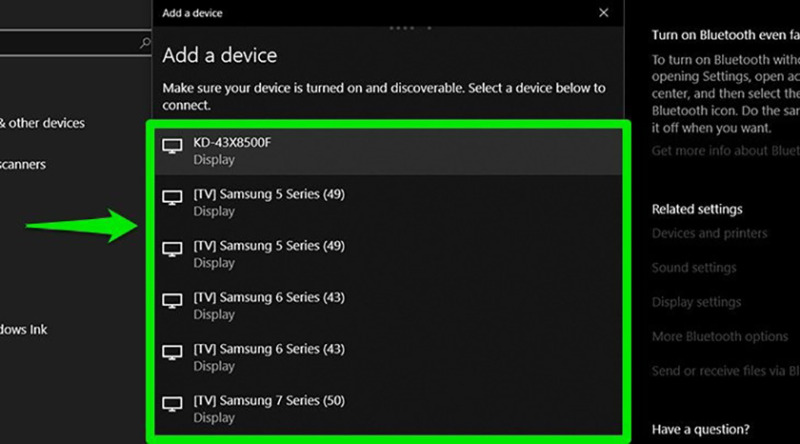
Bluetooth is useful for connecting a TV as an audio device or pairing a keyboard or remote, but Bluetooth pairing does not mirror a laptop’s screen. The following original Bluetooth screenshots are retained as historical illustrations; they do not show a method for sending laptop video to a TV.
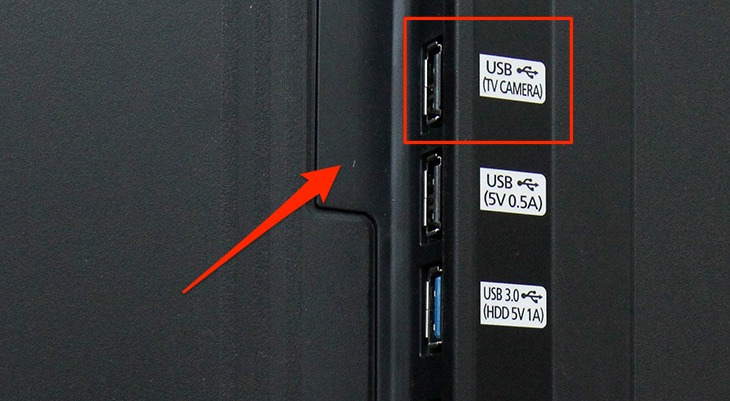
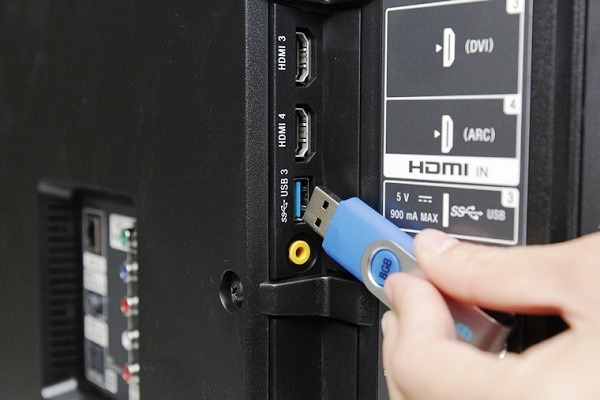
A TV’s USB-A port is commonly intended for supported media files on a USB drive, service, or power—not as a video input for a laptop. USB-C can carry video only when the laptop port and adapter support a display protocol. The original USB images are retained below for context, but plugging an ordinary USB cable into a TV will not generally mirror the laptop screen.
If the wireless TV does not appear
Confirm that the TV is in the right wireless-display mode and that both devices support the same casting standard. For Miracast, press Windows + K and check Microsoft’s compatibility guidance; for Google Cast, confirm that the receiver and laptop are on the same Wi-Fi network. Restarting the TV and laptop can help clear a temporary connection issue. If your equipment does not share a supported wireless standard, use HDMI or a compatible adapter.


Reader Comments 0
Sign in with email or Google to join the discussion.